Films
1 film
About Galina Iniutina
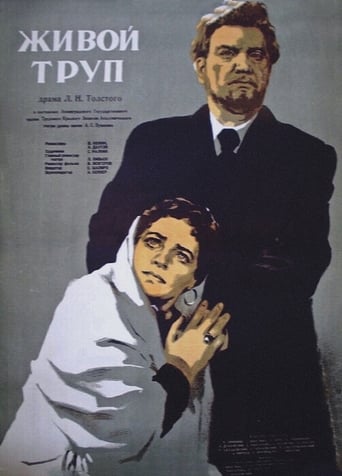
Made her mark in Russian cinema during the early 1950s, though her career appears to have been brief but significant. She is primarily known for her role in the 1952 Soviet film adaptation of Leo Tolstoy's 'The Living Corpse,' directed by Vladimir Vengerov. This film was one of the notable literary adaptations of its time, bringing Tolstoy's complex dramatic work to Soviet audiences. Iniutina's performance in this production demonstrated her ability to handle the emotional depth required for classical Russian literature adaptations. While her filmography appears limited to this single credited role, her contribution to this important adaptation places her within the tradition of Soviet actors who specialized in bringing literary classics to the screen. Her work represents the post-war period of Soviet cinema when there was renewed emphasis on adapting Russian literary masterpieces for film audiences.
The Craft
Milestones
- Appeared in the 1952 Soviet film adaptation of Tolstoy's 'The Living Corpse'
Best Known For
Iconic Roles
Must-See Films
Working Relationships
Worked Often With
Studios
Why They Matter
Impact on Culture
Galina Iniutina's contribution to Soviet cinema, while brief, is significant through her participation in the adaptation of one of Leo Tolstoy's most important dramatic works. 'The Living Corpse' was part of the Soviet tradition of bringing classical Russian literature to the screen, serving both artistic and cultural purposes. These adaptations helped preserve and popularize Russia's literary heritage during the Soviet period, making Tolstoy's complex themes accessible to cinema audiences. Her work represents the generation of actors who helped bridge the gap between classical theater traditions and the emerging medium of film in post-war Soviet cinema.
Lasting Legacy
Galina Iniutina's legacy is preserved through her role in 'The Living Corpse,' which stands as an important example of 1950s Soviet literary adaptations. While her career may have been brief, her contribution to this significant Tolstoy adaptation ensures her place in the history of Russian cinema. The film itself remains a valuable document of how Soviet filmmakers approached classical literature during the Stalinist and post-Stalinist periods, and Iniutina's performance is part of that historical record.
Who They Inspired
As a supporting actress with a limited filmography, specific information about her influence on other actors or directors is not well-documented. However, her participation in literary adaptations contributed to the broader tradition of Soviet actors specializing in classical material, which influenced subsequent generations of Russian performers.
Off Screen
Limited information is available about Galina Iniutina's personal life, which is not uncommon for supporting actors from the Soviet era of the 1950s, especially those with brief film careers.
Did You Know?
- Her only credited film role was in the 1952 adaptation of Tolstoy's 'The Living Corpse'
- The film was produced by Lenfilm, one of the major Soviet film studios
- Her role came during a period when Soviet cinema emphasized adaptations of classic Russian literature
- The film 'The Living Corpse' was based on Tolstoy's play written in 1911
- Director Vladimir Vengerov was known for his literary adaptations
- The film represents post-war Soviet cinema's approach to classical material
Frequently Asked Questions
Who was Galina Iniutina?
Soviet actress active in the early 1950s, primarily known for her role in the 1952 film adaptation of Leo Tolstoy's 'The Living Corpse.' Her career appears to have been brief but significant within the context of Soviet literary adaptations.
What films is Galina Iniutina best known for?
Titles linked here include The Living Corpse (1952).
When was Galina Iniutina born and when did she die?
Specific birth and death dates for Galina Iniutina are not well-documented in available sources, which is not uncommon for supporting Soviet actors from this period. She was active during the early 1950s Soviet cinema era.
What awards did Galina Iniutina win?
There are no documented awards or nominations for Galina Iniutina in available sources. Her recognition comes primarily from her participation in the important Tolstoy adaptation rather than formal accolades.
What was Galina Iniutina's acting style?
While specific details about her acting technique are not well-documented, her role in a literary adaptation suggests she was likely trained in the classical Russian acting tradition, which emphasized emotional depth and psychological realism in bringing literary characters to life on screen.