Films
1 film
About Lu Luming
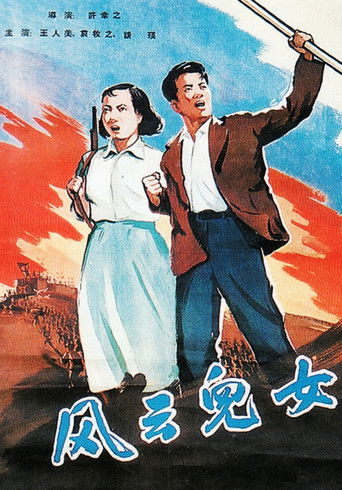
Lu Luming is credited on a single production — Children of Troubled Times (1935). which was an important work in the development of Chinese national cinema. This film was particularly notable for featuring what would later become the Chinese national anthem, 'March of the Volunteers.' While details about Lu Luming's broader career remain scarce, his participation in this pivotal film places him within the context of China's emerging film industry during a period of significant political and social upheaval. The film itself was produced during a time when Chinese cinema was beginning to address national themes and contemporary social issues, moving away from the more traditional stories that had dominated earlier periods.
The Craft
Milestones
- Appeared in 'Children of Troubled Times' (1935)
Best Known For
Must-See Films
Why They Matter
Impact on Culture
Lu Luming's contribution to cinema, while limited to a single known film, places him within the important context of early Chinese national cinema. 'Children of Troubled Times' was a significant film that helped establish the direction of Chinese cinema during the 1930s, addressing contemporary social and political themes. The film's inclusion of what would become China's national anthem makes it historically significant, and all who participated in its creation, including Lu Luming, are part of this important cultural legacy.
Lasting Legacy
Lu Luming represents the many actors from early Chinese cinema whose contributions have been largely undocumented but who nonetheless participated in creating foundational works of national cinema. His appearance in 'Children of Troubled Times' connects him to.
Off Screen
Very little is documented about Lu Luming's personal life, which is not uncommon for actors from early Chinese cinema, particularly those who had brief careers or appeared in supporting roles.
Did You Know?
- Appeared in 'Children of Troubled Times' (1935), which featured what would later become China's national anthem
- The film was also known by its Chinese title 'Fengyun ernü'
- 1935 was a pivotal year for Chinese cinema, with many films addressing national themes
- The film was directed by Xu Xinfu and produced by Diantong Film Company
- The song 'March of the Volunteers' from the film became China's national anthem in 1949
- Early Chinese cinema records from this period are often incomplete, making detailed information about supporting actors scarce
Frequently Asked Questions
Who was Lu Luming?
Chinese with credits in this catalog.' He appears to have had a very brief film career with only this one known credit, which was not uncommon for actors in early Chinese cinema.
What films is Lu Luming best known for?
Titles linked here include Children of Troubled Times (1935).
When was Lu Luming born and when did he die?
Specific birth and death dates for Lu Luming are not documented in available historical records, which is common for many actors from early Chinese cinema, particularly those with brief careers.
What was the significance of 'Children of Troubled Times'?
The film was historically significant as it featured 'March of the Volunteers,' which would later become China's national anthem. It was also important for addressing contemporary social and political themes during a crucial period in Chinese history.
Why is information about Lu Luming so limited?
Information about many early Chinese cinema actors is limited due to incomplete historical records, the destruction of archives during wartime, and the fact that supporting actors from this period were often not extensively documented in film histories.