Films
1 film
About Xuan Jinglin
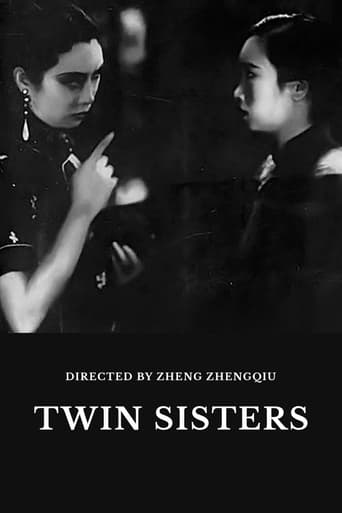
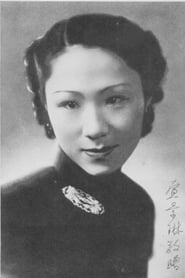
Early Chinese film actress who emerged during the transitional period from silent to sound cinema in China. She is primarily known for her role in the 1934 classic 'Twin Sisters' (Zimei Hua), films of early Chinese cinema directed by Zheng Junli. Her performance in this film, which explored themes of family separation and social change during China's turbulent 1930s, demonstrated the emotional depth required in the new era of sound film. While her film career appears to have been brief, concentrated around 1934, her contribution to this landmark production secured her place in Chinese film history. The film itself was part of the left-wing cinema movement that addressed social issues and national consciousness during a period of political upheaval in China. Xuan Jinglin's work represents the emerging generation of Chinese actresses who helped establish the dramatic conventions of Chinese sound cinema.
The Craft
On Screen
Xuan Jinglin's acting style in 'Twin Sisters' reflected the dramatic conventions of early Chinese sound cinema, emphasizing emotional expressiveness and naturalistic delivery that was essential for the new medium. Her performance demonstrated the shift away from the exaggerated gestures of silent film toward more nuanced, dialogue-driven acting that characterized Chinese cinema's sound era.
Milestones
- Starred in 'Twin Sisters' (1934),
- Participated in the left-wing cinema movement of 1930s China
- Contributed to the transition from silent to sound cinema in China
Best Known For
Iconic Roles
Must-See Films
Accolades
Special Recognition
- Recognized as part of the cast of 'Twin Sisters', which is preserved as an important work of Chinese cinema history
Working Relationships
Worked Often With
Studios
Why They Matter
Impact on Culture
Xuan Jinglin's contribution to 'Twin Sisters' places her within the important left-wing cinema movement of 1930s China, which used film as a medium for social commentary and national consciousness. The film addressed themes of family separation, social inequality, and the changing role of women in Chinese society during a period of significant political and social transformation. Her participation in this production connects her to a crucial moment in Chinese film history when cinema began to engage directly with contemporary social issues.
Lasting Legacy
Though her film career was brief, Xuan Jinglin's legacy is preserved through her role in 'Twin Sisters', which continues to be studied by film historians as a masterpiece of early Chinese cinema. The film remains an important artifact for understanding the development of Chinese sound cinema and the social concerns of 1930s China. Her performance contributes to the film's enduring power as a document of its time and a milestone in Chinese cinematic art.
Who They Inspired
As an early participant in Chinese sound cinema, Xuan Jinglin was part of the generation that helped establish acting conventions and dramatic techniques that would influence subsequent Chinese film performers. The naturalistic style required for sound film that she demonstrated in 'Twin Sisters' represented the direction Chinese cinema would take in the following decades.
Off Screen
Very little documented information is available about Xuan Jinglin's personal life, which was not uncommon for supporting actors in early Chinese cinema. Like many actors of her era, detailed biographical records were not systematically preserved, especially for those who had brief film careers.
Did You Know?
- 'Twin Sisters' was
- The film was directed by Zheng Junli, who would become one of China's most important directors
- The movie's themes of family separation resonated strongly with Chinese audiences during the 1930s
- Xuan Jinglin's career appears to have been concentrated entirely around 1934
- The film is preserved as an important work in Chinese film archives
- The movie was part of the left-wing cinema movement that addressed social issues in China
- The film's success helped establish the Lianhua Film Company as a major player in Chinese cinema
Frequently Asked Questions
Who was Xuan Jinglin?
Early Chinese film actress active in 1934, best known for her role in the classic film 'Twin Sisters' (Zimei Hua),.
What films is Xuan Jinglin best known for?
Titles linked here include Twin Sisters (1934).
When was Xuan Jinglin born and when did she die?
Unfortunately, specific birth and death dates for Xuan Jinglin are not documented in available historical records, which was common for many supporting actors in early Chinese cinema.
What awards did Xuan Jinglin win?
No specific awards for Xuan Jinglin are documented, as formal award systems for Chinese cinema were not well-established during her brief career in 1934.
What was Xuan Jinglin's acting style?
Xuan Jinglin's acting style reflected the transition from silent to sound cinema, emphasizing naturalistic delivery and emotional expressiveness appropriate for the new medium of sound film in 1930s China.