Films
1 film
About Juan Chacón
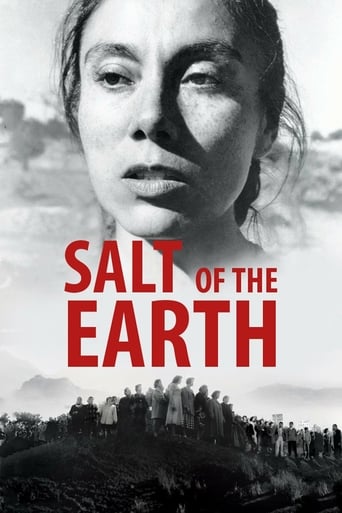
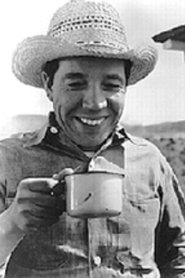
Mexican-American zinc miner who became an unlikely film star when he was cast as the lead in the controversial 1954 film 'Salt of the Earth.' Born in Mexico, Chacón immigrated to the United States and worked for years in the zinc mines of Grant County, New Mexico, where he became involved in labor organizing. When blacklisted filmmaker Herbert Biberman sought authentic voices for his independent film about the 1951 Empire Zinc strike, he discovered Chacón among the striking miners. Despite having no previous acting experience, Chacón delivered a powerful and naturalistic performance as Ramón Quintero, the film's protagonist. His portrayal brought unprecedented authenticity to the screen, drawing from his real experiences as a working-class immigrant and union activist. After the film's completion, Chacón returned to his work as a miner, though his performance would later be recognized as a landmark in American cinema. His single film role made him an enduring symbol of working-class representation and the power of authentic storytelling in film.
The Craft
On Screen
Naturalistic and authentic, drawing directly from real-life experiences as a miner and labor organizer. His performance was characterized by its raw emotional honesty and lack of theatrical artifice, bringing unprecedented realism to the screen. Chacón's acting style reflected the neorealist approach of the film, emphasizing truth over technique and personal experience over professional training.
Milestones
- Lead role in 'Salt of the Earth' (1954)
- First non-professional actor to star in a major American independent film
- Representation of Mexican-American laborers in cinema
- Authentic portrayal of working-class struggles during the McCarthy era
Best Known For
Iconic Roles
Must-See Films
Accolades
Special Recognition
- Recognized as a figure in Latin American representation in American cinema
- Honored by labor organizations for his contribution to workers' rights through film
Working Relationships
Worked Often With
Studios
Why They Matter
Impact on Culture
Juan Chacón's performance in 'Salt of the Earth' represented a watershed moment in American cinema, bringing authentic Mexican-American voices to the screen during an era of widespread stereotyping. His naturalistic acting style and genuine connection to the material challenged Hollywood's conventions and demonstrated the power of casting real people to tell their own stories. The film itself, though blacklisted and suppressed during the McCarthy era, became an underground classic and influenced generations of independent filmmakers and social activists. Chacón's portrayal helped humanize the labor movement and brought attention to the struggles of immigrant workers, contributing to greater awareness of civil rights and labor issues in 1950s America.
Lasting Legacy
Juan Chacón's legacy endures as proof of the power of authentic representation in cinema. His single film performance has been studied and celebrated by film scholars, labor historians, and Latino cultural organizations for decades. 'Salt of the Earth' was selected for preservation in the National Film Registry in 1992, recognizing its cultural, historical, and aesthetic significance. Chacón's work paved the way for greater diversity in American cinema and demonstrated that compelling storytelling doesn't require professional training when it comes from lived experience. His contribution to film history continues to inspire discussions about representation, labor rights, and the role of art in social change.
Who They Inspired
Chacón's groundbreaking performance influenced subsequent generations of filmmakers interested in social realism and authentic casting. His work prefigured later movements in cinema that emphasized non-professional actors and real locations, from Italian neorealism to American independent films of the 1960s and beyond. Latino actors and filmmakers have cited his performance as an early example of authentic Hispanic representation in American media. Labor activists and documentarians have also drawn inspiration from his ability to convey the dignity and humanity of working-class people through film.
Off Screen
Family man and dedicated labor activist who spent most of his life working in the zinc mines of New Mexico. He was married and had children, balancing his family life with his demanding work as a miner and his involvement in union activities. His participation in the 1951 Empire Zinc strike, which formed the basis of 'Salt of the Earth,' reflected his deep commitment to workers' rights and social justice. Despite the controversy surrounding the film, Chacón remained proud of his contribution and continued his activism throughout his life.
Education
Limited formal education; primarily educated through life experience and work in the mines
Family
- Virginia Chacón
Did You Know?
- Juan Chacón was not a professional actor but a real zinc miner when cast in 'Salt of the Earth'
- The film was blacklisted during the McCarthy era for its pro-labor stance and alleged communist sympathies
- Chacón and many other participants in the film faced blacklisting and harassment from government authorities
- The film was shot on location in Grant County, New Mexico, using actual miners and their families as cast members
- Chacón's performance was praised for its naturalism despite his lack of acting experience
- The film was one of the first to address issues of gender equality in labor disputes
- Chacón continued working as a miner after the film was completed
- The film was not shown widely in the United States until years after its release due to political pressure
- Chacón's portrayal is considered
- The film's production was investigated by the House Un-American Activities Committee
In Their Own Words
We want the same pay for the same work, whether we're men or women
It's not just about money, it's about dignity
When we stand together, they can't break us
Frequently Asked Questions
Who was Juan Chacón?
Mexican-American zinc miner who became an with credits in this catalog.' Despite having no previous acting experience, he delivered a powerful performance as Ramón Quintero, drawing from his real experiences as a laborer and union activist.
What films is Juan Chacón best known for?
Titles linked here include Salt of the Earth (1954).
When was Juan Chacón born and when did he die?
Born 1912; died 1994.
What awards did Juan Chacón win?
Juan Chacón did not receive formal acting awards for his performance, but his work in 'Salt of the Earth' has been recognized by film historians, labor organizations, and Latino cultural groups as a achievement in authentic representation and social cinema.
What was Juan Chacón's acting style?
Chacón's acting style was completely naturalistic and authentic, drawing directly from his real-life experiences as a miner and labor activist. His performance was characterized by its raw honesty and lack of theatrical artifice, bringing unprecedented realism to the screen and influencing later approaches to non-professional casting in film.