Films
1 film
About Henrietta Williams
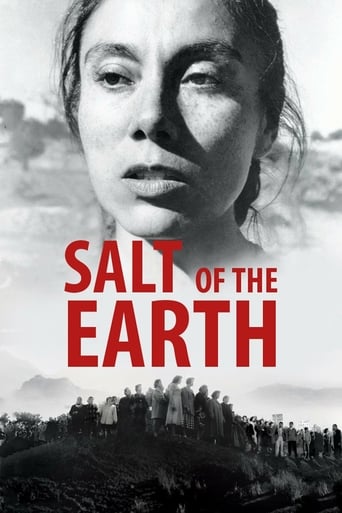
Made her sole film appearance in the 1954 film 'Salt of the Earth. ' As a member of the actual mining community in Grant County, New Mexico, she was cast by director Herbert J. Biberman to play Mrs. Ramon Quintero, bringing authentic lived experience to her performance. Her participation in this production was particularly significant given that the film was created by blacklisted Hollywood filmmakers during the McCarthy era, using real miners and their families to tell the story of the 1950 Empire Zinc Strike. Williams and other local community members were chosen for their genuine connection to the material, though this would be her only credited film role. The film itself faced distribution challenges and was virtually banned in the United States during the 1950s due to its controversial subject matter and the political persecution of its creators. Despite her brief moment in cinema history, Williams contributed to what would become recognized as socially conscious American films of the 1950s, later celebrated for its feminist and labor themes.
The Craft
On Screen
Naturalistic, authentic, non-professional performance style rooted in real-life experience as a mining community member
Milestones
- Cast as Mrs. Ramon Quintero in Salt of the Earth (1954)
- Participated in
- Represented authentic mining community experience in cinema
Best Known For
Iconic Roles
Must-See Films
Working Relationships
Worked Often With
Studios
Why They Matter
Impact on Culture
Henrietta Williams' contribution to 'Salt of the Earth' represents an important moment in cinema history where authentic community voices were brought to the screen. As a non-professional actor from the actual mining community, she helped create a film that was groundbreaking in its approach to social issues, labor rights, and feminist themes. The film's use of real community members rather than professional actors was revolutionary for its time and influenced later documentary and neorealist filmmaking approaches in American cinema. Despite being blacklisted and virtually suppressed in the United States during the 1950s, the film later gained recognition as a masterpiece of socially conscious cinema, with Williams' authentic performance contributing to its lasting impact and credibility.
Lasting Legacy
Henrietta Williams' legacy is tied to her participation in what would become recognized as. Though she appeared in only one film, her contribution as a non-professional actor representing authentic community experience helped create a work that transcended its time to become a touchstone for labor cinema, feminist film studies, and discussions about political persecution in Hollywood. The film 'Salt of the Earth' was selected for preservation in the National Film Registry in 1992, ensuring that Williams' contribution to cinema history will be preserved for future generations. Her performance stands as an example of how authentic community voices can create more powerful and truthful storytelling in cinema.
Who They Inspired
As a non-professional actor who appeared in only one film, Henrietta Williams' direct influence on other performers is difficult to trace. However, her participation in 'Salt of the Earth' contributed to the film's approach that would later influence filmmakers seeking to incorporate authentic community voices in their work. The film's use of non-professional actors from the actual community being portrayed became a model for later documentary-style and socially conscious filmmaking, particularly in films addressing labor and social justice issues.
Off Screen
Member of the mining community in Grant County, New Mexico, during the time of the Empire Zinc Strike. Like many of her fellow community members who appeared in the film, she was not a professional actress but was chosen for her authentic connection to the story being told. Little is documented about her personal life beyond her participation in this historically significant film project.
Did You Know?
- Henrietta Williams was not a professional actress but a member of the actual mining community depicted in the film
- She played Mrs. Ramon Quintero, a character representing the wives of striking miners
- The film 'Salt of the Earth' was blacklisted and virtually banned in the United States during the 1950s
- The film was created by Hollywood professionals who were blacklisted during the McCarthy era
- Williams and other community members were paid minimal wages for their participation in the film
- The film was shot on location in Grant County, New Mexico, where Williams and other cast members actually lived
- Despite its suppression in the U.S., the film won awards internationally and was praised in Europe
- The film was selected for preservation in the National Film Registry in 1992
- Many of the film's cast members, including Williams, faced harassment and investigation for their participation
- The film is considered one of the first to address feminist themes through its focus on the women's role in the strike
Frequently Asked Questions
Who was Henrietta Williams?
Non-professional with credits in this catalog. Ramon Quintero in the 1954 film 'Salt of the Earth.' She was not a career actress but was chosen for her authentic connection to the mining community and labor struggles depicted in the film.
What films is Henrietta Williams best known for?
Titles linked here include Salt of the Earth (1954).
When was Henrietta Williams born and when did she die?
Specific birth and death dates for Henrietta Williams are not publicly available. She was an adult member of the New Mexico mining community during the filming of 'Salt of the Earth' in 1953-1954, but detailed biographical information about her life outside of her film participation has not been documented.
What awards did Henrietta Williams win?
Henrietta Williams did not receive any individual acting awards or nominations for her work. However, the film 'Salt of the Earth' won several international awards and was later selected for preservation in the National Film Registry in 1992, recognizing the cultural significance of the project she contributed to.
What was Henrietta Williams' acting style?
Henrietta Williams employed a naturalistic, authentic acting style rooted in her real-life experience as a member of the mining community. As a non-professional actor, she brought genuine emotion and credibility to her role, representing the authentic voice of the community rather than employing theatrical techniques.
Why was Henrietta Williams cast in Salt of the Earth?
Williams was cast because she was an actual member of the mining community depicted in the film. The filmmakers, working with limited resources and seeking authenticity, chose local community members rather than professional actors to tell the story of the 1950 Empire Zinc Strike with genuine voices and experiences.
What happened to Henrietta Williams after the film?
There is no documented information about Henrietta Williams' life after her participation in 'Salt of the Earth.' Like many of the non-professional actors from the community, she returned to her regular life and did not pursue a career in acting, making this film her only known contribution to cinema.