Clinton Jencks
Actor
Born: March 1, 1918 in Denver, Colorado, United States Died: December 15, 2005 Active: 1954-1954 (film appearance) Birth Name: Clinton Edward Jencks
Films
1 film
About Clinton Jencks
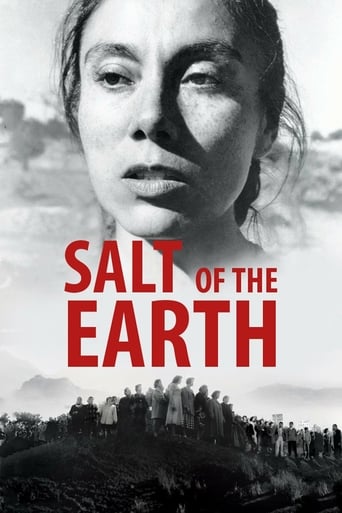
Prominent American labor organizer and union leader who became known for his role in the 1950-51 Empire Zinc strike in Grant County, New Mexico, which became the subject of the controversial film 'Salt of the Earth.' Born in 1918, Jencks dedicated his life to workers' rights and union organizing, particularly with the International Union of Mine, Mill and Smelter Workers (Mine-Mill). His involvement in the historic strike led to his participation in the blacklisted 1954 film, where he portrayed himself alongside his wife Virginia Jencks and other actual participants. Jencks faced persecution during the McCarthy era, including conviction under the Smith Act, though his conviction was later overturned by the Supreme Court. After his labor organizing days, he earned a Ph.D. In American history and became an academic, teaching at several universities. His life story represents the intersection of labor activism, political persecution, and cultural resistance during one of America's most turbulent political periods.
The Craft
On Screen
Non-professional naturalistic performance, essentially portraying himself in real-life situations
Milestones
- Led the 1950-51 Empire Zinc strike in New Mexico
- Portrayed himself in the controversial film 'Salt of the Earth' (1954)
- Convicted under the Smith Act (1954) but later overturned by Supreme Court (1957)
- Earned Ph.D. In American history from University of Colorado (1970)
- Taught history at University of North Carolina at Charlotte and San Diego State University
Best Known For
Iconic Roles
Must-See Films
Accolades
Special Recognition
- Subject of academic studies on labor history and McCarthy era persecution
Working Relationships
Worked Often With
Studios
Why They Matter
Impact on Culture
Clinton Jencks' participation in 'Salt of the Earth' made him an important figure in the history of American independent cinema and political filmmaking. The film, one of the first to examine labor struggles from a workers' perspective and feature a predominantly Hispanic cast, was blacklisted during the McCarthy era but later recognized as a significant work of social realism. Jencks' real-life story of persecution and eventual legal victory helped document the excesses of the Red Scare and became a case study in civil liberties. His transformation from labor organizer to academic also exemplified the ways political activists found new avenues to continue their work during periods of repression.
Lasting Legacy
Clinton Jencks is remembered as both a significant labor organizer and a symbol of resistance to McCarthy-era persecution. His legal battle, which reached the Supreme Court in Jencks v. United States (1957), established important precedents regarding defendants' rights to obtain government evidence. 'Salt of the Earth,' in which he starred, has been preserved in the National Film Registry and is studied in film schools for its groundbreaking approach to social issues and its unique production history. Academic works on labor history, civil liberties, and political cinema frequently cite Jencks as an important figure who bridged the worlds of labor activism and cultural production.
Who They Inspired
Jencks influenced subsequent generations of labor organizers through his writings and teaching. His case influenced legal precedent regarding civil liberties and government transparency. The film he participated in has inspired generations of political filmmakers and documentarians. His academic work helped preserve the history of American labor movements for future scholars and activists.
Off Screen
Clinton Jencks was married to Virginia Jencks, who was also a labor activist and appeared alongside him in 'Salt of the Earth.' The couple had children together and remained committed to social justice causes throughout their lives. After leaving active labor organizing, Jencks focused on academia while maintaining his political convictions. His family faced significant hardship during the Red Scare, including surveillance and economic hardship due to blacklisting.
Education
Bachelor's degree from University of Colorado, Ph.D. In American History from University of Colorado (1970)
Family
- Virginia Jencks (married 1940s until his death in 2005)
Did You Know?
- Was not a professional actor but a real labor organizer playing himself
- His Supreme Court case (Jencks v. United States) established the 'Jencks Act' regarding evidence disclosure
- Was blacklisted during the McCarthy era for his alleged communist sympathies
- The film 'Salt of the Earth' was added to the National Film Registry in 1992
- His wife Virginia Jencks also appeared in the film playing herself
- The film was made by blacklisted Hollywood filmmakers during the height of McCarthyism
- After his labor career, he became a respected history professor
- The Empire Zinc strike he led lasted 15 months and was successful
- His story has been the subject of numerous academic papers and books
- The film was virtually unseen in the United States for years due to blacklisting
In Their Own Words
We're not going to be divided. If they want to break the union, they'll have to break us all.
The strike wasn't just about wages, it was about dignity and respect for working people.
When you're fighting for justice, you have to be prepared to pay the price.
Frequently Asked Questions
Who was Clinton Jencks?
American labor organizer and union leader who led the historic Empire Zinc strike in New Mexico and later portrayed himself in the controversial 1954 film 'Salt of the Earth.' He became known for his role in both labor history and as a symbol of resistance to McCarthy-era persecution.
What films is Clinton Jencks best known for?
Titles linked here include Salt of the Earth (1954).
When was Clinton Jencks born and when did he die?
Born March 1, 1918; died December 15, 2005.
What awards did Clinton Jencks win?
Clinton Jencks did not receive traditional film awards, but his legacy was honored when 'Salt of the Earth' was added to the National Film Registry in 1992. His Supreme Court victory in Jencks v. United States established important legal precedents.
What was Clinton Jencks' acting style?
Jencks was not a trained actor but brought natural authenticity to his role in 'Salt of the Earth,' essentially playing himself in recreations of events he had actually lived through, giving the film its documentary-like realism.