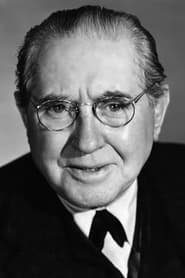
J.M. Kerrigan
Actor
Born: December 11, 1884 in Dublin, Ireland Died: April 29, 1964 Active: 1911-1949 Birth Name: James Mark Kerrigan
Films
1 film
About J.M. Kerrigan
James Mark Kerrigan — Irish-American character actor whose nearly four decades of American cinema, from the silent era through the golden age of Hollywood. Born in Dublin, Ireland, Kerrigan began his performing career on the stage before emigrating to the United States, where he transitioned to film work in the early 1910s. He established himself as a reliable character actor, frequently cast in roles that leveraged his Irish heritage and distinctive accent. Kerrigan became a favorite of director John Ford, appearing in numerous Ford films including 'Stagecoach' (1939) and 'The Informer' (1935), which showcased his ability to convey deep emotion and authenticity. His filmography encompasses over 200 appearances, making him prolific character actors of his generation. Despite never achieving leading man status, Kerrigan's versatility and reliability made him an invaluable presence in Hollywood's studio system. He continued working through the transition to sound films and into the 1940s, retiring from acting in 1949 after a career that on American cinema.
The Craft
On Screen
Kerrigan was known for his naturalistic acting style that brought authenticity to his character roles, particularly those of Irish descent. His performances were marked by a subtle emotional depth and a commanding presence despite often playing supporting roles. He had a distinctive voice and accent that served him well in the transition to sound films, allowing him to continue his career successfully when many silent era actors struggled. Kerrigan's approach to acting was grounded in his theatrical training, bringing a stage actor's discipline to his film work while adapting to the more intimate medium of cinema.
Milestones
- Film debut in 1911 during the silent era
- Member of John Ford's stock company
- Appeared in over 200 films
- Successful transition from silent films to talkies
- Notable performance in 'The Informer' (1935)
- Appeared in Ford's 'Stagecoach' (1939)
- Final film appearance in 1949
Best Known For
Iconic Roles
Must-See Films
Accolades
Special Recognition
- Member of John Ford's respected stock company of actors
Working Relationships
Worked Often With
Studios
Why They Matter
Impact on Culture
J.M. Kerrigan contributed significantly to the authentic representation of Irish characters in American cinema during a period when ethnic stereotypes were common. As part of John Ford's stock company, he helped create some of the most enduring images of Irish-American life on screen, bringing nuance and dignity to roles that might otherwise have been caricatured. His work in films like 'The Informer' and 'How Green Was My Valley' helped establish a more sophisticated understanding of Irish culture and history among American audiences. Kerrigan's longevity in the industry, spanning from the silent era through the golden age of Hollywood, made him a bridge between different eras of filmmaking, demonstrating how character actors could adapt to changing technologies and audience expectations.
Lasting Legacy
J.M. Kerrigan's legacy lies in his contributions to the golden age of Hollywood as. His extensive filmography serves as a valuable record of American cinema's development from the silent era through the studio system's peak. As a member of John Ford's stock company, he participated in creating some of the most celebrated films in cinema history, even if his individual contributions were often in supporting roles. Kerrigan's career exemplifies the importance of character actors in building the classic Hollywood films, providing the authentic background and support that made star performances shine. His ability to successfully transition from silent films to talkies, and his continued employment through the 1940s, speaks to his professionalism and adaptability in an industry known for its volatility.
Who They Inspired
While J.M. Kerrigan was not a major star whose influence would be widely documented, his consistent work ethic and professional approach to acting set an example for other character actors in Hollywood. As part of John Ford's trusted ensemble, he contributed to the director's distinctive style and vision, which in turn influenced generations of filmmakers. His authentic portrayals of Irish characters helped pave the way for more nuanced ethnic representation in American cinema, moving beyond simplistic stereotypes toward more complex human portrayals. Younger actors working with Ford would have observed Kerrigan's techniques and professionalism, absorbing lessons about craft and industry conduct that would inform their own careers.
Off Screen
James Mark Kerrigan emigrated from Ireland to the United States in the early 1910s, bringing with him a wealth of theatrical experience from his homeland. He married and settled in the Los Angeles area, where he built his career in the burgeoning film industry. Kerrigan was known among his colleagues as a professional and reliable actor who took his craft seriously despite often playing minor roles. He maintained connections to his Irish heritage throughout his life and was part of the Irish-American community in Hollywood. Kerrigan spent his final years in California, passing away in Hollywood in 1964 at the age of 79.
Education
Trained in theatre in Ireland before emigrating to the United States
Family
- Information not readily available
Did You Know?
- Appeared in over 200 films during his 38-year career
- Was a member of John Ford's stock company of actors
- Successfully transitioned from silent films to talkies
- Often played Irish characters due to his authentic accent
- Began his career on the stage in Ireland before moving to films
- Worked with John Wayne in multiple films
- Appeared in the Academy Award-winning film 'How Green Was My Valley'
- Was part of the ensemble cast in 'Stagecoach',
- His final film appearance was in 1949
- Lived to see the transition from silent films to television
- Was one of many Irish actors who found success in early Hollywood
In Their Own Words
Information not readily available
Frequently Asked Questions
Who was J.M. Kerrigan?
Screen credits include over 200 films from the silent era through the 1940s. He was particularly known for his work in John Ford films and his authentic portrayals of Irish characters.
What films is J.M. Kerrigan best known for?
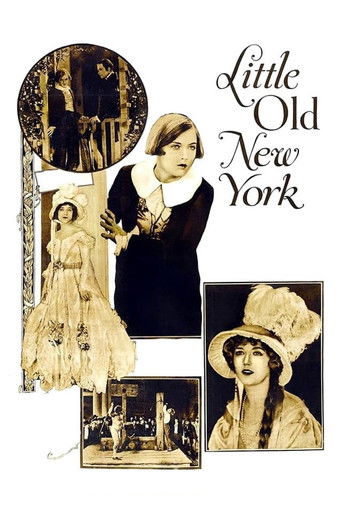
Titles linked here include Little Old New York (1923), The Informer (1935).
When was J.M. Kerrigan born and when did he die?
Born December 11, 1884; died April 29, 1964.
What awards did J.M. Kerrigan win?
While J.M. Kerrigan did not receive major individual awards, he appeared in several Academy Award-winning films including 'The Informer' (1935) and 'How Green Was My Valley' (1941). His recognition came primarily through his consistent work as a reliable character actor.
What was J.M. Kerrigan's acting style?
Kerrigan was known for his naturalistic acting style that brought authenticity to his character roles, particularly those of Irish descent. His performances were marked by subtle emotional depth and a commanding presence, successfully transitioning from silent films to talkies with his distinctive voice and accent.