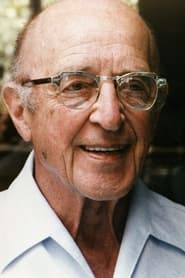
Carl Rogers
Actor
Born: January 8, 1902 in Oak Park, Illinois, USA Died: February 4, 1987 Active: 1931-1987 Birth Name: Carl Ransom Rogers
Films
1 film
About Carl Rogers
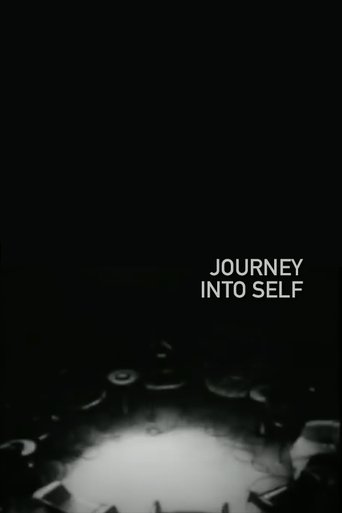
Carl Ransom Rogers — preeminent American psychologist and a founding father of humanistic psychology, whose work profoundly influenced both clinical practice and the portrayal of human emotion in media. Born in Oak Park, Illinois, he initially studied agriculture and theology before pivoting to psychology, earning his Ph.D. From Columbia University in 1931. Rogers is most famous for developing 'client-centered therapy,' a non-directive approach that emphasizes empathy, genuineness, and unconditional positive regard. Throughout the 1940s and 50s, he held prestigious academic positions at Ohio State, the University of Chicago, and the University of Wisconsin, where he challenged traditional psychoanalytic and behavioral models. In the 1960s, he moved to La Jolla, California, and became a central figure in the encounter group movement, which sought to foster personal growth through intensive group interaction. His career reached a unique cinematic milestone in 1968 when he participated in the documentary 'Journey Into Self,' which captured a 16-hour encounter group session he facilitated. The film's success, including an Academy Award win, brought his humanistic theories into the mainstream cultural consciousness of the late 20th century.
The Craft
On Screen
Naturalistic and non-performative; Rogers appeared as himself in documentaries, utilizing his professional 'facilitator' persona characterized by active listening and emotional transparency.
Milestones
- Developed the 'Client-Centered' approach to psychotherapy in the 1940s
- Published the seminal work 'On Becoming a Person' in 1961
- Co-founded the Center for Studies of the Person in La Jolla in 1968
- Featured in the Academy Award-winning documentary 'Journey Into Self' (1968)
- Nominated for the Nobel Peace Prize in 1987 for his work in conflict resolution
- Served as President of the American Psychological Association (1946-1947)
Best Known For
Iconic Roles
Must-See Films
Accolades
Won
- Academy Award for Best Documentary Feature (1968) - for 'Journey Into Self' (as subject/facilitator)
- APA Award for Scientific Contributions (1956)
- APA Award for Professional Contributions to Psychology (1972)
- Humanist of the Year (1964)
Nominated
- Nobel Peace Prize (1987)
Special Recognition
- Fellow of the American Academy of Arts and Sciences
- President of the American Psychological Association
- Ranked as the 6th most eminent psychologist of the 20th century
Working Relationships
Worked Often With
Studios
Why They Matter
Impact on Culture
Carl Rogers fundamentally changed the way the Western world views the 'self' and interpersonal relationships. By moving away from the 'doctor-patient' hierarchy toward a 'facilitator-client' partnership, he democratized psychological health and influenced the 'Self-Help' movement of the 1970s. His appearance in 'Journey Into Self' was a watershed moment for cinema, as it was one of the first times a raw, unscripted therapeutic process was shown to a mass audience, winning an Oscar and validating the documentary as a tool for social and psychological education.
Lasting Legacy
Rogers' legacy is preserved through the 'Person-Centered Approach,' which remains a cornerstone of modern counseling, education, and corporate management. His work in film provided a historical record of the 1960s 'Human Potential Movement' and established a precedent for the 'reality' and 'observational' documentary styles that would follow. He is remembered as a 'quiet revolutionary' who believed in the inherent goodness and growth potential of every human being.
Who They Inspired
His theories influenced not only psychologists but also educators, social workers, and filmmakers who sought to capture 'authentic' human interaction. The 'Rogerian' style of communication is still taught in film schools and acting workshops as a method for achieving emotional truth and deep listening between performers.
Off Screen
Rogers was raised in a strict, religious household that valued hard work and scientific inquiry. He married his childhood sweetheart, Helen Elliott, in 1924, and they remained married until her death in 1979. In his later years, he became increasingly interested in applying his theories to international political conflicts, traveling to South Africa and Northern Ireland to facilitate cross-cultural communication.
Education
University of Wisconsin (BA in History); Union Theological Seminary; Columbia University Teachers College (MA, PhD in Psychology)
Family
- Helen Elliott (1924-1979)
Did You Know?
- The film 'Journey Into Self' was edited down from over 16 hours of raw footage of a single weekend session.
- Rogers was originally a student of agriculture before a trip to China for a Christian conference made him doubt his religious path.
- He was a pioneer in using recording technology, being one of the first to record and transcribe therapy sessions for research.
- The documentary 'Journey Into Self' was introduced by legendary Hollywood director Stanley Kramer.
- He is often cited as the second most influential clinical psychologist in history, behind only Sigmund Freud.
In Their Own Words
The curious paradox is that when I accept myself just as I am, then I can change.
What is most personal is most universal.
Experience is, for me, the highest authority.
In my relationships with persons I have found that it does not help, in the long run, to act as though I were something that I am not.
Frequently Asked Questions
Who was Carl Rogers?
World-renowned American psychologist who founded the person-centered (or client-centered) approach to therapy. He is a central figure in humanistic psychology and is famous for his work in the Oscar-winning documentary 'Journey Into Self'.
What films is Carl Rogers best known for?
Titles linked here include Journey Into Self (1968), Three Approaches to Psychotherapy (1965).
When was Carl Rogers born and when did he die?
Born January 8, 1902; died February 4, 1987.
What awards did Carl Rogers win?
While primarily a scientist, he shared in the success of the 1968 Academy Award for Best Documentary Feature for 'Journey Into Self.' Professionally, he received the APA's highest honors for scientific and professional contributions.
What was Carl Rogers's style?
His style was 'non-directive' and 'person-centered,' focusing on empathy, congruence (genuineness), and unconditional positive regard to help individuals reach their full potential.