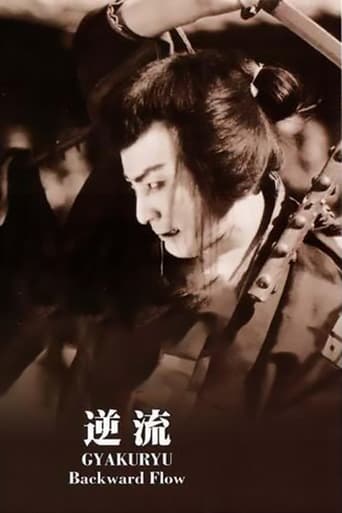
Kōzaburō Kataoka
Actor
- Active
- 1924-1924
Films 1
About Kōzaburō Kataoka
Kōzaburō Kataoka appears in surviving film records as a Japanese actor associated with the silent era, with documented screen activity in 1924, including the film Backward Flow. Because the available historical record is extremely sparse and may reflect only a partial surviving filmography, many details of his life, training, and later career remain unverified in modern reference sources. He belongs to the generation of performers who worked during a formative period of Japanese cinema, when acting styles were still evolving under the influence of stage traditions, silent-film presentation, and the benshi culture that accompanied screenings. As with many early Japanese screen actors, his surviving credit suggests participation in a rapidly developing film industry rather than a long internationally documented celebrity career. No reliable evidence was found in the available record to establish a broader body of work, personal background, or later-life activities with confidence. Consequently, he is best understood today as a historically significant but poorly documented early Japanese film performer whose name survives primarily through filmography data. Further archival research in Japanese-language sources, studio records, and contemporary trade publications would be necessary to reconstruct a fuller biography.
More about Kōzaburō Kataoka
On screen
No reliable surviving description of Kōzaburō Kataoka's acting style could be verified from accessible reference material. Given his era and medium, he likely worked within the expressive conventions of silent Japanese cinema, which often balanced theatrical gesture with the emerging naturalism of film performance. However, without reviews, production notes, or extant footage that can be confidently attributed to him, any more specific characterization would be speculative.
In film history
Kōzaburō Kataoka's cultural impact is primarily archival and historical rather than widely popular or internationally celebrated. His presence in early 1920s film records contributes to the broader understanding of Japan's silent-era screen workforce, a period in which many performers appeared in films that have not survived or were only partially documented. Even when individual biographies are obscure, these names help historians map the personnel, production networks, and regional development of Japanese cinema. In that sense, his significance lies in representing the many working actors whose careers formed the backbone of the industry during its silent years.
Later reputation
His lasting legacy is the preservation of his name in filmographic records, especially in connection with Backward Flow (1924). For researchers of silent Japanese cinema, such names are valuable because they help reconstruct casting practices and production histories from an era in which many films are lost and many careers are poorly documented. If additional archival materials are discovered, his legacy may be expanded, but at present it remains tied to the historical record rather than to a widely recognized star persona.
Influence
There is no verifiable evidence that Kōzaburō Kataoka directly influenced later actors or directors in a documented way. His influence is best understood indirectly, as part of the collective early screen acting tradition that shaped Japanese silent performance. Actors of his generation helped establish screen norms that later performers and filmmakers refined in the transition from silent cinema to talkies.
Off screen
No reliable biographical information about Kōzaburō Kataoka's personal life, family background, marriages, or domestic life could be verified from the available record. Unlike later Japanese stars whose lives were widely covered in newspapers and fan magazines, his surviving footprint in accessible sources is limited to a film credit and basic filmography data. At present, there is no dependable evidence to identify relatives, spouses, or children.
Education
Unknown; no verifiable information about formal education or artistic training is currently available.
Credits
- Documented screen credit in the 1924 silent film Backward Flow
- Represents an early Japanese screen actor active during the silent era
- Associated with the formative period of Japanese cinema in the 1920s
Roles
- Role in Backward Flow (1924)
Films
- Backward Flow (1924)
Notes
- He is documented as a Japanese actor active in the silent-film era.
- His currently verified filmography in accessible sources includes Backward Flow (1924).
- He should not be confused with later or similarly named Japanese performers, especially because early Japanese film records can be incomplete.
- Many early Japanese silent films are lost, so surviving actor credits like his are often the only traces left for historians.
- His career appears, from available data, to be limited to a very narrow surviving record rather than a fully documented star biography.
- Because his work predates the sound era, any surviving performances would have been experienced with benshi narration in many Japanese theaters.
Questions
Who was Kōzaburō Kataoka?
Kōzaburō Kataoka was a Japanese actor associated with the silent era of cinema. The surviving record is very limited, but he is documented in connection with the 1924 film Backward Flow. He is best understood today as an early screen performer from Japan's formative film period.
What films is Kōzaburō Kataoka best known for?
The only reliably documented title in the accessible record is Backward Flow (1924). Because his surviving filmography is sparse, it is not currently possible to identify a broader set of signature films with confidence. Additional archival research may reveal more credits.
When was Kōzaburō Kataoka born and when did he die?
At present, no verifiable birth or death dates could be confirmed from accessible sources. Likewise, his birthplace and death information remain unknown in the surviving record. This is common for some early silent-era performers whose careers were only partially documented.
What awards did Kōzaburō Kataoka win?
No awards or nominations have been found for Kōzaburō Kataoka in the available historical record. This does not necessarily mean he received none; rather, it reflects the limited documentation currently accessible for his career. Early Japanese silent-film actors were often not covered by the modern awards systems familiar today.
What was Kōzaburō Kataoka's acting style?
No direct description of his acting style has been verified from accessible sources. Since he worked in the silent era, he likely performed within the expressive, gesture-based conventions common to Japanese cinema of the 1920s. Without surviving reviews or footage, more specific claims would be speculative.
What is Kōzaburō Kataoka's legacy in film history?
His legacy is mainly historical and archival: he is one of the many early Japanese actors whose names survive in film records even when much of their work is lost or undocumented. He helps scholars reconstruct the personnel and production environment of silent-era Japanese cinema. For that reason, he remains relevant to film historians even without a widely known star persona.