Also available on: Archive.org
Backward Flow

Backward Flow

1924 Japan
Restoration of family honorSamurai duty and self-disciplineClass contempt and social hierarchyMisread affection and romantic longingPride, shame, and emotional repression

Plot

Nanjo Mikisaburo is a proud young samurai whose family has fallen from its former glory, leaving him to endure open contempt from higher-ranking warriors. Determined to restore his name, he devotes himself to rigorous study and martial training, pursuing both the literary and warrior arts with stoic discipline. His perseverance and dignity draw the sympathy of Misao, the daughter of his master Kurahashi Jupeita, who encourages him as others mock and dismiss him. Mikisaburo interprets her compassion as love, and that feeling ignites a passionate, ultimately destabilizing emotional attachment that complicates his vow to rise through self-mastery. The drama follows his struggle between ambition, pride, honor, and desire, set against a rigid samurai social order that leaves little room for personal fulfillment.

About the Production

Release Date 1924
Production Nikkatsu
Filmed In Japan

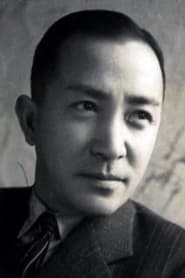
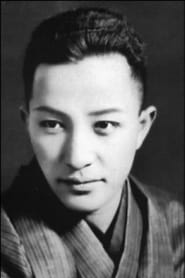
Backward Flow is a Japanese silent-era jidaigeki drama directed by Buntarō Futagawa and produced within the Nikkatsu studio system, which was one of the major engines of Japanese filmmaking in the 1920s. Like many films of its era, detailed surviving production documentation is sparse, and specific budgetary, shooting-schedule, and location records are not readily confirmed in publicly accessible sources. The picture is associated with star-driven period drama casting, featuring well-known chambara and historical-film performers such as Kanzaburo Arashi, Tsumasaburō Bandō, and Kōzaburō Kataoka, which suggests it was designed as a prestige vehicle for popular male leads. No verified evidence of unusual special effects or elaborate location work is commonly cited in modern references, but the film belongs to a period in which samurai dramas relied heavily on studio sets, carefully staged swordplay, and expressive performance styles shaped by live benshi narration.

Historical Background

Backward Flow was made in 1924, during Japan’s Taishō era, a period marked by rapid modernization, urban growth, political unrest, and changing social values. Japanese cinema in the 1920s was negotiating the balance between theatrical traditions and modern screen language, while studios such as Nikkatsu were building a mass entertainment industry around star actors and genre production. Samurai films of this period often looked backward to feudal ideals while also reflecting contemporary anxieties about hierarchy, masculinity, duty, and personal desire. The film’s emphasis on a fallen samurai struggling to restore family honor would have resonated with audiences living in a society undergoing visible class and cultural transformation, where old codes of conduct were being reexamined in a modern industrial age.

Why This Film Matters

Backward Flow is culturally significant as part of the early development of Japanese historical drama on film, a field that would later produce internationally celebrated masters of samurai cinema. Even when individual silent-era titles are only fragmentarily documented, they matter because they helped establish performance styles, narrative patterns, and star images that shaped later Japanese genre cinema. The film also contributes to the historical record of Buntarō Futagawa’s work and of the early screen careers of performers who helped define the heroic samurai archetype. Its plot, centered on class humiliation, self-cultivation, and unrequited or misread affection, reflects enduring cultural themes in Japanese literature and cinema, particularly the tension between giri, or social duty, and ningen no jō, human feeling.

Making Of

Specific behind-the-scenes records for Backward Flow are not widely documented in surviving English-language sources, which is common for Japanese silent films from the 1920s. What can be said with confidence is that the film was made within the Nikkatsu studio environment, where historical dramas were a major commercial category and where directors like Futagawa worked with well-known stage and screen actors to attract audiences. The casting of performers such as Tsumasaburō Bandō and Kōzaburō Kataoka indicates a production shaped by the star system, with screen personae already associated with martial honor, masculine intensity, and period spectacle. As with many films of the era, the original viewing experience would also have depended on benshi performance, meaning that tone and characterization could vary depending on the narrator accompanying the film in different theaters.

Visual Style

No detailed shot-by-shot cinematographic analysis survives in common reference sources, but as a 1924 silent Japanese drama, Backward Flow would have relied on composed staging, expressive framing, and performance-led visual storytelling. Films of this type typically used clear spatial arrangements for confrontations, emphasis on costume and gesture, and carefully arranged tableaux to communicate rank, emotion, and moral conflict. The period style generally favored legible compositions that allowed audiences and benshi narrators to follow the action easily, especially in scenes of social humiliation, sword training, and emotional revelation. Given the genre and studio context, the visual style likely emphasized atmosphere, costume detail, and the ceremonial quality of samurai conduct rather than dynamic camera movement.

Innovations

Backward Flow does not have widely documented technical innovations associated with it in surviving sources. Its significance lies more in its participation in the established craftsmanship of silent-era Japanese studio filmmaking than in a known breakthrough technique. The film belongs to a period when Japanese directors were refining methods of screen acting, period mise-en-scène, and dramatic pacing for historical narratives. Its technical value for historians is therefore archival and stylistic, illustrating how studio-era samurai dramas conveyed emotion, class conflict, and martial tension before the arrival of synchronized sound.

Music

As a silent film, Backward Flow did not have a synchronized recorded soundtrack in its original release. In Japanese theatrical exhibition of the period, music would typically have been provided live, often by a small ensemble or solo accompanist, alongside benshi narration that interpreted the story and voiced characters. The exact original musical accompaniment for this title is not known from surviving documentation. Any modern presentation would depend on archival reconstruction, live performance, or newly commissioned music if the film is screened today.

Memorable Scenes

  • Mikisaburo enduring the contempt of high-ranking samurai while maintaining his composure and pride.
  • The scenes of Mikisaburo’s study and martial training, which dramatize his attempt to rebuild his family’s status through discipline.
  • Misao offering sympathy and encouragement, a quiet emotional counterpoint to the hostility surrounding the protagonist.
  • The moment when Mikisaburo’s gratitude and admiration harden into passionate love, complicating his quest for honorable self-restoration.

Did You Know?

  • Backward Flow is a 1924 Japanese silent film, placing it in the formative period of the jidaigeki and chambara traditions that would become central to Japanese screen culture.
  • The film was directed by Buntarō Futagawa, a filmmaker associated with early Japanese period cinema and action-oriented historical drama.
  • Tsumasaburō Bandō appears in the cast, and his presence is notable because he became one of the most famous stars of Japanese swordplay films.
  • The story centers on samurai honor, class resentment, and emotional repression, all common concerns in 1920s Japanese historical drama.
  • Because it is a silent film, any original exhibition would have depended on live benshi narration in Japanese theaters, shaping audience interpretation and emotional emphasis.
  • The film is linked to Nikkatsu, a major studio that played a significant role in standardizing and popularizing Japanese commercial cinema during the silent era.
  • Available information on the film is limited compared with later classics, which is typical for many surviving references to Japanese silent productions of the 1920s.
  • The film's title, Backward Flow, suggests a theme of resisting or reversing social decline, fitting the protagonist’s effort to restore his family’s fortunes.
  • The plot description indicates a blend of martial discipline and romantic tragedy, a combination frequently seen in prewar samurai melodramas.
  • Its cast includes several actors strongly associated with heroic and historical roles, implying that the production likely emphasized performance charisma and physical presence.

What Critics Said

Contemporary critical reception is not well preserved in easily accessible modern references, so a detailed review consensus from 1924 cannot be stated with confidence. In modern film-historical terms, the picture is of interest primarily to scholars of silent Japanese cinema, studio history, and samurai genre development rather than to general audiences as a widely screened classic. Like many films from this era, its reputation is shaped more by archival importance, cast and director recognition, and surviving catalog references than by a robust corpus of surviving criticism. Where discussed today, it is generally valued as a representative example of early jidaigeki production and as part of the careers of important silent-era performers.

What Audiences Thought

Audience reception in 1924 is not well documented in surviving sources, but the film likely appealed to viewers who enjoyed historical drama, swordplay, and emotionally charged stories of honor and sacrifice. The presence of popular actors would have been a major draw, especially for audiences accustomed to following specific stars across studio releases. Silent-era Japanese audiences also experienced films through benshi narration, which could make dramatic scenes more immediate and emotionally vivid, likely enhancing the film’s appeal. Its themes of family decline, perseverance, and romantic longing would have fit familiar tastes in period melodrama and tragedy.

Film Connections

Influenced By

  • Japanese literature and theater traditions centered on samurai honor and melodrama
  • Early Japanese jidaigeki and chambara stage-to-screen traditions
  • Studio-era historical dramas produced by Nikkatsu

This Film Influenced

  • Later Japanese samurai dramas that explore honor, sacrifice, and social rank
  • The broader development of heroic swordplay cinema in Japan

Film Restoration

Surviving preservation status is unclear in readily accessible sources, and the film may be incomplete or otherwise difficult to view. It is best treated as an obscure silent-era Japanese title whose archival survival has not been firmly established in common reference materials. No widely publicized restoration or mainstream home-video edition is commonly associated with it.

Themes & Topics