Films
1 film
About Olga Brandini
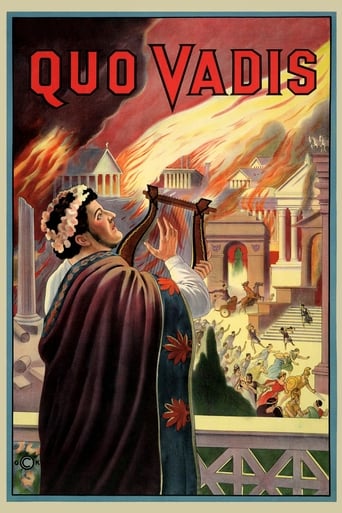
The 1913 film Quo Vadis? is the only title linked here for Olga Brandini. Her known filmography consists of a single role in the 1913 epic 'Quo Vadis?', which was ambitious and influential Italian silent films of its era. The film, directed by Enrico Guazzoni, was based on Henryk Sienkiewicz's novel and represented the height of Italian spectacle cinema before World War I. Brandini's participation in this landmark production places her among the early generation of film actors who helped establish the language of cinema during its formative years. Like many actors from this period, her career appears to have been brief, possibly consisting of just this one major production before disappearing from the historical record. Her contribution, while small in scope, represents the collective effort of countless early performers who laid the groundwork for the film industry that would follow.
The Craft
Milestones
- Appeared in the landmark 1913 Italian epic 'Quo Vadis?'
Best Known For
Iconic Roles
Must-See Films
Working Relationships
Worked Often With
Why They Matter
Impact on Culture
Olga Brandini's cultural impact is primarily historical rather than artistic, representing the thousands of anonymous performers who contributed to early cinema's development. Her appearance in 'Quo Vadis?' (1913) connects her to. The film itself was groundbreaking for its scale, use of crowds, and elaborate sets, influencing countless subsequent historical epics. While her individual contribution may have been small, she participated in a production that demonstrated cinema's potential as a serious art form capable of literary adaptation and spectacular presentation.
Lasting Legacy
Olga Brandini's legacy exists primarily as a name in the film credits of a historically significant production. Like many early film actors, she represents the transient nature of early cinema careers and the vast number of performers who have been lost to film history. Her appearance in 'Quo Vadis?' ensures that her name is preserved in cinema databases and historical records, serving as a reminder of the collective effort required to create the landmark films of the silent era. Her story illustrates how many early contributors to cinema were essentially pioneers who helped establish the medium but whose individual stories remain largely untold.
Who They Inspired
Given her extremely brief film career and limited documentation, Olga Brandini's direct influence on other actors or filmmakers cannot be traced. However, her participation in 'Quo Vadis?' places her within the broader context of early Italian cinema's influence on international filmmaking. The film itself influenced the development of the historical epic genre worldwide, and all who contributed to it, including Brandini, were part of this influential movement in cinema history.
Off Screen
Very little is known about Olga Brandini's personal life, as is common with many early silent film performers who were not major stars. Her brief appearance in film history during 1913 suggests she may have been a theater actor who briefly ventured into cinema, or possibly someone who tried acting but did not continue in the profession.
Did You Know?
- Olga Brandini's entire known film career consists of a single film from 1913
- 'Quo Vadis?' (1913) was one of the earliest and most successful Italian film epics
- The 1913 'Quo Vadis?' was directed by Enrico Guazzoni and featured massive crowd scenes
- Like many early silent film actors, comprehensive biographical information about Brandini has been lost to time
- Her appearance in 'Quo Vadis?' places her among the pioneers of Italian cinema
- The film was based on the Nobel Prize-winning novel by Henryk Sienkiewicz
- 1913 was during the peak period of Italian cinema's international influence before World War I
Frequently Asked Questions
Who was Olga Brandini?
Early Italian silent film actress known for appearing in the 1913 epic 'Quo Vadis?'. Her career appears to have been extremely brief, consisting of this single notable film during the era of Italian cinema.
What films is Olga Brandini best known for?
Titles linked here include Quo Vadis? (1913).
When was Olga Brandini born and when did she die?
Unfortunately, specific birth and death dates for Olga Brandini are not documented in available historical records, which is common for many early silent film performers who were not major stars of their era.
What awards did Olga Brandini win?
Olga Brandini did not receive any documented awards or nominations, which was typical for most actors in the very early days of cinema before award systems were established.
What was Olga Brandini's acting style?
Specific details about Olga Brandini's acting style are not documented, as is common with performers from this very early period of cinema. Like most actors in 1913, she likely employed the exaggerated theatrical style typical of silent film performance before more naturalistic acting techniques developed.