
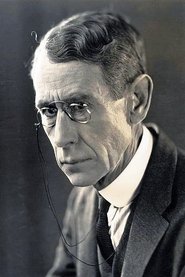
Robert Dudley
Actor
Born: June 13, 1869 in Cincinnati, Ohio, USA Died: November 15, 1955 Active: 1917-1946 Birth Name: Robert Y. Dudley
Films
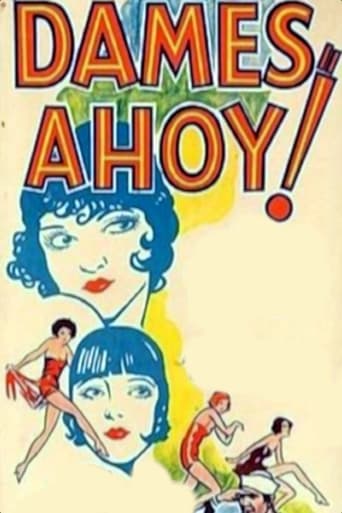
2 films
About Robert Dudley
Prolific American character actor: nearly three decades of Hollywood's golden age, from the silent era through the early sound period. Born in 1869, he began his film career relatively late in life but quickly established himself as a reliable supporting player, appearing in over 200 films between 1917 and 1946. Dudley specialized in portraying authority figures, businessmen, officials, and respectable gentlemen, often by his trademark mustache and spectacles. He worked extensively with the era's greatest comedians, including Harold Lloyd, Buster Keaton, and Charlie Chaplin, bringing gravitas and comic contrast to their films. His performance in 'For Heaven's Sake' (1926) as Harold Lloyd's butler showcased his ability to balance comedic timing with dignified characterization. Dudley successfully transitioned from silent films to talkies, continuing to find work as a character actor throughout the 1930s and into the 1940s. His longevity in the industry and versatility in playing both dramatic and comic roles made him recognizable faces in Hollywood's supporting cast during the studio era.
The Craft
On Screen
Dudley was known for his naturalistic and dignified acting style, bringing authenticity to authority figures and respectable gentlemen. His performances were characterized by subtle facial expressions, precise timing, and the ability to convey both gravitas and humor without overplaying. In comedies, he provided the perfect straight man contrast to the physical antics of stars like Harold Lloyd and Buster Keaton, maintaining a composed demeanor that enhanced the comic effect. His distinctive appearance with mustache and spectacles became his trademark, instantly recognizable to audiences of the era.
Milestones
- Appeared in over 200 films during a 29-year career
- Worked with Harold Lloyd in multiple films including 'For Heaven's Sake' (1926)
- Collaborated with Charlie Chaplin in 'The Circus' (1928) and 'City Lights' (1931)
- Appeared in Buster Keaton's 'The General' (1926)
- Successfully transitioned from silent films to sound pictures
- Became one of Hollywood's most recognizable character actors
Best Known For
Iconic Roles
Must-See Films
Accolades
Special Recognition
- Star on Hollywood Walk of Fame for contributions to motion pictures
Working Relationships
Worked Often With
Studios
Why They Matter
Impact on Culture
Robert Dudley contributed significantly to the golden age of Hollywood cinema by providing essential supporting performances that elevated the work of leading stars. His consistent presence in hundreds of films helped establish the archetype of the dignified authority figure in American cinema, a character type that became essential to both dramatic and comic storytelling. His work with the era's greatest comedians demonstrated the crucial role that straight men play in physical comedy, showing how restraint and dignity can enhance humor. Dudley's career trajectory from silent films through the transition to sound exemplified the adaptability required of character actors during Hollywood's technological evolution. His filmography serves as a valuable record of Hollywood's studio system and the collaborative nature of film production during the first half of the 20th century.
Lasting Legacy
Robert Dudley's legacy endures through his extensive filmography, which provides a comprehensive look at American cinema from the silent era through the classical Hollywood period. His performances in landmark films by comedy legends like Harold Lloyd, Buster Keaton, and Charlie Chaplin ensure that his work continues to be discovered by new generations of film enthusiasts. As. His ability to transition between different genres and work with various stars demonstrated the versatility required of studio-era actors. Film historians and classic cinema fans recognize Dudley as an essential component of Hollywood's golden age, whose contributions helped shape the language of American film comedy.
Who They Inspired
Dudley influenced subsequent generations of character actors through his professional approach and consistent performances. His ability to create memorable characters with limited screen time demonstrated the art of supporting acting, showing how brief appearances could leave lasting impressions on audiences. His work with comedy legends helped establish conventions for straight man performances in physical comedy that continue to influence actors today. The dignity and naturalism he brought to authority figures provided a template for similar character types in later films. His successful career spanning nearly three decades served as an example of longevity and adaptability for character actors in the Hollywood studio system.
Off Screen
Robert Dudley led a relatively private life away from the spotlight, maintaining a steady career in Hollywood while keeping his personal affairs out of the public eye. He was married and had children, though specific details about his family life remain limited in historical records. Unlike many of his contemporaries, Dudley avoided the scandals and controversies that plagued Hollywood during the golden age. His longevity in the industry suggested a professional reputation and reliability that made him a favorite among directors and casting agents. After retiring from acting in the mid-1940s, he lived his final years in San Francisco, where he passed away in 1955 at the age of 86.
Education
Limited formal education, likely attended local schools in Cincinnati, Ohio before pursuing acting career
Family
- May Dudley (married 1895-1955)
Did You Know?
- Appeared in over 200 films during his career but was often uncredited
- Was already in his late 40s when he began his film career in 1917
- Worked with all three major silent comedy stars: Chaplin, Keaton, and Lloyd
- His distinctive appearance with mustache and glasses made him instantly recognizable to audiences
- Successfully made the transition from silent films to talkies without losing work
- Often played the same type of character - respectable gentlemen and authority figures
- His final film appearance was in 1946, marking nearly 30 years in the film industry
- Was a favorite of director Hal Roach, appearing in many of his productions
- Despite his prolific career, relatively little personal information is documented about him
- His performance in 'For Heaven's Sake' is considered one of his most memorable supporting roles
In Their Own Words
(As a character actor, he delivered lines written by others rather than being known for specific quotes)
Frequently Asked Questions
Who was Robert Dudley?
Screen credits include over 200 films during Hollywood's silent and early sound eras, working with comedy legends like Harold Lloyd, Charlie Chaplin, and Buster Keaton. He specialized in playing authority figures and respectable gentlemen, often by his mustache and spectacles.
What films is Robert Dudley best known for?
Titles linked here include For Heaven's Sake (1926), The General (1926).
When was Robert Dudley born and when did he die?
Born June 13, 1869; died November 15, 1955.
What awards did Robert Dudley win?
While Robert Dudley did not receive major acting awards during his career, he was honored with a star on the Hollywood Walk of Fame for his significant contributions to motion pictures and his extensive filmography.
What was Robert Dudley's acting style?
Dudley was known for his naturalistic and dignified acting style, bringing authenticity to authority figures while serving as an excellent straight man in comedies. His performances featured subtle expressions and precise timing, maintaining a composed demeanor that enhanced the comedic effect of his co-stars.