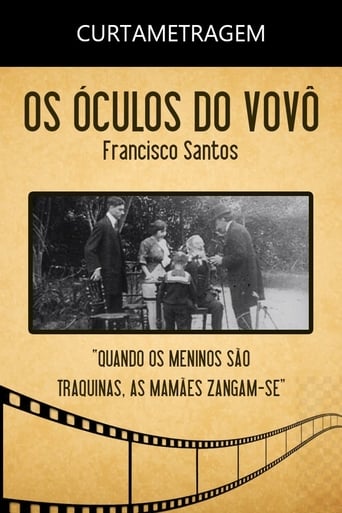
Films
1 film
About Mário Santos
Early Brazilian silent film actor who emerged during the days of Brazilian cinema in the early 1910s. His career, though brief, coincided with the formative years of Brazilian filmmaking when the country was developing its own cinematic identity separate from European and American influences. Santos appeared in 'Os Óculos do Vovô' (Grandpa's Glasses) in 1913, one of the earliest Brazilian narrative films produced during this nascent period. His work reflected the theatrical acting style common in silent cinema, where exaggerated gestures and facial expressions were essential for conveying emotion to audiences without synchronized sound. Unfortunately, like many early Brazilian film actors, detailed records of his life and career are scarce, as much of the documentation from this era has been lost to time. His single known film credit places him among the generation of actors who helped establish Brazilian cinema's foundations, even if their individual contributions have been largely forgotten by mainstream film history.
The Craft
On Screen
Typical of early silent era actors, Mário Santos likely employed exaggerated theatrical gestures and dramatic facial expressions to convey emotions and story points to audiences without the benefit of synchronized dialogue. His acting style would have been influenced by stage traditions, as the transition from theater to cinema was still ongoing in the early 1910s, particularly in developing film industries like Brazil's.
Milestones
- Appeared in 'Os Óculos do Vovô' (1913), one of Brazil's earliest narrative films
- Participated in the formative years of Brazilian cinema
- Contributed to silent era Brazilian film during its phase
Best Known For
Iconic Roles
Must-See Films
Why They Matter
Impact on Culture
Mário Santos represents the generation of actors who participated in the birth of Brazilian cinema, though his individual contribution has been largely obscured by time. His appearance in 'Os Óculos do Vovô' places him among the early practitioners who helped establish Brazil's film industry during a period when the country was developing its own cinematic voice. While his specific influence may be difficult to trace, actors like Santos formed the foundation upon which later Brazilian cinema would build, contributing to the cultural heritage of Brazilian filmmaking even if their names have been forgotten.
Lasting Legacy
Mário Santos' legacy is primarily historical, serving as a representative example of the anonymous actors who populated Brazil's early silent films. His single known appearance in 'Os Óculos do Vovô' makes him part of the archaeological record of Brazilian cinema's origins, though the film itself may no longer exist in complete form. Like many early film actors, his legacy is not in individual stardom but in his participation in the collective effort that established cinema as an art form in Brazil.
Who They Inspired
Given his extremely brief and undocumented career, there is no evidence of Mário Santos directly influencing other actors or filmmakers. His influence, if any, would be indirect, as part of the generation of early Brazilian film performers who demonstrated that cinema could be a viable medium for Brazilian stories and performers, paving the way for future generations of Brazilian actors.
Off Screen
Very little is documented about Mário Santos' personal life, which is typical for many early Brazilian film actors from the silent era. The lack of preserved records and the obscurity of early Brazilian cinema means that details about his family, relationships, and life outside of his single known film appearance have been lost to history.
Did You Know?
- Appeared in only one known film during his entire career
- 'Os Óculos do Vovô' was produced in 1913, making it one of Brazil's earliest narrative films
- The film's title translates to 'Grandpa's Glasses' in English
- Like many early Brazilian films, 'Os Óculos do Vovô' is likely lost or exists only in fragments
- 1913 was a pivotal year for Brazilian cinema, with several production companies emerging
- Early Brazilian cinema often focused on domestic comedies and dramas
- Silent era Brazilian actors typically came from theater backgrounds
- The preservation rate for Brazilian films from the 1910s is extremely low
Frequently Asked Questions
Who was Mário Santos?
Brazilian silent film with credits in this catalog. He represents the generation of Brazilian cinema actors who worked during the industry's formative years.
What films is Mário Santos best known for?
Titles linked here include Os Óculos do Vovô (1913).
When was Mário Santos born and when did he die?
Unfortunately, specific birth and death dates for Mário Santos are not documented, which is common for many early Brazilian film actors from the silent era whose records have been lost over time.
What awards did Mário Santos win?
Mário Santos did not receive any documented awards or nominations, which was typical for actors in Brazil's early film industry when formal award systems had not yet been established.
What was Mário Santos' acting style?
Like most silent era actors, Mário Santos likely employed theatrical acting techniques with exaggerated gestures and facial expressions to convey emotions without dialogue, reflecting the transitional period from stage to screen acting in early Brazilian cinema.