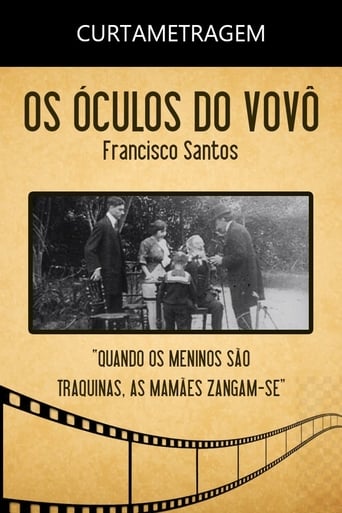
Films
1 film
About Francisco Santos
Francisco Santos worked on one surviving credit: Os Óculos do Vovô (1913). His known work consists of a single appearance in the 1913 silent film 'Os Óculos do Vovô' (Grandpa's Glasses), which places him among the first generation of Brazilian film performers. Working during a period when Brazilian cinema was in its absolute infancy, Santos was part of the foundational movement that helped establish the country's film industry. The film itself was produced during a time when Brazilian cinema was struggling to find its identity and compete with imported foreign productions. Unfortunately, like many actors from this era, detailed records of his life and career are extremely scarce, which was typical for performers in early Brazilian cinema who often worked anonymously or with little documentation. His contribution, while limited in scope, represents an important part of Brazil's cinematic heritage during the silent era.
The Craft
Milestones
- Appeared in 'Os Óculos do Vovô' (1913), one of Brazil's earliest surviving film productions
Best Known For
Must-See Films
Why They Matter
Impact on Culture
Francisco Santos represents the foundational generation of Brazilian cinema actors who worked during the industry's formative years in the early 1910s. His participation in 'Os Óculos do Vovô' places him among the pioneers who helped establish the tradition of Brazilian filmmaking, even though the industry would face numerous challenges in the decades that followed. The film itself is significant as one of the earliest examples of Brazilian narrative cinema, and actors like Santos were instrumental in proving that Brazilian productions could compete with the influx of foreign films that dominated the market.
Lasting Legacy
While Francisco Santos' legacy is limited due to the scarcity of records and his brief known career, he remains an important figure in the history of Brazilian cinema as one of its earliest documented actors. His work in 1913 represents a crucial period when Brazilian cinema was first establishing itself as an artistic and cultural medium. The preservation of films like 'Os Óculos do Vovô' ensures that early pioneers like Santos are not completely forgotten in the annals of film history.
Who They Inspired
As an actor from the very beginning of Brazilian cinema, Francisco Santos' influence would have been primarily foundational rather than stylistic. He and his contemporaries helped establish the basic conventions of film acting in Brazil, paving the way for future generations of Brazilian performers who would develop more sophisticated techniques as the medium evolved.
Off Screen
Very little is known about Francisco Santos' personal life, which was typical for actors working in Brazil's early film industry where records were poorly maintained and many performers worked anonymously.
Did You Know?
- Appeared in 'Os Óculos do Vovô' during the very early days of Brazilian cinema in 1913
- The film's title translates to 'Grandpa's Glasses' in English
- 1913 was a pivotal year for Brazilian cinema, with the industry still in its infancy
- Most Brazilian actors from this period worked with little to no documentation or recognition
- Silent film actors in Brazil often had to overcome technical challenges including poor lighting and primitive recording equipment
- Early Brazilian cinema faced intense competition from imported European and American films
- Many films from this era have been lost, making surviving works like 'Os Óculos do Vovô' particularly valuable
Frequently Asked Questions
Who was Francisco Santos?
Screen credits include the early days of Brazilian cinema, best known for his role in the 1913 silent film 'Os Óculos do Vovô' (Grandpa's Glasses). He represents one of the first generations of film actors in Brazil during the silent era.
What films is Francisco Santos best known for?
Titles linked here include Os Óculos do Vovô (1913).
When was Francisco Santos active in film?
Based on available records, Francisco Santos was active only in 1913, appearing in a single film during this year. This was during the very early period of Brazilian cinema's development.
What was the significance of 'Os Óculos do Vovô'?
'Os Óculos do Vovô' (1913) is significant as one of Brazil's earliest surviving narrative films, representing the foundational period of Brazilian cinema. The film showcases the country's early attempts to establish its own film industry.
Why is there so little information about Francisco Santos?
The scarcity of information about Francisco Santos is typical for actors working in Brazil's early film industry, where records were poorly maintained, many performers worked anonymously, and the industry itself was still developing basic documentation practices.