Films
1 film
About Saint Suttle
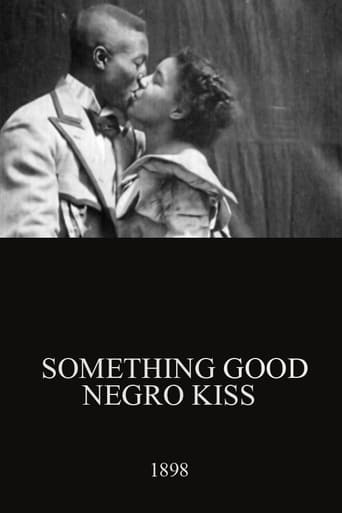
Made a significant mark on early cinema history despite his brief film career. He is best known for starring in the 1898 short film 'Something Good — Negro Kiss' alongside Gertie Brown, which was produced by the Selig Polyscope Company and directed by William Selig. This film is historically significant as one of the earliest examples of African American actors portrayed in a positive, affectionate light on screen, showing them as normal, romantic people rather than resorting to the racist caricatures that were common in the era. The film depicts Suttle and Brown sharing multiple kisses and embracing warmly, which was revolutionary for its time and particularly remarkable given the racial climate of late 19th century America. While little is documented about Suttle's life beyond this single film, his participation in this work has earned him recognition as an important figure in the history of African American representation in cinema. The film was rediscovered in 2017 and added to the National Film Registry in 2018, bringing renewed attention to Suttle's contribution to early film history.
The Craft
On Screen
Naturalistic and affectionate performance style that contrasted sharply with the exaggerated acting common in early silent films. His portrayal in 'Something Good — Negro Kiss' demonstrated genuine warmth and chemistry with co-star Gertie Brown, creating an authentic representation of romantic affection that was revolutionary for its time.
Milestones
- Starred in 'Something Good — Negro Kiss' (1898)
- One of the first African American actors to appear in a positive romantic role on film
- Participated in what is considered one of the earliest depictions of romantic kissing in cinema history
Best Known For
Iconic Roles
Must-See Films
Accolades
Special Recognition
- Film 'Something Good — Negro Kiss' added to National Film Registry (2018)
Working Relationships
Worked Often With
Studios
Why They Matter
Impact on Culture
Saint Suttle's contribution to cinema extends far beyond his brief filmography. His appearance in 'Something Good — Negro Kiss' represents a revolutionary moment in early cinema, challenging the pervasive racist stereotypes that dominated media representation of African Americans during the late 19th century. The film's positive portrayal of Black affection and romance was virtually unprecedented in an era when African Americans were typically depicted through harmful caricatures or excluded entirely from mainstream entertainment. This work helped establish the possibility of authentic Black representation in cinema, though it would take many decades for such representation to become more common. The rediscovery of the film in 2017 brought renewed attention to Suttle's role in early film history and highlighted the often-overlooked contributions of African American performers to the development of cinema as an art form.
Lasting Legacy
Saint Suttle's legacy is primarily preserved through his participation in what has become recognized as a historically significant film. 'Something Good — Negro Kiss' is now celebrated as one of the earliest examples of positive African American representation in cinema and one of the first films to depict romantic kissing on screen. The film's inclusion in the National Film Registry in 2018 has cemented Suttle's place in American film history, ensuring that his contribution to early cinema will be remembered and studied by future generations. His work serves as an important reminder of the African American pioneers who helped shape cinema from its earliest days, often against tremendous odds and with little recognition during their lifetimes.
Who They Inspired
While Saint Suttle's direct influence on subsequent performers is difficult to trace due to the limited documentation of his life and career, his work in early cinema paved the way for future generations of African American actors. By participating in a film that presented African Americans in a positive, humanizing light, he contributed to establishing the possibility of authentic Black representation in American media. This early example of positive representation would influence how later filmmakers and performers approached the challenge of creating more authentic and diverse portrayals of African American life on screen.
Off Screen
Very little documented information exists about Saint Suttle's personal life beyond his film work. As an African American performer in the late 19th century, he would have faced significant racial barriers and limited opportunities in the entertainment industry. His participation in early cinema represents an important but often overlooked chapter in African American cultural history.
Did You Know?
- 'Something Good — Negro Kiss' was discovered in 2017 at a flea market and later identified by film historians
- The film is only 29 seconds long but has had an outsized impact on film history
- Saint Suttle's film is considered one of the earliest examples of romantic kissing captured on film
- The film was produced by the Selig Polyscope Company, one of Chicago's earliest film production companies
- The film predates Edison's famous 'The Kiss' (1896) in showing African American affection on screen
- The film was added to the National Film Registry in 2018 for its cultural and historical significance
- Very little biographical information about Saint Suttle survives beyond this single film appearance
- The film represents a rare positive portrayal of African Americans during the Jim Crow era
- Saint Suttle and Gertie Brown are believed to be the first African American couple to kiss on film
- The film was likely shown in vaudeville theaters as part of variety programs
Frequently Asked Questions
Who was Saint Suttle?
African American with credits in this catalog.' His performance represented a rare positive portrayal of African Americans in early cinema during a time when racist caricatures were common.
What films is Saint Suttle best known for?
Titles linked here include Something Good — Negro Kiss (1898).
When was Saint Suttle born and when did he die?
Unfortunately, Saint Suttle's birth and death dates are not documented in historical records. Like many African American performers from the earliest days of cinema, biographical information about his life is extremely limited.
What awards did Saint Suttle win?
Saint Suttle did not receive any personal awards during his lifetime. However, the film he starred in, 'Something Good — Negro Kiss,' was added to the National Film Registry in 2018 for its cultural and historical significance.
What was Saint Suttle's acting style?
Saint Suttle's acting style in 'Something Good — Negro Kiss' was notably naturalistic and authentic for the period. Rather than using the exaggerated gestures common in early silent films, he and co-star Gertie Brown performed with genuine warmth and chemistry, creating a believable romantic portrayal.