Something Good — Negro Kiss
"Directed William Nicholas Selig"
Keys: Space play/pause · ←/→ 10s · F fullscreen · M mute · </> speed
About this film
1898 film directed by William Nicholas Selig.
Cast & crew
More films like this
More Romance films
View all →




More from William Nicholas Selig
View all →
More about this film
About the production
Release date1898
Box officeUnknown - box office tracking was not systematically recorded for films of this era
ProductionSelig Polyscope Company
Filmed inChicago, Illinois
Filmed in a single take using early motion picture equipment, likely an Edison Kinetoscope or similar camera. The film was probably shot in Selig's Chicago studio or on a simple indoor set. The production required minimal setup given its short length and simple concept. Both performers were likely vaudeville actors recruited for this experimental film. The spontaneous and natural quality of their interaction suggests they may have been encouraged to improvise their affectionate display rather than follow strict choreography.
Themes
African American representationRomantic loveInterracial relationships in mediaDignity and respectChallenging stereotypes
Themes & topics
Historical background
Made in 1898, Something Good — Negro Kiss reflects production norms of the earliest years of projected motion pictures—shorter runtimes, regional audiences, and limited preservation infrastructure.
Why this film matters
Historians reference Something Good — Negro Kiss (1898) when discussing 1898 film directed by William Nicholas Selig.
Making of
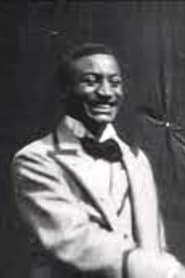
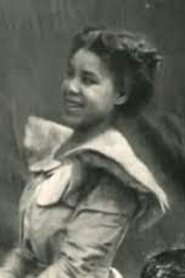
The film was created by William Nicholas Selig, a pioneer of American cinema who established one of the first motion picture production companies in Chicago. Selig, unlike many of his contemporaries, occasionally featured African American performers in his films without resorting to the caricatured minstrel show stereotypes that dominated the era. The production was remarkably simple by modern standards - requiring only a camera, basic lighting, and the two performers. The intimate nature of the content was revolutionary for 1898, when even white couples rarely showed such affection on screen. The film was likely shot in one take, with the performers instructed simply to display affection naturally. Both Suttle and Brown were probably recruited from Chicago's vaudeville scene, where interracial performances were more common than in other American cities.
What critics said
Modern write-ups on Something Good — Negro Kiss (1898) tend to focus on preservation status, stylistic choices, and placement within director or studio filmographies.
Did you know?
- This is the earliest known surviving film depicting African American intimacy and affection on screen
- The film was lost for over a century before being rediscovered and identified in 2017 by film scholars at the University of Chicago
- It predates D.W. Griffith's controversial 'The Birth of a Nation' by 17 years, offering a stark contrast to typical racist portrayals of the era
- The film was produced during the Jim Crow era, making its positive representation of African Americans particularly revolutionary
- Saint Suttle and Gertie Brown were actual vaudeville performers, not professional actors
- The film was likely intended for exhibition on nickelodeons and peep show devices rather than theatrical projection
- The original film title 'Something Good' was later expanded to 'Something Good — Negro Kiss' by archivists for descriptive purposes
- The film runs at approximately 16 frames per second, standard for silent films of the period
- It was added to the National Film Registry in 2022 for its cultural and historical significance
- The couple's natural chemistry suggests they may have been romantically involved in real life
Awards & recognition
- Added to the National Film Registry by the Library of Congress (2022)
- Honored by the Academy Film Archive for preservation and restoration
Visual style
The cinematography is typical of films from 1898, using a single stationary camera positioned to capture the full action. The black and white imagery shows the technical limitations of early film equipment, with some flickering and exposure variations. Despite these technical constraints, the framing effectively captures the intimacy of the moment. The camera work is straightforward but effective, allowing the focus to remain on the performers' natural interaction. The lighting appears to be basic studio lighting, creating clear visibility of the subjects. The composition places the couple centrally in the frame, emphasizing their connection. While technically primitive by modern standards, the cinematography serves its purpose well, creating a window into a tender moment that transcends its technical limitations.
Innovations
While not technically innovative in terms of cinematography or editing, the film's achievement lies in its social and cultural breakthrough rather than technical innovation. The film uses standard 35mm film stock and typical camera equipment for the period. Its technical significance comes from its preservation and restoration, which have allowed modern audiences to view this important historical artifact. The restoration process involved cleaning and digitizing the original film elements to ensure their survival for future generations. The film's existence and survival represent an achievement in itself, given how many early films have been lost to time. The simple, direct approach to filming - one continuous take with no cuts - was typical of the era but proves effective in capturing the authentic moment of affection between the performers.
Music
The original film was silent, as all films were in 1898. No original musical score was composed specifically for this short piece. In contemporary exhibition, the film would have been accompanied by live music, typically a pianist or small ensemble playing appropriate music of the period. Modern presentations of the film often feature period-appropriate music or specially commissioned scores that enhance the emotional impact of the scenes. Some screenings have used romantic piano music from the 1890s, while others have employed contemporary African American spirituals or ragtime pieces to provide cultural context. The absence of synchronized sound actually serves to emphasize the visual storytelling and the universal language of affection that the film portrays.
Famous quotes
No dialogue exists as this is a silent film, but the visual narrative speaks volumes about love transcending racial barriers in an era of segregation
Memorable scenes
- The entire 29-second film consists of one memorable scene: Saint Suttle and Gertie Brown sharing tender kisses and embraces, their genuine affection creating a powerful image of Black love that was revolutionary for its time and remains moving today
What audiences thought
Original audience reception from 1898 is not documented, as systematic audience research did not exist in early cinema. However, the fact that the film was produced and distributed suggests there was some market for such content, at least in certain venues. Modern audiences who have discovered the film through screenings and online distribution have responded with overwhelming positivity. Many viewers express surprise and emotion at seeing such a natural, tender depiction of Black romance from the 19th century. The film often elicits strong emotional responses, particularly from African American viewers who rarely see such historical representations of Black love. Contemporary audiences frequently comment on the couple's chemistry and the film's unexpected tenderness. The film has become popular in film studies courses and at special screenings, where it consistently moves audiences with its simple but powerful message of love and dignity.
Film connections
Influenced by
- Early French actuality films
- Edison Manufacturing Company productions
- Vaudeville performance traditions
This film influenced
- Early African American cinema
- Race films of the 1920s-1940s
- Contemporary discussions of representation in media
Film restoration
The film was considered lost for over a century before its rediscovery in 2017. It has since been preserved by the Library of Congress and added to the National Film Registry in 2022. The original film elements have been digitized and restored, ensuring the survival of this important historical artifact. The restoration work was undertaken by film preservation specialists who cleaned and stabilized the deteriorating film stock. The preserved version is now available through the Library of Congress and various archival institutions. The film's preservation represents a significant victory for cinema history, as it ensures that this groundbreaking representation of African American intimacy will remain accessible to future generations.
Where to watch
- Library of Congress National Film Registry collection
- YouTube (official archival uploads)
- Museum of Modern Art film collection
- Academic film archives and libraries
- Special screenings at film festivals and museums
- Kino Lorber's 'Pioneers of African American Cinema' collection