Films
1 film
About Gertie Brown
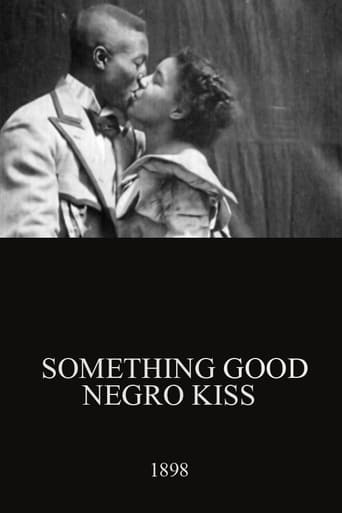
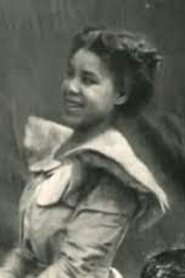
African American performer active during the very earliest days of cinema, appearing in the 1898 short film 'Something Good — Negro Kiss.' She worked during a time when opportunities for Black performers in film were virtually nonexistent, and positive portrayals of African Americans were extremely rare. Her performance in this 29-second film, directed by William Selig, represented a significant departure from the minstrel stereotypes that dominated early American entertainment. The film, which depicts a tender kiss between Brown and co-star Saint Suttle, is now recognized as the earliest surviving cinematic depiction of Black affection. While her career appears to have been limited to this single known film credit, her contribution to cinema history has gained renewed attention following the film's rediscovery in 2017. Brown's work represents an important early example of authentic Black representation in motion pictures, predating the widespread use of racist caricatures that would plague Hollywood for decades.
The Craft
On Screen
Naturalistic and authentic portrayal of affection, notable for its departure from the exaggerated minstrel show performances common in the period
Milestones
- Starred in 'Something Good — Negro Kiss' (1898), the earliest known film depicting Black affection
- African American performer in early cinema
- Participated in historically significant film that challenged racial stereotypes of the era
Best Known For
Iconic Roles
Must-See Films
Accolades
Special Recognition
- Recognized posthumously as a African American performer in early cinema
- Featured in the National Film Registry's discussion of historically significant early films
Working Relationships
Worked Often With
Studios
Why They Matter
Impact on Culture
Gertie Brown's performance in 'Something Good — Negro Kiss' represents a watershed moment in cinema history as the earliest known depiction of Black affection on film. The film challenges the prevailing racist stereotypes and minstrel show caricatures that dominated entertainment at the time. The rediscovery of this film in 2017 has sparked important conversations about representation in early cinema and the often-overlooked contributions of African American performers. Brown's work serves as evidence that authentic Black representation existed even in cinema's infancy, contrary to the belief that positive portrayals only emerged much later.
Lasting Legacy
Gertie Brown's legacy lies primarily in her participation in what is now considered a landmark film in cinematic history. 'Something Good — Negro Kiss' has been preserved and recognized by film scholars and institutions as an important artifact that challenges traditional narratives about early cinema's treatment of race. The film's inclusion in discussions about the history of Black representation in media ensures that Brown's contribution, however brief, will be remembered as part of the foundation for more authentic African American representation in film.
Who They Inspired
While Brown's known filmography consists of only one film, her influence is felt through the ongoing scholarly discussions about early Black cinema. Her natural performance style, free from the exaggerated mannerisms of minstrel shows, provided an early model for authentic Black representation that would influence future generations of performers and filmmakers. The rediscovery and celebration of her work has inspired renewed interest in uncovering other lost or forgotten contributions by African American pioneers in early cinema.
Off Screen
Very little is documented about Gertie Brown's personal life, which was common for performers of color in the late 19th century. Historical records from this period, particularly for African American entertainers, are extremely scarce.
Did You Know?
- 'Something Good — Negro Kiss' was rediscovered in 2017 at an estate sale and later identified by film scholars
- The film is only 29 seconds long but has been called 'the most important 29 seconds in cinema history' by some scholars
- The film was produced by the Selig Polyscope Company, one of the earliest film production companies in America
- Brown and her co-star Saint Suttle were likely vaudeville performers before appearing in the film
- The film was added to the National Film Registry's list of culturally significant works in 2022
- Unlike most films from 1898, this film survived because it was printed on durable 35mm film stock
- The kiss depicted in the film was considered revolutionary for its time, showing genuine affection rather than comedy
- Brown's performance represents one of the earliest known examples of naturalistic acting in American cinema
Frequently Asked Questions
Who was Gertie Brown?
Screen credits include the groundbreaking 1898 film 'Something Good — Negro Kiss.' She is recognized as one of the earliest Black actors in cinema history, though her career appears to have been limited to this single known film credit.
What films is Gertie Brown best known for?
Titles linked here include Something Good — Negro Kiss (1898).
When was Gertie Brown born and when did she die?
Unfortunately, specific birth and death dates for Gertie Brown are not known, as detailed records for African American performers from this era are extremely scarce. Historical documentation from the 1890s, particularly for performers of color, was often not preserved.
What awards did Gertie Brown win?
Gertie Brown did not receive any formal awards during her lifetime, as the film industry was in its infancy and award systems did not yet exist. However, her work has been posthumously recognized for its historical significance in representing early Black cinema.
What was Gertie Brown's acting style?
Brown's acting style in her known film work was notably naturalistic and authentic, especially when compared to the exaggerated minstrel show performances common at the time. Her portrayal of affection was genuine and free from the caricatured mannerisms that dominated much of early American entertainment.