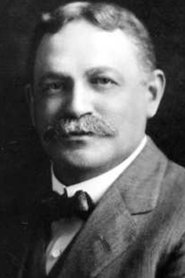
William Nicholas Selig
Director
Born: March 14, 1864 in Chicago, Illinois, United States Died: July 15, 1948 Active: 1896-1938
Films
2 films
About William Nicholas Selig
Figure in American cinema who transitioned from a traveling magician and minstrel show performer to become early filmmakers. Born in Chicago, Selig established the Selig Polyscope Company in 1896, which became one of the first permanent film production studios in the United States. He began by making actuality films and comedy shorts, quickly expanding to narrative films that showcased his innovative approach to storytelling. Selig was instrumental in developing early film techniques and was among the first to establish permanent film production facilities in California, moving operations to Los Angeles in 1909. His company produced hundreds of short films and several feature-length productions, making him prolific producers of the silent era. Selig's the entire formative period of American cinema, from the novelty days of the 1890s through the establishment of the studio system in the 1920s. Despite facing financial challenges and the eventual collapse of his studio in 1918, Selig's contributions to early American cinema were immeasurable, establishing practices and techniques that would become industry standards.
The Craft
Behind the Camera
William Selig's directing style was characteristic of early cinema, emphasizing visual storytelling over dialogue due to the silent medium. His films often featured broad physical comedy, clear narrative progression, and innovative camera techniques for the time. Selig was particularly adept at creating engaging short-form content that could captivate audiences in just a few minutes, a crucial skill in the era of one-reel films. His work demonstrated an understanding of cinematic language as it was developing, experimenting with editing, camera movement, and narrative structure that would influence future filmmakers.
Milestones
- Founded Selig Polyscope Company (1896)
- Produced first narrative films in America
- Established first permanent film studio in Los Angeles (1909)
- Created early film serials
- Pioneered location shooting in California
- Produced over 3,500 films during career
- Won honorary Academy Award (1947)
Best Known For
Must-See Films
Accolades
Won
- Academy Honorary Award (1947) - For his contributions to the development of motion pictures
Special Recognition
- Hollywood Walk of Fame star (6600 Hollywood Blvd)
- Inducted into the Pioneers of Film Hall of Fame
- Smithsonian Institution preservation of Selig films
Working Relationships
Worked Often With
Studios
Why They Matter
Impact on Culture
William Selig's impact on American cinema was profound and multifaceted, establishing foundational elements of the film industry that persist to this day. As one of the first to recognize the commercial potential of motion pictures, Selig helped transform cinema from a novelty attraction into a legitimate entertainment industry. His establishment of permanent production facilities in Chicago and later Los Angeles helped create the infrastructure for what would become Hollywood. Selig's Selig Polyscope Company was among the first to develop the star system, create film serials, and produce feature-length narrative films in America. His decision to move production to California to take advantage of the weather and diverse locations set a precedent that would eventually make Los Angeles the entertainment capital of the world. The company's innovations in animal training for film use led to more sophisticated productions and influenced how animals would be used in cinema for decades.
Lasting Legacy
William Selig's legacy endures through his countless contributions to the development of American cinema infrastructure and storytelling techniques. His Selig Polyscope Company produced over 3,500 films, many of which have been preserved by archives and continue to be studied by film historians. The studio's former location in Los Angeles became part of what would eventually evolve into major studio lots. Selig's work in film serials influenced countless future productions, from cliffhanger serials to modern television series. His early recognition of California's filming advantages helped establish Hollywood as the world's entertainment center. The honorary Academy Award he received in 1947 acknowledged his role as one of cinema's true innovators. Film preservation efforts continue to restore and study Selig's works, ensuring that future generations can appreciate the foundational role he played in shaping the motion picture industry.
Who They Inspired
William Selig's influence on subsequent filmmakers and the industry structure was immense. His development of the studio system model provided a blueprint that other major studios would follow and refine throughout the Golden Age of Hollywood. Selig's innovations in narrative storytelling techniques, particularly in serial format, directly influenced the development of episodic storytelling in both film and television. His early adoption of location shooting in California established practices that would become standard in the industry. The Selig Zoo's methods for training animals for film use influenced how animal performers would be integrated into movies for decades. Many future studio executives and filmmakers learned their craft at Selig's company, carrying his innovative approaches to other studios. His emphasis on creating marketable stars and developing recognizable brands within his company influenced the development of the star system and studio branding that would define Hollywood for generations.
Off Screen
William Selig married Mary E. Homan in 1889, and they remained together until her death in 1943. The couple had no children. Selig was known for his show business background, having worked as a magician and minstrel performer before entering the film industry. After the collapse of his studio, Selig faced financial difficulties but continued working in the film industry in various capacities. He spent his later years in Los Angeles, living modestly while occasionally consulting on film projects and sharing his knowledge of early cinema with historians and archivists. His death in 1948 marked the passing of one of the last surviving pioneers of American cinema's formative years.
Education
Limited formal education; largely self-taught in show business and early film techniques
Family
- Mary E. Homan (1889-1943)
Did You Know?
- Founded the Selig Polyscope Company with just $5,000 in capital
- Was one of the first filmmakers to establish permanent production facilities in Los Angeles
- His studio owned one of the largest private zoos in America for filming animals
- Produced the first film version of 'The Wizard of Oz' in 1910
- Was involved in early patent wars with Thomas Edison over film equipment
- His studio's logo featured a tiger, inspired by his successful animal films
- Selig was among the first to recognize the commercial potential of film serials
- He survived a major studio fire in 1909 that destroyed much of his early work
- The Selig studio lot was eventually purchased by Paramount Pictures
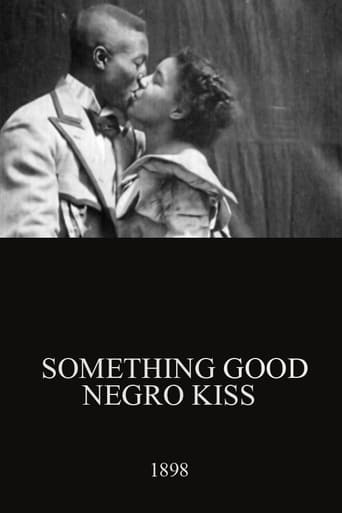
- His film 'Something Good — Negro Kiss' was rediscovered in 2018 and added to the National Film Registry
In Their Own Words
The motion picture is not just a novelty; it is the art form of the future.
We must not be afraid to experiment with this new medium, for within it lies the power to move and educate millions.
California offers us what no other place can: endless sunshine and every landscape imaginable for our stories.
Frequently Asked Questions
Who was William Nicholas Selig?
American filmmaker, studio founder, and producer who established the Selig Polyscope Company in 1896. He was. His active years covered from the earliest days of motion pictures through the establishment of the studio system.
What films is William Selig best known for?
Titles linked here include Something Good — Negro Kiss (1898), The Count of Monte Cristo (1908).
When was William Selig born and when did he die?
Born March 14, 1864; died July 15, 1948.
What awards did William Selig win?
William Selig received an Academy Honorary Award in 1947 for his contributions to the development of motion pictures. He also has a star on the Hollywood Walk of Fame at 6600 Hollywood Boulevard, and has been posthumously inducted into the Pioneers of Film Hall of Fame for his foundational contributions to cinema.
What was William Selig's directing style?
Selig's directing style was characteristic of early cinema, emphasizing clear visual storytelling and broad physical comedy suited to silent films. He was innovative in his use of camera techniques and editing for the time period, and excelled at creating engaging short-form content. His work demonstrated an understanding of cinematic language as it was developing, experimenting with narrative structures that would influence future filmmakers.