Films
1 film
About Bai Yingkuan
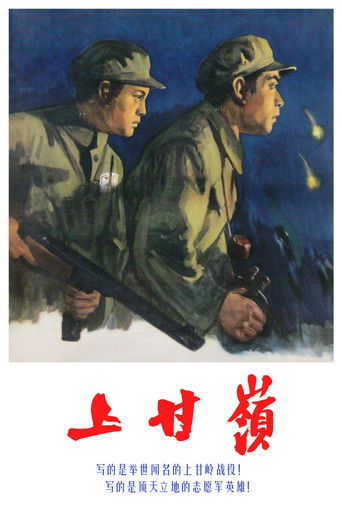
This archive lists one role for Bai Yingkuan: Battle on Shangganling Mountain (1956). His known filmography consists of a single but significant role in the 1956 war epic 'Battle on Shangganling Mountain,' Chinese films of the 1950s. This film was a major production by Changchun Film Studio, depicting Chinese soldiers' heroic stand during the Korean War. While detailed information about Bai Yingkuan's broader career is limited, his participation in this landmark film suggests he was part of the state-controlled film system that emerged in China after 1949. The film itself was instrumental in establishing the heroic war narrative style that would characterize Chinese cinema for decades. Unfortunately, comprehensive records about many character actors from this period are scarce, particularly in Western documentation.
The Craft
Milestones
- Appeared in 'Battle on Shangganling Mountain' (1956)
Best Known For
Iconic Roles
Must-See Films
Working Relationships
Studios
Why They Matter
Impact on Culture
Bai Yingkuan's contribution to Chinese cinema, while limited to one documented role, was part of a significant cultural moment in Chinese film history. 'Battle on Shangganling Mountain' was not just a war film but a piece of political cinema that helped shape Chinese national identity and collective memory during the early years of the People's Republic. The film's success and enduring influence mean that all participants, including supporting actors like Bai Yingkuan, contributed to an important cultural artifact that reflected and reinforced the political narratives of its time. The film established templates for Chinese war movies that would persist for decades, influencing generations of filmmakers and actors.
Lasting Legacy
While Bai Yingkuan's individual legacy is difficult to trace due to limited documentation, his participation in 'Battle on Shangganling Mountain' connects him to. The film itself remains a cultural touchstone in China, frequently referenced in discussions of Chinese war cinema and propaganda films. The movie's impact on Chinese filmmaking techniques, particularly in depicting battle sequences and heroic sacrifice, created a lasting influence on the industry. Actors who participated in such landmark productions, even in smaller roles, were part of establishing the professional standards and artistic approaches that would define Chinese cinema for years to come.
Who They Inspired
Due to the limited documentation of Bai Yingkuan's career, his direct influence on other actors or filmmakers cannot be specifically traced. However, his participation in a major state production during the formative years of the People's Republic's film industry means he was part of the generation that helped establish the acting styles and techniques appropriate for socialist cinema. The film itself influenced countless subsequent Chinese war movies and helped define the aesthetic and narrative approaches to depicting military heroism in Chinese cinema.
Off Screen
Very little information is available about Bai Yingkuan's personal life, which is common for many supporting actors from early Chinese cinema.
Did You Know?
- The film was based on real events from the Korean War, specifically the Battle of Triangle Hill
- Changchun Film Studio, where the film was produced, was
- The movie's theme song 'My Motherland' became extremely popular and is still recognized in China today
- The film was praised for its realistic battle sequences and emotional storytelling
- Many Chinese actors from this period had backgrounds in theater or revolutionary art troupes before entering film
- The film's success helped establish the template for Chinese war films that would continue through the 1960s and beyond
Frequently Asked Questions
Who was Bai Yingkuan?
Chinese with credits in this catalog.' Very little additional information is available about his career or personal life.
What film is Bai Yingkuan best known for?
Bai Yingkuan is known exclusively for his appearance in 'Battle on Shangganling Mountain' (1956), a major Chinese war film about the Korean War that became.
When was Bai Yingkuan active in film?
Based on available records, Bai Yingkuan was active in 1956, with his only documented film appearance being in 'Battle on Shangganling Mountain' that same year.
What was 'Battle on Shangganling Mountain' about?
The film depicted Chinese soldiers' heroic defense of Shangganling during the Korean War, becoming a landmark production in Chinese cinema that helped establish the nation's war film genre.
Why is information about Bai Yingkuan so limited?
Detailed records about many supporting actors from early Chinese cinema are scarce, particularly in Western sources. This is common for character actors from this period, especially those who worked primarily in domestic productions.