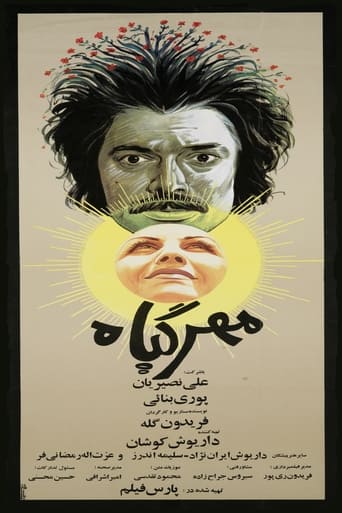
Films
1 film
About Dariush Iran Nezhad
Dariush Iran Nezhad is a very obscure screen actor known from surviving filmographic references rather than from a substantial documented career in widely available English-language film histories. The only clearly identified credit associated with him in the supplied information is The Mandrake (1975), which places him in the period of Iranian cinema rather than the silent era or early Hollywood. Because reliable biographical records are scarce, many standard details such as his birth, education, family life, and broader filmography are not readily verifiable from major reference sources. His name suggests Iranian origins, and the surviving evidence indicates that he worked as an actor during at least one documented production in the mid-1970s. As with many performers from regional cinema whose work did not circulate widely internationally, his contribution is preserved more through film databases than through extensive published interviews or profiles. Without stronger source material, it would be speculative to assign him additional credits, awards, or personal-history details beyond what is currently available. His inclusion in a film database is nonetheless important because it helps preserve the record of lesser-documented performers whose work formed part of local film culture.
The Craft
Milestones
- Documented screen credit in The Mandrake (1975)
- Represents a lesser-documented Iranian film performer preserved in cast records
- Associated with mid-1970s cinema rather than major internationally circulated productions
Best Known For
Iconic Roles
Must-See Films
Why They Matter
Impact on Culture
Dariush Iran Nezhad's cultural impact is best understood in the context of film preservation rather than celebrity status. Performers like him are important because they document the breadth of a national cinema ecosystem, including many artists whose work did not become widely distributed or heavily reviewed outside their home market. Even a single preserved credit can be significant for researchers reconstructing casts, production networks, and the development of Iranian cinema in the 1970s. His presence in film records contributes to a more complete historical archive, helping ensure that supporting and lesser-known performers are not erased from cinematic memory.
Lasting Legacy
His legacy lies primarily in archival visibility: he is part of the recorded cast history of The Mandrake and therefore part of the surviving map of mid-1970s Iranian screen talent. Because there is no substantial body of accessible criticism, interviews, or retrospective scholarship tied to him, his long-term legacy is one of documentation rather than fame. For film historians and database curators, such names matter because they help reconstruct the everyday working landscape of a film industry. As more regional archives are digitized, additional information about his career may yet emerge and refine his place in Iranian cinema history.
Who They Inspired
No direct evidence survives to show that he influenced later actors or filmmakers in a documented, traceable way. However, as a working screen actor in a national cinema, he would have contributed to the broader professional environment in which later Iranian performers and productions developed. Any influence he may have had is currently best described as indirect and unverified.
Off Screen
No reliable public biographical information about his personal life, marriages, family background, or later years could be verified from the available film reference data. For database purposes, his personal profile must therefore remain largely undocumented until more authoritative Persian-language or archival sources are located.
Did You Know?
- He is identified in available data primarily through one film credit rather than a large public biography.
- The only currently confirmed title associated with him is The Mandrake (1975).
- He appears to be a very obscure performer whose career did not leave a large English-language paper trail.
- His name strongly suggests Iranian origin, though precise birthplace details are not currently verified.
- Because his surviving record is sparse, he is a useful example of how film databases preserve lesser-known cast members.
- He should not be confused with other similarly named individuals from unrelated fields.
Frequently Asked Questions
Who was Dariush Iran Nezhad?
Iranian with credits in this catalog. The currently documented credit associated with him is The Mandrake (1975), and beyond that, reliable biographical information is scarce.
What films is Dariush Iran Nezhad best known for?
Titles linked here include The Mandrake (1975).
When was Dariush Iran Nezhad born and when did he die?
His birth date and death date are not currently verifiable from the available sources. Likewise, his birthplace is not reliably documented in the material presently accessible.
What awards did Dariush Iran Nezhad win?
No awards or major nominations could be confirmed from the available information. His surviving record is too limited to substantiate any specific honors.
What was Dariush Iran Nezhad's acting style?
There is not enough documented material to describe a distinctive acting style with confidence. Since only a limited film credit survives in the accessible record, any stylistic assessment would be speculative.
Why is Dariush Iran Nezhad important to film history?
He is important as part of the documented cast history of mid-1970s Iranian cinema. Even obscure performers matter to film history because they help preserve a fuller picture of local production, performance networks, and cinematic labor.