Films
1 film
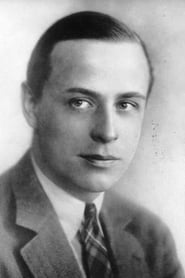
About André Mattoni
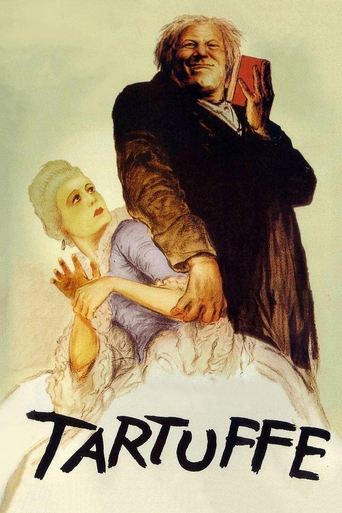
André Mattoni appears once in this catalog: Tartuffe (1925). His most notable and possibly only known film role was in the 1925 German silent film 'Tartuffe,' directed by the renowned F.W. Murnau. This film was an adaptation of Molière's classic play and represented one of Murnau's early German works before his move to Hollywood. Mattoni's participation in this production placed him within the context of the highly influential German Expressionist cinema movement of the 1920s. His career appears to have been extremely brief, with documented activity confined to the year 1925. Like many supporting actors from the silent era, particularly those working in European cinema, detailed records of his life and career are scarce. The limited documentation available suggests he may have been a character actor or bit player rather than a leading star. His appearance in a Murnau film, however brief, connects him to one of cinema's most important early directors.
The Craft
Milestones
- Appeared in F.W. Murnau's 1925 film 'Tartuffe'
Best Known For
Iconic Roles
Must-See Films
Working Relationships
Worked Often With
Why They Matter
Impact on Culture
André Mattoni's cultural impact is primarily derived from his participation in 'Tartuffe' (1925), a significant work in the German Expressionist cinema movement. Although his role was likely minor, his involvement in a F.W. Murnau film places him within the historical context of one of cinema's most innovative periods. The film itself was an important adaptation that helped bridge classical literature with cinematic art, and all contributors, regardless of the size of their roles, were part of this artistic achievement. His presence in the film represents the international nature of European cinema production during the 1920s, where actors from various countries worked together on productions that would influence cinema worldwide.
Lasting Legacy
André Mattoni's legacy is that of a representative figure from the vast community of supporting actors who contributed to the golden age of silent European cinema. While not a major star, his participation in 'Tartuffe' ensures his place in film history as part of Murnau's artistic vision. Like many actors from this period, his story illustrates how countless individuals contributed to cinema's development, even if their names are not widely remembered today. His work serves as a reminder of the collaborative nature of filmmaking and the many forgotten artists who helped create cinema's most enduring classics.
Who They Inspired
Due to the limited documentation of his career and the apparent brevity of his film work, André Mattoni's direct influence on other actors or filmmakers cannot be substantiated. However, his participation in a Murnau film means he was part of productions that would influence generations of filmmakers worldwide. The techniques and artistic approaches developed in films like 'Tartuffe' would become foundational elements of cinematic language, and all contributors to such works, however minor their roles, were part of this influential process.
Off Screen
Very little is known about André Mattoni's personal life due to the limited documentation available for minor actors from the silent era. As a Czech actor working in German cinema during the 1920s, he was likely part of the international community of performers who worked across European film centers before the rise of sound cinema created language barriers.
Did You Know?
- André Mattoni appeared in 'Tartuffe' (1925), directed by F.W. Murnau, one of cinema's most acclaimed early directors
- The film 'Tartuffe' was an adaptation of Molière's 1664 play about religious hypocrisy
- Murnau's 'Tartuffe' was made during the height of German Expressionist cinema
- The actor's Czech nationality working in German cinema reflects the international nature of European film production in the 1920s
- Like many silent era actors, Mattoni's career likely ended with the transition to sound films
- Very little documentation survives about minor actors from this period of European cinema
- His entire known filmography consists of work from a single year (1925)
Frequently Asked Questions
Who was André Mattoni?
Czech with credits in this catalog.W. Murnau's 1925 film 'Tartuffe.' His career appears to have been extremely brief, with documented activity confined to the year 1925.
What films is André Mattoni best known for?
Titles linked here include Tartuffe (1925).
When was André Mattoni born and when did he die?
Specific birth and death dates for André Mattoni are not documented in available historical records, which is common for minor actors from the silent era.
What awards did André Mattoni win?
There are no documented awards or nominations for André Mattoni, which is typical for supporting actors of the silent era whose contributions were often not formally recognized.
What was André Mattoni's acting style?
Due to limited documentation and the apparent brevity of his career, specific details about Mattoni's acting style are not available. As a performer in German Expressionist cinema, he likely worked within the theatrical, exaggerated style common to silent films of the period.