Films
2 films
About Robert Garrison
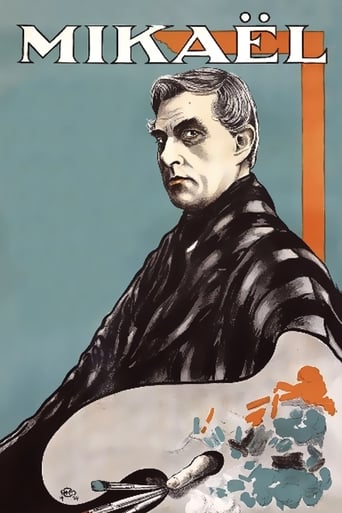
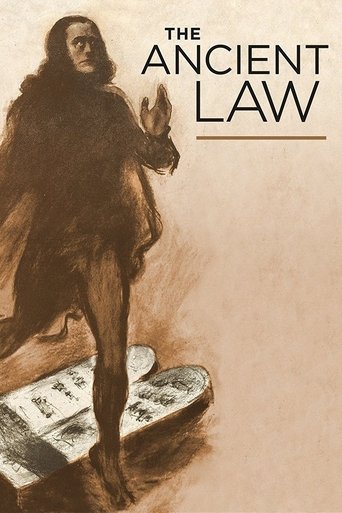
Made his mark during the silent film era, though his career was tragically brief. He emerged in the early 1920s, a period of immense creativity in German cinema, and quickly secured roles in two significant films directed by prominent filmmakers of the time. His first notable appearance was in the 1923 historical epic 'Das alte Gesetz' (The Ancient Law), directed by Ewald André Dupont, where he played a supporting role in a story about a Jewish scribe's son who dreams of becoming an actor. The following year, he worked with the Carl Theodor Dreyer on the film 'Michael,' a drama that explored themes of unrequited love and artistic sacrifice. Garrison's performance in 'Michael' as a supporting character contributed to the film's powerful ensemble cast, which also featured Benjamin Christensen. Despite his promising start and association with such visionary directors, Garrison's filmography remains limited to these two known works from 1923 and 1924. Details about his life outside of these films are scarce, and his career appears to have ended as abruptly as it began, leaving him as a fascinating but enigmatic figure of the Weimar cinema period.
The Craft
Milestones
- Landed a role in Ewald André Dupont's acclaimed historical drama 'The Ancient Law' (1923)
- Collaborated with master director Carl Theodor Dreyer on the influential silent film 'Michael' (1924)
- Participated in the vibrant artistic movement of Weimar German cinema
Best Known For
Must-See Films
Working Relationships
Worked Often With
Why They Matter
Impact on Culture
Robert Garrison's cultural impact is not defined by individual stardom but by his participation in two highly significant films from a pivotal era in German cinema. 'The Ancient Law' is recognized as an important early film that sympathetically portrayed Jewish life and the conflict between tradition and modernity, contributing to a more nuanced on-screen representation. His role in Dreyer's 'Michael' places him within the context of a film that was ahead of its time in its subtle and complex exploration of homosexuality and artistic obsession, a theme rarely handled with such sophistication in the 1920s. While his own contributions were small, he was a working actor within a creative ecosystem that produced some of the most artistically ambitious films of the silent era, which in turn heavily influenced international cinema, particularly in Hollywood. His legacy is that of a craftsman who helped bring to life the visions of two of Europe's most important directors.
Lasting Legacy
Robert Garrison's legacy is that of a footnote in the history of silent film, a representative of the countless supporting actors who were essential to the success of the era's masterpieces. He is remembered not for a singular, star-making performance, but for being a tangible link to two landmark films of Weimar cinema. For film historians and enthusiasts, his name serves as a starting point for deeper exploration into the vast network of talent that existed beyond the most famous stars and directors. His brief career underscores the transient nature of fame and the fact that many who contributed to classic cinema remain largely anonymous, their stories lost to time. He exists today primarily in film credits, proof of a moment when he stood before the camera and helped create cinematic history.
Who They Inspired
Given his extremely limited filmography and the lack of documentation about his career beyond two films, there is no evidence to suggest that Robert Garrison directly influenced other actors or filmmakers in a significant or documented way. His influence is indirect, existing only as part of the collective body of work that defined the aesthetic and thematic concerns of German Expressionist and New Objectivity cinema. The performances he gave, however small, contributed to the overall texture and impact of films that would go on to inspire generations of directors worldwide. He is a part of the historical foundation upon which later cinematic styles were built, even if his personal name and influence have not been preserved in the historical record.
Off Screen
Very little is documented about the personal life of Robert Garrison. His brief film career in the early 1920s left minimal public records, and he does not appear to have achieved the level of fame that would have generated extensive biographical information in contemporary press or modern historical retrospectives. The scarcity of information suggests he may have been a stage actor who transitioned to film briefly or someone who left the acting profession shortly after his initial appearances.
Did You Know?
- His entire known film career consists of only two films, both released within one year of each other.
- He worked with two of the most celebrated European directors of the silent era: Ewald André Dupont and Carl Theodor Dreyer.
- His film 'Michael' (1924) is considered a landmark in queer cinema for its subtle portrayal of a painter's love for his male model.
- The other film he appeared in, 'The Ancient Law' (1923), was one of the first German films to sympathetically depict the Jewish experience.
- Despite his roles in these important films, virtually no biographical details about his life, including his birth and death dates, are readily available.
- His career coincided with the peak of the 'Golden Age' of German cinema (1919-1933), a period of immense artistic innovation.
- He is often confused in databases with other actors named Robert Garrison, particularly a 20th-century American actor, making research difficult.
Frequently Asked Questions
Who was Robert Garrison?
German with credits in this catalog. He is known for appearing in two significant German films, 'The Ancient Law' (1923) and 'Michael' (1924), before disappearing from the historical record.
What films is Robert Garrison best known for?
Titles linked here include The Ancient Law (1923), Michael (1924).
When was Robert Garrison born and when did he die?
Unfortunately, the birth and death dates for Robert Garrison are not known. Biographical information about him is extremely scarce, which is common for many supporting actors from the silent era who did not achieve major stardom.
What awards did Robert Garrison win?
There are no records of Robert Garrison receiving any major awards or nominations for his work. His career was too brief and his roles were supporting parts, making him ineligible for the recognition that lead actors might have received.
What was Robert Garrison's acting style?
Due to the limited availability of his films and the lack of surviving critical reviews from his time, it is difficult to definitively describe his specific acting style. As a German actor in the 1920s, he likely employed the exaggerated, expressive gestures typical of silent film performance to convey emotion.
Why is there so little information about Robert Garrison?
The scarcity of information is typical for many actors from the silent era who were not major stars. Records were often not meticulously kept, and many supporting actors worked briefly in film before returning to other professions like stage acting, leaving behind a minimal paper trail.