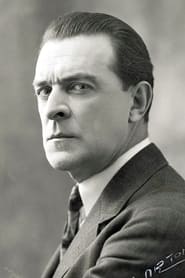
René Navarre
Actor
Born: July 8, 1878 in Limoges, France Died: February 28, 1968 Active: 1909-1935
Films
5 films

About René Navarre
French actor who became stars of early French cinema. Born in Limoges, France, he began his career on stage before transitioning to film, working initially with Georges Méliès. His breakthrough came when director Louis Feuillade cast him as the master criminal Fantômas in the 1913 serial, which made him an international sensation and established him as the first major French film star. Navarre's portrayal of the sophisticated, elusive villain captivated audiences across Europe and influenced countless future crime films. During World War I, he served as a pilot in the French military, temporarily interrupting his film career. After the war, he returned to acting but never quite regained the same level of prominence, though he continued working in films through the 1920s and into the early sound era. His final years were spent in relative obscurity in Azay-le-Rideau, where he died in 1968, largely forgotten by the new generation of cinema enthusiasts.
The Craft
On Screen
Navarre was known for his commanding screen presence and intense, theatrical acting style typical of the silent era. He brought a sophisticated charm to his villainous roles, particularly as Fantômas, where he embodied the archetype of the elegant, intelligent criminal mastermind. His performances were characterized by dramatic gestures, piercing gazes, and an ability to convey complex emotions through subtle facial expressions, making him particularly effective in the close-ups that were becoming more common in French cinema.
Milestones
- Breakthrough role as Fantômas (1913-1914)
- International stardom through European film distribution
- Service as WWI pilot
- Transition to sound films in early 1930s
- work in French crime cinema
Best Known For
Iconic Roles
Must-See Films
Accolades
Special Recognition
- Recognized as one of the first major French film stars
- Posthumous recognition as a pioneer of French cinema
Working Relationships
Worked Often With
Studios
Why They Matter
Impact on Culture
René Navarre's portrayal of Fantômas revolutionized the crime genre in cinema and established the template for the sophisticated criminal mastermind that would influence countless films and television shows. The Fantômas series was not only a commercial success but also a cultural phenomenon across Europe, spawning merchandise, novels, and inspiring other filmmakers. Navarre's star power helped establish French cinema as a major cultural export in the early 20th century, competing successfully with American films. His work demonstrated the potential of film serials and long-form storytelling, paving the way for future franchise cinema. The character's anti-hero nature also challenged conventional morality in popular entertainment, introducing more complex psychological elements to mainstream cinema.
Lasting Legacy
René Navarre's legacy endures primarily through his iconic portrayal of Fantômas, which continues to be referenced and homaged in modern cinema and popular culture. The Fantômas series is studied by film scholars as a landmark in early cinema, particularly for its innovative editing techniques, location shooting, and narrative complexity. Navarre's performance style influenced generations of actors playing sophisticated villains, from early Hollywood to contemporary European cinema. His career trajectory also serves as a case study in the challenges faced by silent film stars adapting to sound technology. Film historians recognize him as a crucial figure in the internationalization of cinema, helping establish French film as a global cultural force in the pre-WWI era.
Who They Inspired
Navarre's portrayal of Fantômas directly influenced the creation of other iconic criminal characters in cinema, including Dr. Mabuse in German cinema and various American film noir villains. His sophisticated, charming approach to villainy created a new archetype that would be emulated by actors like Peter Lorre and later, more complex anti-heroes in European art cinema. The visual style and narrative techniques developed in the Fantômas films influenced directors as diverse as Fritz Lang and Alfred Hitchcock. Contemporary filmmakers continue to reference Navarre's work, with directors like Luc Besson and Guillermo del Toro acknowledging the influence of the Fantômas series on their own work.
Off Screen
Navarre was known to be a private individual who kept his personal life largely out of the public eye. Despite his immense popularity during the height of his career, he maintained a relatively modest lifestyle. His service during World War I as a pilot demonstrated his patriotism and courage beyond his acting career. In his later years, he lived quietly in the Loire Valley region of France, far from the cinematic spotlight that had once made him famous.
Education
Limited formal education; trained in theater and performance arts
Family
- No publicly documented marriages
Did You Know?
- The Fantômas films were so popular that they were distributed internationally, making Navarre one of the first truly international film stars
- Navarre performed many of his own stunts in the Fantômas series, including dangerous action sequences
- The character of Fantômas was so compelling that it inspired a wave of similar crime serials across Europe
- Navarre's military service as a pilot during WWI was considered quite dangerous, and he was fortunate to survive the war
- Despite his fame, very few of Navarre's films survive today, making him somewhat enigmatic to modern audiences
- The Fantômas series was one of the first film franchises to feature a recurring villain as the protagonist
- Navarre was known for his distinctive mustache, which became part of his signature look as Fantômas
- The films were shot on location throughout France, which was unusual for the period and added to their realism
- Navarre's success helped establish Gaumont as a major international film studio
- The character's popularity extended beyond films to novels, stage plays, and even merchandise
In Their Own Words
Fantômas is everywhere and nowhere at once - he is the shadow that walks among us
To play a villain, one must understand the hero within him
The camera does not lie, but it can be made to tell magnificent stories
Frequently Asked Questions
Who was René Navarre?
French with credits in this catalog. He was.
What films is René Navarre best known for?
Titles linked here include Fantômas (1913), Juve contre Fantômas (1913).
When was René Navarre born and when did he die?
Born July 8, 1878; died February 28, 1968.
What awards did René Navarre win?
During his active period in the early 20th century, formal film awards were not yet established. Navarre's recognition came through his immense popularity and status as one of the first international film stars. He is now recognized posthumously as a pioneer of French cinema and a foundational figure in the crime thriller genre.
What was René Navarre's acting style?
Navarre's acting style was characterized by the theatrical, dramatic approach typical of the silent era, but with a sophisticated charm that made his villainous roles compelling. He brought elegance and intelligence to his characters, particularly Fantômas, using commanding gestures, intense gazes, and subtle facial expressions to convey complex emotions in the absence of dialogue.