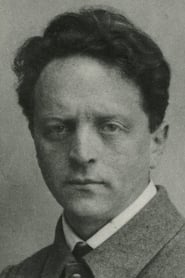
Béla Balázs
Actor
Born: August 4, 1884 in Szeged, Austria-Hungary (now Hungary) Died: May 17, 1949 Active: 1910s-1949 Birth Name: Herbert Bauer
Films
1 film
About Béla Balázs
Béla Balázs, born Herbert Bauer, was a Hungarian film theorist, writer, poet, and occasional actor whose work fundamentally shaped early cinema theory. Born in 1884 in Szeged, then part of Austria-Hungary, he studied at the University of Budapest where he formed lifelong friendships with composers Béla Bartók and Zoltán Kodály. During World War I, he served as a war correspondent before becoming involved in the short-lived Hungarian Soviet Republic of 1919, which forced him into exile following its collapse. He lived in Vienna and Berlin throughout the 1920s, where he developed his film theories and worked as a screenwriter for major productions. His theoretical work emphasized the visual and emotional power of cinema, particularly through the use of close-ups and facial expressions as a new universal language. Balázs collaborated with renowned directors like G.W. Pabst, writing screenplays for influential films including 'The Joyless Street' (1925) and 'Pandora's Box' (1929). With the rise of Nazism, he fled to the Soviet Union in 1933, where he continued his theoretical work and taught film. After World War II, he returned to Hungary and established the first film school in Budapest, continuing to write and teach until his death in 1949.
The Craft
On Screen
While primarily known as a theorist and writer, his occasional acting roles were typically minor and appeared in early European productions, likely reflecting his involvement in the artistic circles rather than a dedicated acting career.
Milestones
- Published groundbreaking film theory book 'Der sichtbare Mensch' (Visible Man) in 1924
- Wrote screenplay for G.W. Pabst's 'The Joyless Street' (1925)
- Collaborated on 'Pandora's Box' (1929) starring Louise Brooks
- Established the first Hungarian film school in Budapest after WWII
- Developed influential theories about close-ups and visual storytelling in cinema
- Wrote librettos for Béla Bartók's operas 'Bluebeard's Castle' and 'The Wooden Prince'
Best Known For
Iconic Roles
Must-See Films
Accolades
Won
- Kossuth Prize (1949) - awarded posthumously by the Hungarian government
Special Recognition
- Béla Balázs Award established by the Hungarian government in his honor
- Multiple streets and institutions in Hungary named after him
- International recognition as one of the founders of film theory
Working Relationships
Worked Often With
Studios
Why They Matter
Impact on Culture
Béla Balázs revolutionized the understanding of cinema as an art form through his theoretical writings, particularly emphasizing the power of the close-up and visual storytelling. His work 'Visible Man' (1924) was among the first serious theoretical treatments of film as an artistic medium, arguing that cinema could create a new form of human expression through visual means. Balázs's theories on the psychological and emotional impact of facial expressions in film influenced countless directors and helped establish the vocabulary of film criticism that continues to be used today. His collaboration with major European directors helped bridge the gap between theoretical understanding and practical filmmaking, contributing to the artistic development of cinema during its formative years.
Lasting Legacy
Balázs's legacy endures through his foundational contributions to film theory, which remain influential in film studies worldwide. The Béla Balázs Studio in Hungary, named in his honor, became an important center for experimental and documentary filmmaking. His theoretical concepts about the visual language of cinema continue to be taught in film schools globally, and his emphasis on the emotional power of close-ups and visual storytelling remains relevant to contemporary filmmakers. The establishment of the Hungarian film school under his guidance created a lasting foundation for Hungarian cinema, producing generations of filmmakers who would gain international recognition.
Who They Inspired
Balázs influenced film theorists and critics including Siegfried Kracauer, André Bazin, and Rudolf Arnheim. His work on the psychological aspects of film viewing prefigured later developments in film psychoanalysis and cognitive film theory. Directors who studied his work, particularly those interested in visual storytelling and emotional expression, incorporated his ideas about the power of close-ups and facial expression. His influence extended beyond film theory to impact the broader understanding of visual culture and the psychology of perception in the 20th century.
Off Screen
Balázs was deeply involved in the intellectual and artistic circles of early 20th century Europe. He was a member of the Hungarian avant-garde movement and maintained close relationships with major cultural figures of his time. His political involvement with the Hungarian Soviet Republic significantly impacted his life and career, forcing him into exile and shaping his worldview. He never married and devoted his life primarily to his theoretical work, writing, and teaching.
Education
University of Budapest - studied Hungarian and German literature, philosophy, and aesthetics
Did You Know?
- Originally born Herbert Bauer, he adopted the name Béla Balázs for his literary work
- His theoretical work 'Visible Man' was written in 1924 but only translated to English decades later
- He was a close friend and collaborator of composer Béla Bartók, writing librettos for two of his most famous operas
- During his exile in the Soviet Union, he worked on film theory and taught at the Moscow Film School
- The Hungarian government established the Béla Balázs Award as the highest honor for filmmakers in Hungary
- His theories about the close-up as the 'microscope of the soul' influenced generations of filmmakers
- He was involved in the Hungarian avant-garde movement 'Nyugat' (West) in his early career
- His work was censored during both the Horthy regime in Hungary and the Nazi period in Germany
- He returned to Hungary after World War II to help rebuild the country's film industry
- His writings on film theory were among the first to treat cinema as a serious art form worthy of academic study
In Their Own Words
The close-up is the microscope of the soul
Film is the art of the visible, the art of making visible the invisible
The face is the mirror of the soul, and the close-up is the mirror of the face
Cinema is the language of the twentieth century
The film frame is not a window but a canvas
Every film is a dream that we can all share
The power of cinema lies in its ability to make us feel what we see
Frequently Asked Questions
Who was Béla Balázs?
Hungarian film theorist, writer, and poet who made fundamental contributions to early cinema theory. He wrote influential books on film aesthetics and worked as a screenwriter in European cinema during the 1920s, collaborating with directors like G.W. Pabst on films such as 'The Joyless Street' and 'Pandora's Box'.
What films is Béla Balázs best known for?
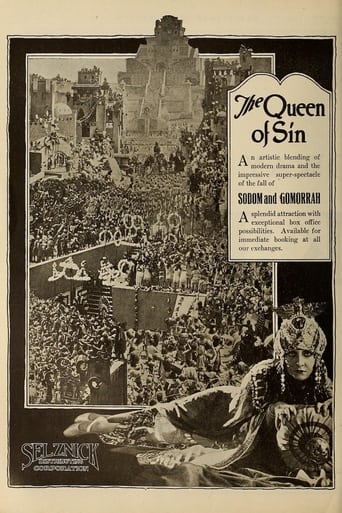
Titles linked here include Sodom and Gomorrah (1922), The Joyless Street (1925) - as screenwriter.
When was Béla Balázs born and when did he die?
Born August 4, 1884; died May 17, 1949.
What awards did Béla Balázs win?
Balázs was posthumously awarded the Kossuth Prize in 1949, Hungary's most prestigious cultural award. The Hungarian government also established the Béla Balázs Award in his honor, which remains one of the highest distinctions for filmmakers in Hungary.
What was Béla Balázs's contribution to film theory?
Balázs revolutionized film theory by emphasizing the visual and emotional power of cinema, particularly through his analysis of close-ups and facial expression. His book 'Visible Man' (1924) argued that film could create a new universal language through visual means, establishing him as one of the first serious theorists to treat cinema as an art form.
Did Béla Balázs work with any famous directors?
Yes, Balázs collaborated with several prominent European directors, most notably G.W. Pabst on 'The Joyless Street' (1925) and 'Pandora's Box' (1929). He also worked with Michael Kertész (later Michael Curtiz) and was involved in the artistic circles that included many major European filmmakers of the 1920s.
How did politics affect Béla Balázs's career?
Balázs's involvement with the Hungarian Soviet Republic in 1919 forced him into exile and significantly shaped his career. He lived in Vienna, Berlin, and later the Soviet Union, with his work being banned in several countries due to his political views. His political activities made him a target for both conservative and fascist regimes throughout his life.