Rasmus Breistein
Director
- Born
- November 16, 1890, Volda, Norway
- Died
- May 21, 1965
- Active
- 1920-1939
Films directed 1
About Rasmus Breistein
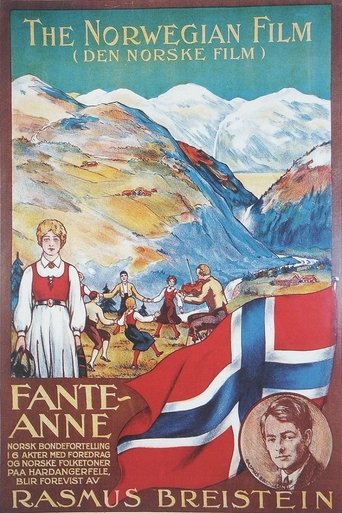
Rasmus Breistein was a Norwegian film director, playwright, and stage performer who became one of the foundational figures in the early history of Norwegian cinema. Born in 1890, he entered filmmaking in the silent era and quickly established himself as a director with a strong interest in Norwegian folk culture, rural life, and national identity. His debut feature, Fante-Anne (1920), is widely regarded as a landmark in Norwegian film history and helped define a specifically Norwegian screen tradition at a time when the country’s film industry was still developing. Breistein continued to work through the silent era and into the early sound period, directing films that often emphasized local settings, folklore, and emotionally direct storytelling. He was also active in theater and was associated with stage performance and dramatization, which informed the dramatic structure of his films. Beyond his directing work, he contributed to the cultural life of Norway as a writer and theatrical artist, making him an important early multimedia figure in Scandinavian arts. His films remain significant for their role in establishing a national cinema in Norway and for preserving visual traces of rural Norwegian life in the early 20th century.
More about Rasmus Breistein
Behind the camera
Breistein’s directing style is generally associated with naturalistic storytelling, folkloric themes, and a strong attention to Norwegian rural settings and local customs. His films often blend melodrama with ethnographic detail, using landscape, costume, and community life as integral parts of the narrative. As a director of the silent era, he relied on expressive visual composition and clear storytelling rather than formal experimentation, favoring emotional accessibility and cultural authenticity. His work is often described as foundational rather than avant-garde: important for establishing a national cinema identity, especially through themes that felt distinctly Norwegian. In later years, his approach reflected the craftsmanship of a stage-trained storyteller who valued dramatic clarity, character conflict, and cultural specificity.
In film history
Rasmus Breistein occupies a crucial place in Norwegian film history because he helped shape the idea of a specifically national cinema. At a time when many countries were still defining their screen identities, his films foregrounded Norwegian landscapes, dialects, customs, and rural communities, making local culture central to the cinematic experience. Fante-Anne in particular became an emblem of early Norwegian filmmaking because it demonstrated that indigenous stories could sustain a feature-length production with emotional appeal and artistic credibility. His work also contributed to the preservation of cultural memory, offering modern viewers visual evidence of clothing, social rituals, and environments from a formative period in Norwegian history. In this sense, his impact goes beyond entertainment: he helped legitimize film as a medium for cultural self-definition in Norway.
Later reputation
Breistein’s legacy rests on his status as one of the founding directors of Norwegian cinema and as a filmmaker whose work helped establish a national tradition that later directors could build upon. Even though his name is less internationally famous than some major European silent-era auteurs, his importance within Scandinavian film history is substantial and enduring. His films are still referenced by historians for their role in the development of domestic feature production and for their integration of literary, folkloric, and rural motifs. The preservation and discussion of Fante-Anne and other titles ensure that he remains part of the canon of early Nordic cinema. His career demonstrates how regional filmmakers could create culturally resonant work that shaped national identity long before the modern era of film prestige.
Influence
Breistein influenced later Norwegian and Scandinavian filmmakers by proving that local stories and landscapes could sustain serious cinematic treatment. His emphasis on rural authenticity and folk-inflected drama anticipated later national cinema movements that sought to balance popular appeal with cultural specificity. Directors interested in heritage cinema, literary adaptation, and regional realism can be seen as working in a tradition that he helped pioneer. His films also influenced how Norwegian cultural institutions and historians think about the origins of the country’s screen heritage, making him an enduring reference point in discussions of film identity and preservation.
Off screen
Rasmus Breistein was closely associated with Norwegian cultural life, particularly theater and folk-oriented storytelling, but detailed information about his private family life is less consistently documented in widely available film references. He is best known publicly for his artistic work rather than for a heavily publicized personal life. Because of the historical period in which he lived, surviving documentation tends to emphasize his professional contributions to stage and screen more than intimate biographical detail. He is remembered primarily as a cultural craftsman and national filmmaker rather than as a celebrity figure in the modern sense.
Education
Specific formal education details are not widely documented in standard film references; he is generally discussed in terms of his practical experience in theater, performance, and filmmaking rather than a recorded academic background.
Credits
- Directed Fante-Anne (1920), one of the landmark films of early Norwegian cinema and a cornerstone of his reputation
- Helped establish a national screen language rooted in Norwegian rural life, folklore, and local social realities
- Worked during the crucial transition from silent film to sound cinema in Norway
- Extended his artistic career beyond film into theater and dramatization, reinforcing his status as a broad cultural figure
- Created films that are frequently cited in histories of Scandinavian cinema for their historical and cultural importance
Films
- Fante-Anne (1920)
- Brudeferden i Hardanger (1926)
- Fjeldeventyret (1927)
- Ungen (1938)
Honors
- Recognized in film history as a pioneer of Norwegian national cinema
- Frequently included in retrospectives and scholarly histories of Scandinavian silent film
Collaborators
- Norwegian stage and screen performers associated with early national cinema productions
- Writers and dramatists adapting Norwegian literary and folkloric material
Studios
- Norwegian film production companies active in the silent and early sound era
Notes
- His debut feature Fante-Anne (1920) is considered a milestone in Norwegian silent cinema.
- He is often discussed as a pioneer of a distinctly Norwegian national film style.
- Breistein’s work frequently drew on rural environments and folk themes rather than urban modernity.
- He worked across both film and theater, which helped shape his dramatic sensibility.
- His career bridged the silent era and the early sound period in Norway.
- He is especially important to film historians interested in Nordic cultural identity on screen.
- Many of his best-known films are valued as historical documents as much as artistic works.
- Although significant in Norwegian cinema history, he is less internationally known than many major Hollywood contemporaries.
Questions
Who was Rasmus Breistein?
Rasmus Breistein was a Norwegian film director, playwright, and stage performer who is regarded as one of the pioneers of Norwegian cinema. He is best known for directing Fante-Anne (1920), a landmark silent film that helped establish a national screen tradition in Norway.
What films is Rasmus Breistein best known for?
He is best known for Fante-Anne (1920), his landmark debut feature, along with Brudeferden i Hardanger (1926), Fjeldeventyret (1927), and Ungen (1938). These films are especially noted for their connection to Norwegian folklore, literature, and rural life.
When was Rasmus Breistein born and when did he die?
He was born on November 16, 1890, in Volda, Norway, and died on May 21, 1965. His career spanned the silent era and extended into early Norwegian sound cinema.
What awards did Rasmus Breistein win?
No major international awards are widely documented for him in standard reference sources. His recognition comes mainly through historical esteem, scholarly attention, and his status as a foundational figure in Norwegian film history.
What was Rasmus Breistein's directing style?
Breistein’s directing style was rooted in naturalism, folklore, and strong visual storytelling. He favored rural settings, emotionally direct drama, and a distinctly Norwegian cultural atmosphere, making his films feel both locally authentic and historically important.
What was Rasmus Breistein's legacy in film history?
His legacy is that of a pioneer who helped define Norwegian cinema at a formative moment in its history. His work showed that Norwegian stories, landscapes, and traditions could support feature filmmaking and become part of a national cinematic identity.