1920 · Approximately 100 minutes; exact surviving running time may vary by restoration or print source

Also available on: Archive.org
Fante-Anne

Fante-Anne

1920 Approximately 100 minutes; exact surviving running time may vary by restoration or print source Norway
Orphanhood and belongingClass difference and social judgmentMoral inheritance and identityRural community lifeRomance and social constraint

Plot

An orphaned girl named Anne is brought as an infant to the Storlein farm by her mother, who is exhausted and seeking shelter after traveling with her child. The farm family turns them away, and the mother spends the night in the barn with Anne, dying before morning. Found by the farmhand Jon, the child is taken in and raised by the Storlein household, growing up under their care but also within a rigid social order that leaves her vulnerable to both affection and exploitation. As Anne becomes a young woman, her life becomes entangled with class tensions, romantic feelings, and suspicions connected to crime and family honor, forcing her to confront the truth of her origins and the moral divisions within the community. The film unfolds as a rural melodrama in which innocence, social standing, and desire collide, leading to emotional conflict and eventual reckoning.

About the Production

Release Date 1920
Production Norsk Film
Filmed In Norway; likely filmed on location in rural Norwegian settings and studio interiors associated with Norwegian production practice of the period

Fante-Anne was directed by Rasmus Breistein, one of the key figures in early Norwegian cinema, and is widely regarded as an important silent-era national film. The production belongs to the period when Norwegian filmmakers were actively developing a distinctly local screen tradition through rural stories, folk culture, and landscape imagery. Like many Scandinavian silent films of the era, it likely combined on-location exterior work with controlled interior scenes, emphasizing authenticity in costumes, farm life, and regional atmosphere. Precise budget, box-office figures, and detailed production records are not widely documented in readily accessible sources, which is typical for surviving information on early 1920s Nordic cinema.

Historical Background

Fante-Anne was made in 1920, in the aftermath of World War I and during a period when national cinemas across Europe were seeking their own identity amid the dominance of American imports. Norway's film culture was still relatively young, and filmmakers were trying to define a cinematic language rooted in local landscapes, literature, and social life. Rural melodramas were especially significant because they presented Norwegian identity through farm communities, class relations, and the moral weight of inheritance and lineage. The film also belongs to the silent era before synchronized sound transformed film production and exhibition, so it reflects performance styles and visual storytelling methods characteristic of the time. In broader historical terms, the film matters because it documents how Norwegian cinema articulated national culture through story, setting, and character long before the industry became internationally prominent.

Why This Film Matters

Fante-Anne is culturally significant as part of the foundation of Norwegian feature cinema and as an example of how silent films helped shape ideas of national identity. Its focus on an orphaned girl raised in a rural household reflects common themes in Scandinavian storytelling: social vulnerability, moral judgment, fate, and the relationship between individuals and community. The film also contributes to the preservation of regional imagery and folk-inflected narrative traditions that would remain influential in Norwegian film culture. For historians, it is important not only as a melodrama but as evidence of early efforts to create cinema that felt authentically Norwegian in subject matter and atmosphere. Its place in film history is strengthened by the reputation of director Rasmus Breistein, whose works are often treated as essential to the development of the country's screen heritage.

Making Of

Fante-Anne emerged during a formative period for Norwegian filmmaking, when directors such as Rasmus Breistein were searching for a distinctly national cinematic style. Breistein's work often drew on rural settings, folk motifs, and local social structures, and this production appears to follow that pattern by using a farm-based narrative to explore identity and belonging. The film's silent format meant that much of its dramatic force had to be carried through expressive performance, composition, and staging rather than dialogue, which was a hallmark of the era. Surviving documentation on casting choices, shooting schedule, and production logistics is limited, but the film's continued mention in historical surveys suggests that it was well-regarded as part of Norway's early feature-film output. Its preservation in film-historical memory indicates that it was considered important enough to survive in archives or through later restoration efforts, unlike many other Scandinavian silent films that were lost.

Visual Style

The film is representative of early Scandinavian visual style, likely emphasizing natural light, composed tableau-like staging, and clear spatial relationships within the rural environment. Breistein's films are often associated with an attention to landscape and atmosphere, using exterior settings not merely as backgrounds but as expressive parts of the narrative. Silent-era cinematography in Norway commonly favored strong readability of action, careful framing of domestic and outdoor spaces, and emotionally legible body language. The film's farm setting would have allowed for contrasts between open countryside, enclosed interiors, and socially charged threshold spaces such as doorways, barns, and yards, all of which are especially effective in silent melodrama.

Innovations

The film's main significance is historical and stylistic rather than technological, but it reflects the mature use of silent-era visual storytelling in Norway. Its likely combination of location shooting and interior dramatization helped create a convincing rural world, which was a notable achievement for Norwegian production conditions of the time. The film also demonstrates the capacity of early feature cinema to sustain a complex emotional arc without dialogue, relying on performance, editing, and scenic composition. As part of Breistein's body of work, it stands as evidence of the development of a distinctly national production style rather than a technical innovation in the narrow sense.

Music

As a silent film, Fante-Anne did not have a synchronized recorded soundtrack at the time of release. Musical accompaniment would have been provided live in theaters, varying according to venue, available musicians, and local exhibition practice. Modern screenings may use commissioned scores, archival accompaniment, or newly created music, but there is no single universally standard original soundtrack known to survive. Because of this, music history for the film is tied more to performance tradition than to a fixed studio-composed score.

Famous Quotes

As a silent film, no definitive spoken quotes are preserved in the film itself.
Any intertitles used in original exhibition versions vary by surviving print and archival source.

Memorable Scenes

  • The opening abandonment sequence in which Anne's mother is turned away from the Storlein farm and left to shelter in the barn with her child.
  • The discovery of the mother and infant by the farmhand Jon the next morning, a scene that establishes the film's emotional and moral stakes.
  • Anne's upbringing on the farm, where her place in the household reflects both care and social vulnerability.
  • The scenes in which Anne's origins and standing become central to the drama, linking private feeling to community judgment.
  • The rural exteriors that frame the story with a strong sense of Norwegian landscape and seasonal atmosphere.

Did You Know?

  • Fante-Anne is considered one of the landmark films of early Norwegian silent cinema and is frequently discussed in histories of the national film tradition.
  • Rasmus Breistein became especially known for films that adapted Norwegian rural life and folk material, and this film fits squarely within that artistic approach.
  • The film is associated with the tradition of Nordic rural melodrama, where nature, social hierarchy, and personal honor are as important as the romantic plot.
  • The title refers to Anne's humble, socially stigmatized origins, with 'fante' carrying connotations of itinerant or outsider status in Norwegian usage.
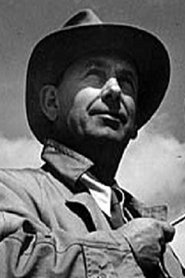
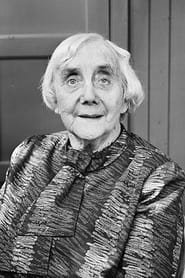
  • Aasta Nielsen is credited in connection with the film's cast in some sources, though historical spelling and record variations can appear across references to early Norwegian cinema.
  • Early Norwegian silent films often relied on natural landscapes and recognizable local environments, and Fante-Anne is remembered for contributing to that visual identity.
  • The film helped establish Breistein's reputation as a director capable of blending popular melodrama with cultural nationalism.
  • Because it is a silent film from 1920, the original musical accompaniment would have depended on theater practice rather than a single universally fixed soundtrack.
  • As with many films from the silent era, modern information about exact release dates, print history, and original marketing is incomplete or inconsistent across archives.
  • The film is a useful example of how Scandinavian cinema of the period often centered women whose identities are shaped by class, birth, and community judgment.

What Critics Said

Contemporary critical reception is not extensively documented in surviving mainstream sources, but the film has been treated positively by later historians as a significant silent-era Norwegian production. It is generally regarded as one of Breistein's important works and as a meaningful example of early national cinema. Modern critical discussion tends to emphasize its rural setting, melodramatic structure, and historical value rather than a detailed record of contemporary newspaper reviews. In retrospective assessments, the film is often appreciated for the way it combines emotional storytelling with a strong sense of place and social environment.

What Audiences Thought

Direct evidence of audience response from the original 1920 release is limited, but the film's place in the historical record suggests it reached enough attention to remain notable in Norwegian cinema histories. Silent-era rural melodramas were often popular with local audiences because they reflected recognizable social types, landscapes, and moral conflicts. The film's emotional premise, centered on an abandoned child and questions of belonging, would likely have resonated strongly with viewers of the time. Today, audiences who encounter the film typically do so through archival screenings, retrospectives, or scholarly interest, where it is valued as a rare surviving artifact of early Scandinavian cinema.

Film Connections

Influenced By

  • Norwegian rural literature and folk storytelling traditions
  • Early Scandinavian silent melodramas
  • Stage melodrama conventions emphasizing moral conflict and social fate
  • Contemporary national cinema movements seeking local authenticity

This Film Influenced

  • Later Norwegian rural dramas influenced by national cinema traditions
  • Subsequent Scandinavian films centered on landscape, class, and identity
  • Retrospective work by later filmmakers drawing on folk realism and rural melodrama

Film Restoration

The film is not known to be lost and is generally regarded as surviving in archival form, though the completeness and exact state of surviving materials may vary by source and print. Like many silent films, it may exist in preserved or restored versions that differ slightly in running time and intertitle content.

Themes & Topics

orphanfarm liferural melodramaclass conflictNorwegian silent filmidentity