
Helen Keller
Actor
Born: June 27, 1880 in Tuscumbia, Alabama, USA Died: June 1, 1968 Active: 1919-1919 (Film career) Birth Name: Helen Adams Keller
Films
1 film
About Helen Keller
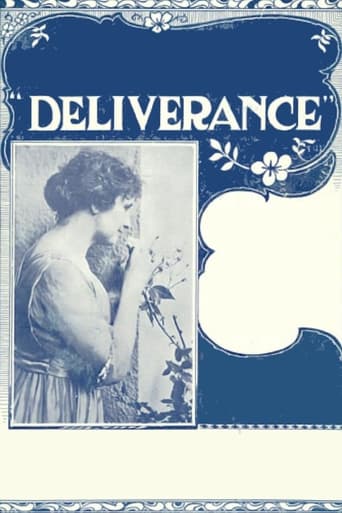
Helen Adams Keller — American author, political activist, and lecturer who became deaf and blind at 19 months old following an illness. Despite her profound disabilities, Keller learned to communicate through the tireless efforts of her teacher Anne Sullivan, famously dramatized in the play and film 'The Miracle Worker.' She graduated cum laude from Radcliffe College in 1904, becoming the first deaf-blind person to earn a Bachelor of Arts degree. Keller went on to become a world-renowned author, publishing 14 books including 'The Story of My Life' (1903) and becoming a prominent advocate for people with disabilities, women's suffrage, and labor rights. Her appearance in the 1919 silent film 'Deliverance' marked her brief but significant foray into cinema, where she portrayed herself in this biographical production. Throughout her life, Keller traveled to 39 countries, meeting with world leaders and inspiring millions with her message of perseverance and hope. She remained active in public life until her death in 1968, leaving an indelible mark on disability rights and human rights advocacy.
The Craft
On Screen
Naturalistic and authentic performance, appearing as herself in the biographical film 'Deliverance' with minimal theatrical affectation, instead presenting her genuine mannerisms and communication methods including finger spelling and tactile sign language.
Milestones
- Graduated cum laude from Radcliffe College (1904)
- Published autobiography 'The Story of My Life' (1903)
- Appeared in biographical film 'Deliverance' (1919)
- Co-founded Helen Keller International (1915)
- Awarded Presidential Medal of Freedom (1964)
- Met with 13 U.S. Presidents
- Traveled to 39 countries as goodwill ambassador
Best Known For
Iconic Roles
Must-See Films
Accolades
Won
- Presidential Medal of Freedom (1964)
- Presidential Medal of Honor (1965)
- Elected to National Women's Hall of Fame (1973)
Nominated
- Nobel Peace Prize nomination (1953)
Special Recognition
- Alabama Women's Hall of Fame (1971)
- Statue in U.S. Capitol Building (2009)
- Time Magazine 100 Most Important People of 20th Century
- Helen Keller Day proclaimed by presidential decree (1980)
Working Relationships
Worked Often With
Studios
Why They Matter
Impact on Culture
Helen Keller's appearance in 'Deliverance' (1919) was groundbreaking as it featured an actual person with disabilities portraying themselves on screen, challenging prevailing stereotypes and prejudices. The film provided audiences with an authentic representation of deaf-blind life, educating the public about the capabilities of people with disabilities. Keller's celebrity status and media presence helped transform public perception of disability from pity to admiration and respect. Her advocacy work, combined with her film appearance, contributed significantly to the early disability rights movement and helped pave the way for greater inclusion and representation in American society.
Lasting Legacy
Helen Keller's legacy extends far beyond her brief film career, encompassing her transformative impact on disability rights, education, and social justice. Her autobiography and numerous publications continue to inspire readers worldwide, while organizations like Helen Keller International carry forward her humanitarian work. The story of her life has been adapted multiple times for stage and screen, most notably in 'The Miracle Worker,' ensuring her story reaches new generations. Keller's advocacy helped establish precedents for accessibility and inclusion that continue to influence disability rights legislation and social policy. Her image has appeared on U.S. Quarters and stamps, cementing her status as an American icon of perseverance and achievement.
Who They Inspired
Helen Keller influenced countless individuals with disabilities by demonstrating that physical limitations need not restrict intellectual or social achievement. Her success inspired the development of specialized educational approaches for deaf-blind individuals and influenced the creation of support services for people with disabilities. Many prominent disability rights activists and educators have cited Keller as their primary inspiration. Her advocacy for social justice also influenced the broader civil rights movement, demonstrating the interconnectedness of various struggles for equality. Keller's ability to communicate her experiences helped bridge the gap between the disabled and non-disabled communities, fostering greater understanding and empathy.
Off Screen
Helen Keller never married, dedicating her life to her work and advocacy. She maintained a close lifelong relationship with her teacher and companion Anne Sullivan, who remained with her until Sullivan's death in 1936. After Sullivan's passing, Keller was assisted by Polly Thomson, who had been their secretary. Keller lived primarily in Forest Hills, Queens, New York, and later in Westport, Connecticut. She was a member of the Socialist Party of America and supported many progressive causes throughout her life.
Education
Did You Know?
- 'Deliverance' was one of the first films to feature a person with disabilities as the main character
- Keller learned to speak by feeling the vibrations of her teacher's throat
- She could read five different languages using Braille
- Keller was friends with Mark Twain, who helped secure her college education funding
- She was a founding member of the American Civil Liberties Union (ACLU)
- Keller wrote over 400 articles and essays during her lifetime
- She was the first deaf-blind person to earn a bachelor's degree
- Keller met every U.S. President from Grover Cleveland to Lyndon B. Johnson
- She performed vaudeville shows to raise money for the blind
- Keller was investigated by the FBI for her socialist political views
- She appeared on the cover of Time Magazine in 1932
- Keller's birthplace, Ivy Green, is now a museum and National Historic Landmark
In Their Own Words
The best and most beautiful things in the world cannot be seen or even touched - they must be felt with the heart.
Alone we can do so little; together we can do so much.
Character cannot be developed in ease and quiet. Only through experience of trial and suffering can the soul be strengthened, ambition inspired, and success achieved.
What we have once enjoyed deeply we can never lose. All that we love deeply becomes part of us.
Life is either a daring adventure or nothing at all.
Security is mostly a superstition. It does not exist in nature. Life is either a daring adventure or nothing.
Frequently Asked Questions
Who was Helen Keller?
American author, political activist, and lecturer who became deaf and blind as an infant. She overcame her disabilities to become a world-renowned advocate for people with disabilities, women's rights, and social justice, and briefly appeared as herself in the 1919 film 'Deliverance'.
What films is Helen Keller best known for?
Titles linked here include Deliverance (1919).
When was Helen Keller born and when did she die?
Born June 27, 1880; died June 1, 1968.
What awards did Helen Keller win?
Helen Keller received numerous honors including the Presidential Medal of Freedom (1964), the Presidential Medal of Honor (1965), and was posthumously inducted into the National Women's Hall of Fame. She was also nominated for the Nobel Peace Prize in 1953 for her humanitarian work.
What was Helen Keller's acting style?
Helen Keller's acting style in 'Deliverance' was naturalistic and authentic, as she portrayed herself using her genuine communication methods including finger spelling and tactile sign language. Her performance was notable for its lack of theatrical affectation, presenting her real mannerisms and interactions with her teacher Anne Sullivan.