Films
1 film
About Flora Braidwood
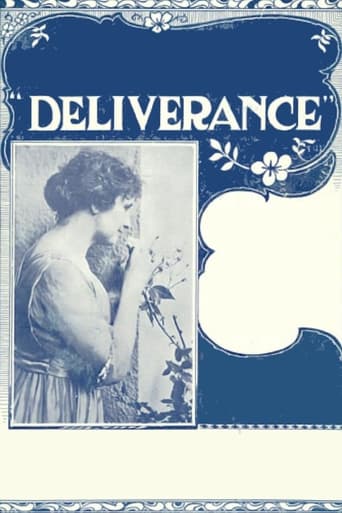
Flora Braidwood worked on one surviving credit: Deliverance (1919). The film itself was notable for its ambitious storytelling and was one of the early attempts to portray disability with sensitivity on screen. Braidwood's role, while not the lead, contributed to this production that attempted to educate audiences about blindness and deafness. Her career appears to have been limited to this single film credit, making her a representative example of many actors from the silent era who had brief but memorable appearances in historically significant productions. The limited documentation about her career is typical of many supporting actors from this period whose contributions were significant but not extensively recorded in film history archives.
The Craft
Milestones
- Appeared in the groundbreaking 1919 film 'Deliverance' about Helen Keller
Best Known For
Iconic Roles
Must-See Films
Why They Matter
Impact on Culture
Flora Braidwood's contribution to cinema, though limited to a single known film, was part of a historically significant production. 'Deliverance' (1919) was one of the earliest films to address disability with educational intent and sensitivity, helping to raise public awareness about Helen Keller's remarkable life story. The film represented an important step in cinema's evolution from pure entertainment to a medium capable of social education and advocacy. While her role was not central, Braidwood's participation in this effort places her within the broader context of early cinema's attempts to tackle meaningful social subjects.
Lasting Legacy
Flora Braidwood's legacy is preserved primarily through her association with the 1919 film 'Deliverance,' which remains an important artifact of early cinema's engagement with disability representation. While her individual contribution may have been small, she participated in a film that helped pave the way for more thoughtful portrayals of people with disabilities in motion pictures. Her career serves as a reminder of the countless supporting actors from the silent era who contributed to historically significant films but whose personal stories have been largely lost to time.
Who They Inspired
Due to the brevity of her known career, there is no documented evidence of Flora Braidwood directly influencing other actors or filmmakers. However, her participation in 'Deliverance' contributed to a film that likely influenced subsequent productions dealing with similar themes of overcoming adversity and disability representation.
Off Screen
Very limited information is available about Flora Braidwood's personal life, which is common for many supporting actors from the silent era whose careers were brief and not extensively documented in contemporary press.
Did You Know?
- Deliverance (1919) was based on the life of Helen Keller and was one of the first films to attempt a serious portrayal of disability
- The film was produced by George Loane Tucker and was considered quite progressive for its time
- Many actors from the silent era with brief careers like Braidwood's have limited surviving documentation
- Deliverance was notable for attempting to educate audiences about blindness and deafness
- The film included sequences attempting to represent Helen's sensory experiences
- Braidwood's career appears to have been limited to this single production in 1919
Frequently Asked Questions
Who was Flora Braidwood?
Silent film actress active in 1919, known primarily for her appearance in the film 'Deliverance,' which was based on the life of Helen Keller. Her career appears to have been brief, with this being her only documented film credit.
What films is Flora Braidwood best known for?
Titles linked here include Deliverance (1919).
When was Flora Braidwood born and when did she die?
Unfortunately, detailed biographical information about Flora Braidwood's birth and death dates is not available, which is common for many supporting actors from the silent era who had brief careers.
What awards did Flora Braidwood win?
There are no documented awards or nominations for Flora Braidwood, which is typical for many supporting actors from the silent era whose contributions were not formally recognized by the award systems of the time.
What was Flora Braidwood's acting style?
Due to the limited documentation of her career and the fact that her only known work is from the silent era, there is insufficient information to determine Flora Braidwood's specific acting style or techniques.
Why is Deliverance (1919) historically significant?
Deliverance (1919) is historically significant as one of the first films to seriously address disability, specifically depicting Helen Keller's life story with educational intent and relative sensitivity for the period, helping to raise public awareness about overcoming sensory limitations.