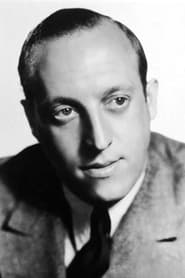
Sid Silvers
Actor
Born: January 16, 1901 in Brooklyn, New York, USA Died: August 20, 1976 Active: 1922-1960 Birth Name: Sidney Silvers
Films
1 film
About Sid Silvers
Versatile American comedian, actor, and screenwriter who became a fixture of the early sound era and the Golden Age of Hollywood. Born in Brooklyn in 1901, he rose to prominence in the 1920s vaudeville circuit as the 'stooge' to accordionist Phil Baker, a dynamic that later inspired the Martin and Lewis film 'The Stooge.' Silvers transitioned to Broadway in the mid-1920s, appearing in major revues like 'Artists and Models' and 'A Night in Spain' before moving to Hollywood during the transition to talkies. He made his film debut in 'The Show of Shows' (1929) and quickly became a sought-after character actor and script doctor, often playing the fast-talking, diminutive sidekick. Beyond acting, Silvers — prolific writer and lyricist, contributing to major MGM musicals such as 'Broadway Melody of 1936' and 'Born to Dance,' and even providing uncredited comedy material for 'The Wizard of Oz' (1939). His over four decades, evolving from the stage to the screen and eventually into television writing for stars like Mickey Rooney.
The Craft
On Screen
Silvers was known for his 'pint-sized' physical comedy and rapid-fire delivery. He specialized in playing the 'stooge' or the wisecracking urban sidekick, often utilizing his short stature (4'10") for comedic effect and physical contrast with leading men.
Milestones
- Formed a legendary vaudeville partnership with Phil Baker in the early 1920s
- Made Broadway debut in the revue 'Artists and Models' (1925)
- Co-wrote and starred in the hit MGM musical 'Broadway Melody of 1936'
- Contributed comedy material and dialogue to 'The Wizard of Oz' (1939)
- Wrote the story for the 1951 Dean Martin and Jerry Lewis film 'The Stooge'
- Served as a primary writer for 'The Mickey Rooney Show' in the 1950s
Best Known For
Iconic Roles
Must-See Films
Accolades
Won
- Box Office Blue Ribbon Award for 'Broadway Melody of 1936' (1935)
Nominated
- Writers Guild of America Award nomination for Best Written American Musical for 'The Stooge' (1951)
Special Recognition
- Recognized as a pioneer of the 'Stooge' comedy archetype in vaudeville history
Working Relationships
Worked Often With
Studios
Why They Matter
Impact on Culture
Silvers significantly impacted the structure of American comedy by refining the 'heckler' or 'stooge' role in vaudeville. His act with Phil Baker, where he would interrupt from the audience, became a foundational trope for double acts in the 20th century. Furthermore, his work as a script doctor and songwriter helped define the 'MGM Musical' aesthetic, blending sharp comedy with grand musical numbers.
Lasting Legacy
His most enduring legacy is the 1951 film 'The Stooge,' which immortalized his early career experiences. He is remembered as one of the few performers who successfully transitioned from being the face of the comedy to the 'brain' behind the scenes, writing successful scripts for some of the biggest stars of the 1930s and 40s.
Who They Inspired
He influenced a generation of comedy writers and performers, most notably Jerry Lewis, who studied the Baker-Silvers dynamic. His ability to craft dialogue that suited the rhythmic pacing of early sound films helped set the standard for the musical comedy genre.
Off Screen
Sid Silvers was born into a Jewish family in Brooklyn. He was the brother of the famous Academy Award-winning songwriter and composer Louis Silvers. He maintained a relatively private personal life despite his public career in comedy and writing, eventually returning to his roots in Brooklyn where he spent his final years.
Education
Educated in the New York City public school system before entering the vaudeville circuit as a teenager.
Family
- Information regarding specific spouses is not publicly documented in standard historical records
Did You Know?
- He stood only 4 feet 10 inches tall.
- His brother, Louis Silvers, composed the score for the first talkie, 'The Jazz Singer'.
- He was an uncredited contributor to the script of 'The Wizard of Oz'.
- The 1951 film 'The Stooge' is a semi-autobiographical look at his partnership with Phil Baker.
- He performed an Al Jolson impersonation in his film debut 'The Show of Shows' (1929).
- He wrote the lyrics for the Broadway show 'New Faces of 1936'.
- He was a frequent guest on Milton Berle's 'Texaco Star Theatre' in the late 1940s.
In Their Own Words
I wasn't just the guy getting hit; I was the guy making sure the hit landed with a laugh. (Regarding his role as a stooge)
In vaudeville, if you didn't have a hook, you had to have a heckler. I was the heckler.
Frequently Asked Questions
Who was Sid Silvers?
Prominent American comedian, with credits in this catalog. He is best remembered for his vaudeville partnership with Phil Baker and his work as a writer and performer in major MGM musicals.
What films is Sid Silvers best known for?
Titles linked here include Broadway Melody of 1936 (1935), Born to Dance (1936).
When was Sid Silvers born and when did he die?
Born January 16, 1901; died August 20, 1976.
What was Sid Silvers' acting style?
He was a physical comedian known for his short stature and fast-talking persona. He often played the 'stooge' or sidekick, a role he perfected in vaudeville before bringing it to the silver screen.
Did Sid Silvers win any awards?
While he did not win an Oscar, he received a Writers Guild of America nomination for 'The Stooge' and was part of several Box Office Blue Ribbon-winning productions at MGM.
What was Sid Silvers' contribution to 'The Wizard of Oz'?
Silvers served as an uncredited 'script doctor' and comedy writer, contributing special material and dialogue to help punch up the humor in the 1939 classic.