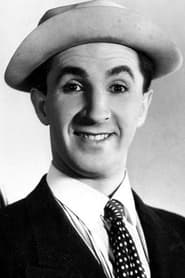
Dancing Sweeties
"Dancer who partners with Jazzbo"
Keys: Space play/pause · ←/→ 10s · F fullscreen · M mute · </> speed
About this film
Bill is a hot shot dancer who partners with Jazzbo, until he sees Molly at the dance. He enters the Waltz with Molly and wins first prize - and they wind up being married that same night. Now they are free of their parents nagging and their own bosses. 24 hours - no dancing as in-laws are visiting. 24 days - the Apartment is finished so off to the Hoffman's Parisian Dance Palace. Molly can only dance the Waltz and not the hot new jazz dance so she leaves and Bill follows. They are both unhappy, Bill has two left feet when it comes to romance.
Cast & crew
More films like this
More Romance films
View all →




More from Ray Enright
View all →
More about this film
About the production
Release dateJuly 19, 1930
Box officeReported as doing the best business in six weeks at the New York and Brooklyn Strand theatres during its opening run.
ProductionWarner Bros., The Vitaphone Corp.
Filmed inWarner Bros. Studios, Burbank, California
The film was based on the short story 'Three Flights Up' by Harry Fried. During production, it was known under the working titles 'Those Who Dance' and 'Three Flights Up'. Sue Carol, who was under contract to Fox Film at the time, was specifically loaned out to Warner Bros. For this production. The film is a notable example of the 'Pre-Code' era, featuring themes of impulsive marriage and youthful rebellion that were common before stricter censorship was enforced.
Themes
Youthful RebellionImpulsive MarriageGenerational ConflictCommercialization of RomanceUrban Escapism
Themes & topics
dance hallwaltz contestimpromptu weddingin-lawsapartment prizejazz agepre-codedancer
Historical background
Dancing Sweeties (1930) emerged during the studio-system peak and early sound decades, when exhibition habits and national film industries were still taking shape.
Why this film matters
Dancing Sweeties remains accessible through digital archives, giving modern viewers a direct link to 1930 screen culture.
Making of
Directed by Ray Enright, a veteran of the Warner Bros. Stable, the film was shot quickly to capitalize on the dance craze of the late 1920s. The production utilized the Vitaphone sound-on-disc system, which required actors to stay relatively close to hidden microphones, a challenge for a film centered on movement and dancing. Cinematographer Robert Kurrle, who was becoming Warner's top cameraman, used innovative lighting to make the dance hall sequences feel expansive despite the technical limitations of early sound recording. The script underwent several revisions, moving away from a purely musical format to a more dialogue-heavy 'comedy-drama' to suit the changing tastes of 1930 audiences.
What critics said
Where contemporary reviews survive, Dancing Sweeties is discussed in terms of audience appeal at release; later criticism often reframes it through archive restoration and festival programming.
Did you know?
- The film was originally intended to feature the song 'Dancing With Tears in My Eyes', but executives removed it because the sentiment was considered too melancholy for the film's lighthearted tone.
- Sue Carol, the female lead, later became a successful talent agent and was the wife of actor Alan Ladd.
- The film features an early appearance by Sid Silvers, who plays the fast-talking dance hall manager Jerry Brown.
- It is one of the few films from 1930 that does not feature an on-screen Warner Bros. Logo; instead, it uses an in-credit notice.
- The plot's central conflict—a 'waltz' vs. 'jazz' dance style—reflected the real-world cultural shift occurring in dance halls during the early 1930s.
- The film was released during a period when the public's interest in 'all-talking, all-singing' musicals was beginning to wane, leading Warner Bros. To market it more as a comedy-drama.
- The apartment won by the couple was a common promotional gimmick in real-life dance marathons of the era.
- Grant Withers and Sue Carol were both rising stars of the early sound era, though Withers' career would later shift into character roles in B-movies and Westerns.
Visual style
Photographed by Robert Kurrle, the film features surprisingly fluid camera work for an early talkie. Kurrle used wide shots to capture the scale of 'Hoffman’s Parisian Dance Palace' and employed tracking shots to follow the dancers, a difficult feat given the bulky sound-shielded cameras of 1930. The lighting in the dance hall scenes is designed to create a vibrant, high-energy atmosphere that contrasts with the more static, shadowed lighting of the couple's cramped new apartment.
Innovations
The film is a notable example of the Vitaphone sound-on-disc process at its peak. It successfully integrated live musical performance with dialogue-heavy scenes, overcoming the 'static' nature of many early talkies. The synchronization of the dance steps with the musical score was considered a high technical standard for the time.
Music
The soundtrack features music by Cecil Copping and Rex Dunn, with lyrics by the Al Dubin and music by Joe Burke. The standout track is 'The Kiss Waltz,' which became a popular hit independently of the film. Other musical moments include 'I'll Be Reminded of You' and various jazz numbers played by the dance hall band. The film's music was originally recorded on Vitaphone discs, which provided a rich, synchronized audio experience for 1930 audiences.
Famous quotes
Jerry Brown: 'This is the place where the old feel young and the young feel natural!'
Molly O'Neil: 'I'm fed up with this thing.. All they think of is dancing and jazz!'
Bill Cleaver: 'What a swell spot for Cleaver's cups!'
Memorable scenes
- The opening sequence at Hoffman's Parisian Dance Palace, which establishes the high-energy, competitive atmosphere of the 1930s dance hall culture.
- The 'impromptu' wedding ceremony held on the dance floor, where Bill and Molly trade their freedom for a furnished apartment in front of a cheering crowd.
- The final waltz contest where the couple must decide between their pride as dancers and their love for each other.
What audiences thought
The film was a commercial success in urban centers, particularly in New York and Brooklyn, where it broke attendance records for the Strand theatres. Audiences were drawn to the relatable 'boy meets girl' story and the popular music of the era. The 'impulsive marriage' trope was particularly popular with young moviegoers who identified with the protagonists' desire to escape their parents' homes.
Film connections
Influenced by
- The Jazz Singer (1927)
- Our Dancing Daughters (1928)
This film influenced
- Strictly Ballroom (1992)
- Step Up (2006)
Film restoration
The film is preserved and survives in its entirety. It is held in the collection of the Library of Congress and has been digitally restored.
Where to watch
- Warner Archive Collection (DVD)
- Turner Classic Movies (TCM) periodic broadcasts
- Available for digital rental/purchase on some platforms