
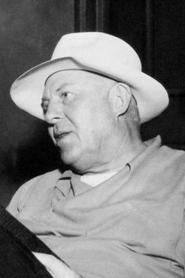
Ray Enright
Director
Born: March 25, 1896 in Anderson, Indiana, USA Died: April 3, 1965 Active: 1921-1953 Birth Name: Raymond Enright
Films
3 films
About Ray Enright
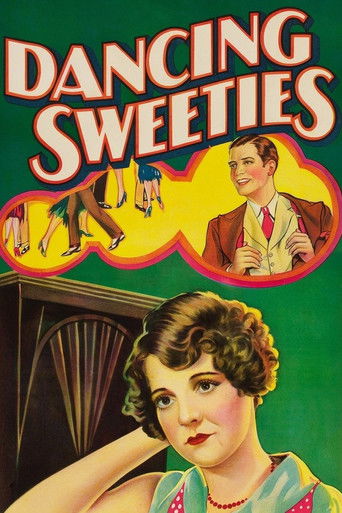
Prolific American film director and editor: from the silent era through the early 1950s, primarily known for his versatility in handling musicals, comedies, and high-octane Westerns. He began his cinematic journey in the cutting room at Mack Sennett's studio, where he honed a sharp sense of timing and rhythm that would define his later directorial work. After serving in the Signal Corps during World War I, Enright joined Warner Bros. In its infancy, initially working as an editor and gag man before transitioning to the director's chair in 1927. During the early sound era, he became a reliable 'house director' for Warner Bros., successfully navigating the technical challenges of early talkies like 'Golden Dawn' and 'Dancing Sweeties.' His career reached a peak in the 1930s and 1940s as he directed major stars such as Marlene Dietrich, John Wayne, and Randolph Scott in landmark films like 'The Spoilers' (1942). Enright was celebrated for his efficiency, his ability to manage large-scale action sequences, and his knack for bringing out charismatic performances in rugged outdoor dramas.
The Craft
Behind the Camera
Enright was known for a fast-paced, economical directing style that prioritized narrative momentum and physical action. Having started as an editor, he possessed an innate understanding of how to shoot for the cut, which made his films feel energetic and tightly paced. He excelled at managing complex ensemble casts and was particularly adept at staging large-scale brawls and outdoor spectacles. While he was a studio craftsman who followed scripts closely, he brought a distinctive vigor to the Western genre, often emphasizing rugged landscapes and masculine conflict.
Milestones
- Started as an editor for Mack Sennett's legendary comedy shorts
- Directed the early Technicolor musical 'Golden Dawn' (1930)
- Helmed the quintessential 1930s musical 'Dames' (1934) featuring Busby Berkeley choreography
- Directed the iconic 1942 version of 'The Spoilers' featuring the famous fight between John Wayne and Randolph Scott
- Successfully transitioned from slapstick comedy to gritty Westerns and Noir-tinged dramas
- Directed five films starring Randolph Scott, helping solidify Scott's persona as a Western icon
Best Known For
Must-See Films
Accolades
Won
- BoxOffice Blue Ribbon Award for 'The Iron Major' (1943)
Special Recognition
- Recognized as. During the 1930s
- Inducted into the Indiana Film Pioneers registry
Working Relationships
Worked Often With
Studios
Why They Matter
Impact on Culture
Ray Enright played a significant role in defining the 'Warner Bros. Look' of the 1930s—a style characterized by grit, speed, and social realism mixed with escapist entertainment. His work on 'Dames' helped popularize the lavish musical spectacles that kept American audiences hopeful during the Great Depression. Furthermore, his 1942 direction of 'The Spoilers' set a high-water mark for action cinema, specifically the cinematic 'barroom brawl,' which influenced how action sequences were choreographed for decades to come.
Lasting Legacy
Enright's legacy is that of the ultimate Hollywood professional who mastered the transition from silent films to sound. While often overshadowed by 'auteur' directors, film historians recognize Enright as a vital architect of the Western genre's mid-century resurgence. His films are frequently cited in studies of 1930s studio production for their technical proficiency and their ability to blend different genres, such as the musical-comedy or the action-drama, into seamless commercial successes.
Who They Inspired
His editing-first approach influenced a generation of directors who prioritized 'cutting in the camera' to save time and money while maintaining high energy. His collaboration with Randolph Scott helped refine the 'stoic Western hero' archetype that would later be expanded upon by directors like Budd Boetticher.
Off Screen
Ray Enright was known as a private and professional individual who maintained a steady career within the Hollywood studio system. He was married to Ruth Enright, and they remained together until his death in 1965. Unlike many of his contemporaries, Enright avoided the tabloid scandals of the era, preferring to focus on his technical craft and his reputation as a dependable director who could bring projects in on time and under budget.
Education
Public schools in Los Angeles, California
Family
- Ruth Enright (married until 1965)
Did You Know?
- He served in the United States Army Signal Corps during World War I, where he likely gained further experience with cameras and film processing.
- Enright directed the first film version of 'The Spoilers' to be made in sound with a major budget.
- He was one of the few directors who could successfully work with the temperamental and highly technical Busby Berkeley.
- Before becoming a director, he was the head of the film editing department at Warner Bros.
- He directed the film 'Gung Ho!', which was one of the first major Hollywood productions to depict the US Marine Raiders in WWII.
- He was known for his 'no-nonsense' attitude on set, which earned him the respect of tough-guy actors like John Wayne.
In Their Own Words
The secret to a good picture is knowing when to cut. If you linger too long, you lose the audience's heartbeat.
I don't make art; I make movies that people want to see on a Saturday night.
Frequently Asked Questions
Who was Ray Enright?
Prominent He is best remembered for his work at Warner Bros. And for directing high-energy Westerns and musicals.
What films is Ray Enright best known for?
Titles linked here include The Spoilers (1942), Dames (1934).
When was Ray Enright born and when did he die?
Born March 25, 1896; died April 3, 1965.
What awards did Ray Enright win?
While he did not win an Oscar, he received the BoxOffice Blue Ribbon Award for 'The Iron Major' (1943) and was highly regarded for his commercial success and technical reliability.
What was Ray Enright's directing style?
His style was defined by his background in film editing; he focused on fast pacing, tight narrative structures, and expertly choreographed action sequences, particularly in the Western genre.