Polin
Actor
- Active
- 1905-1905
Films 1
About Polin
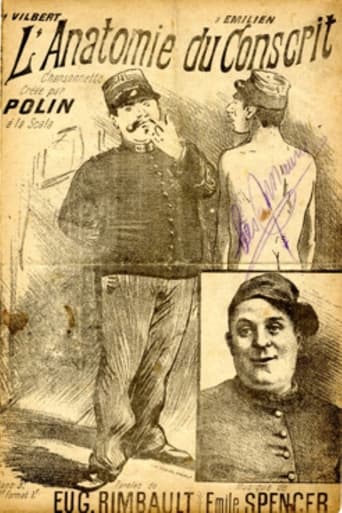
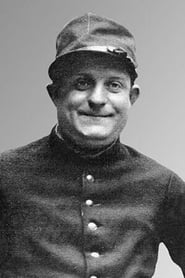
Polin is a very obscure early film performer known from a single surviving cataloged credit, appearing as an actor in the 1905 short film Polin Performs "The Anatomy of a Draftee." Because this name surfaces in the earliest years of motion-picture production, information about his personal life, training, and broader career is extremely scarce and does not appear to survive in standard reference sources. The surviving record suggests that he was part of the live-performance and vaudeville culture that fed early cinema, when film companies often hired specialty entertainers, monologists, comedians, and stage performers for brief comic or novelty subjects. No reliable documentation has been found for his birth date, death date, birthplace, or full legal name, and it is possible that "Polin" was a stage name or a billing name rather than a complete identity. He does not appear to have built a large surviving screen career, or at least one that can be reconstructed from extant filmographies. As a result, Polin is remembered primarily as a trace figure in the pre-feature silent era, representative of the many early performers whose work survives only in fragmentary form. His importance lies less in celebrity than in the historical value of his credited appearance in one of the formative years of American film.
More about Polin
On screen
No detailed descriptions of Polin's acting style survive in accessible historical reference material. Based on the context of 1905 film comedy and specialty performance, his work was likely broad, physical, and rooted in stage entertainment traditions such as vaudeville, monologue, or comic sketch performance. Early cinema performers of this type often relied on exaggerated gestures, clear pantomime, and direct visual humor to communicate quickly in short-format films. Any more specific assessment would be speculative.
In film history
Polin's cultural impact is best understood as historical rather than celebrity-driven. He is part of the vast population of early motion-picture performers whose names survive only in a handful of credits, helping document how the film industry drew talent from live entertainment in the mid-1900s. His appearance in a 1905 subject also reflects the transitional moment when cinema was experimenting with short comic, topical, and novelty pieces that depended on instantly readable performance styles. Even with limited surviving information, such performers are valuable to film history because they reveal the texture of early screen culture and the kinds of acts audiences encountered before the star system fully matured.
Later reputation
Polin's legacy lies in the archival footprint he leaves rather than in a large body of known work. He is an example of an early cinematic performer whose identity has become faint over time, illustrating the challenges historians face when reconstructing the silent era's personnel. The fact that he is credited at all suggests that he was considered notable enough within the production context to be named, which itself is historically significant. For researchers of early cinema, figures like Polin help map the performance networks that connected vaudeville, theater, and the infant film industry. His surviving credit preserves a small but meaningful piece of motion-picture history.
Influence
There is no documented evidence of Polin directly influencing later actors or directors in a way that can be specifically traced. His broader influence is indirect: performers like him helped establish the physical, sketch-based, and visually immediate acting conventions that shaped silent film comedy and short-form entertainment. The early screen acting culture he participated in contributed to the development of cinematic performance as a distinct medium, separate from stage presentation.
Off screen
No reliable biographical material about Polin's personal life has been located in standard film histories or reference databases. Information about marriages, children, education, and family background is not currently available. Because he appears in the historical record only through a single early screen credit, it is difficult to reconstruct whether he also worked in vaudeville, on stage, or under another professional name. Further archival research in trade papers, studio records, or local theater listings would be required to clarify his identity.
Credits
- Credited as an actor in the 1905 short Polin Performs "The Anatomy of a Draftee."
- Represents one of the many early film performers whose work belongs to the first decade of narrative and novelty cinema.
- Associated with the stage-to-screen performance culture that shaped silent-era comic shorts and specialty acts.
Roles
- Polin in Polin Performs "The Anatomy of a Draftee" (1905)
Films
Notes
- Polin is known from an extremely limited early film record, with only one surviving cataloged 1905 credit readily associated with his name.
- His credited film title includes a topical subject, "The Anatomy of a Draftee," which suggests the kind of comic or satirical material common in early short subjects.
- He appears at a very early stage in film history, before the feature-length system and before many modern record-keeping practices were standardized.
- No widely accepted birth name, biography, or death information is readily available in mainstream reference sources.
- He may have been a stage or vaudeville performer whose screen work was limited to specialty appearances.
- Because so little survives, Polin is of special interest to archival film historians who study overlooked or poorly documented early performers.
Questions
Who was Polin?
Polin was an obscure early silent-era actor known from a 1905 film credit, Polin Performs "The Anatomy of a Draftee." Very little else is known about his life or career, which makes him one of many early film figures preserved only in fragmentary historical records.
What films is Polin best known for?
He is best known, and effectively only documented, for Polin Performs "The Anatomy of a Draftee" (1905). No other reliably verified screen credits are readily associated with him in standard reference materials.
When was Polin born and when did he die?
His birth and death dates are not currently known from available reliable sources. The same is true for his birthplace and other basic biographical details.
What awards did Polin win?
No awards or formal honors are known for Polin. Given the extremely early date of his documented screen work and the scarcity of surviving information, he does not appear in the historical record as an award-recognized figure.
What was Polin's acting style?
No detailed modern description of his acting survives. Based on the era and the likely format of his 1905 film, his performance would have been shaped by broad physical expression, stage-derived gestures, and the visual clarity required by silent short subjects.
What is Polin's legacy in film history?
His legacy is archival and historical rather than star-based. He stands as a representative of early cinema's many under-documented performers, helping scholars understand the human network behind the medium's first years.