Marcel Varnel
Director
- Born
- 1892, Budapest, Austria-Hungary
- Died
- November 27, 1947
- Active
- 1920s-1947
Films directed 1
About Marcel Varnel
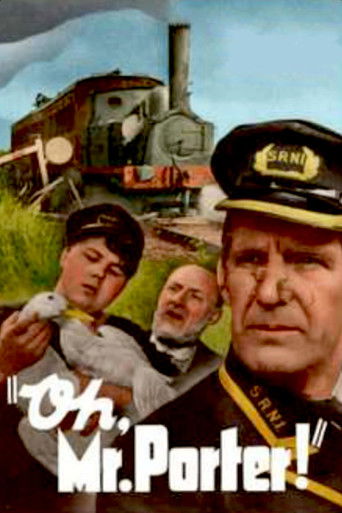
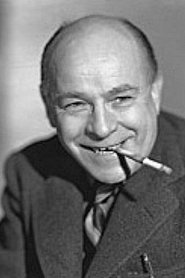
Marcel Varnel was a Hungarian-born film director who became one of the most important craftsmen of British popular cinema in the 1930s and early 1940s. Born in Budapest, he worked in Europe before establishing himself in Britain, where he developed a reputation for energetic, commercially tuned comedy and light entertainment. Varnel is especially remembered for directing some of the era’s best-loved British comic vehicles, including the enduring Will Hay farce Oh, Mr. Porter! (1937), which remains a landmark of prewar British screen comedy. His career encompassed a broad range of genre pictures, but he was at his strongest when orchestrating ensemble comedy, timing, and farcical escalation around strong performers. He worked steadily in the years before and during World War II, helping define a distinctly British screen humor that balanced wit, class-based comedy, and broad physical gags. Varnel died relatively young, cutting short a career that had become increasingly central to the British studio system’s comedy output. Despite not always receiving the same historical prominence as his stars, he is now recognized as a key director of classic British comedy.
More about Marcel Varnel
Behind the camera
Varnel’s directing style is best described as brisk, economical, and tightly organized, with a strong emphasis on comic rhythm and ensemble interplay. He had a gift for staging confusion, misunderstandings, and escalating absurdity without losing narrative clarity, which made him especially effective in farce and comedy vehicles. His films often rely on clear visual storytelling, clean staging, and a steady build of comic situations rather than ornate camera work. Varnel’s direction was also highly actor-friendly, allowing performers like Will Hay to dominate the screen while ensuring the supporting cast and plotting all contributed to the comic machinery. In the studio context of 1930s Britain, he was valued as a dependable professional who could deliver entertaining pictures with efficiency and polish.
In film history
Marcel Varnel’s cultural impact is tied chiefly to his role in crystallizing the tone of British screen comedy in the late 1930s and early 1940s. His films helped popularize a style of humor built on authority figures in disarray, institutional incompetence, and the comic collapse of social order, themes that resonated strongly with British audiences in the years before and during the war. Oh, Mr. Porter! in particular has become a durable cultural touchstone, frequently cited among the greatest British comedies and still remembered for its blend of nonsense, timing, and memorable character work. Varnel’s pictures provided a model for later British farce, demonstrating how tightly written scenario comedy could be paired with star-driven performance to create lasting popular success. Though his name is not always as widely known as the stars he directed, his influence survives in the lineage of British comic cinema that values pace, understatement, and escalating absurdity.
Later reputation
Varnel’s lasting legacy lies in his contribution to the golden age of British comedy and in the enduring popularity of the films he directed. Oh, Mr. Porter! remains a staple of classic British cinema appreciation and is often used to illustrate the strengths of prewar British farce at its best. His work also serves as a reminder of the importance of skilled studio directors who shaped the output of national cinema industries without always becoming household names themselves. Film historians continue to view him as an important craftsman whose films preserved a distinctive comic sensibility and helped define a key strain of British popular culture. In the broader history of classic cinema, he stands as one of the directors who made studio-era comedy dependable, disciplined, and still warmly entertaining decades later.
Influence
Varnel influenced later British comedy directors through his mastery of pacing, ensemble balance, and the visual management of confusion. His films helped establish a template for British farce in which respectable institutions, railway settings, military life, and small-town authority are gently mocked through escalating chaos. Performers who worked in his films benefited from his ability to give them space while keeping the mechanics of the story precise, a method that later comedy filmmakers continued to emulate. His work also helped show that British comedy could be both broadly accessible and distinctly national in character, influencing the tone of later screen humor in the UK.
Off screen
Publicly available information about Varnel’s personal life is limited compared with his film career. He was born in Budapest and later built his professional life in Britain, but standard reference sources do not provide extensive detail about his family background, marriages, or domestic life. Because of this relative scarcity of biographical documentation, much of his modern reputation rests on his work rather than on personal celebrity. He appears to have maintained a relatively private off-screen profile while working within the studio system.
Credits
- Established himself in British cinema after beginning his career in Europe, becoming a reliable director of commercial features.
- Directed Oh, Mr. Porter! (1937), widely regarded as one of the classic comedies of prewar British cinema.
- Helped shape the screen personas of major British comic performers, especially Will Hay.
- Built a strong reputation for fast-paced, highly efficient studio-direction that emphasized comic timing and narrative momentum.
- Directed a series of successful British comedies and entertainments during the late 1930s and war years.
- Remained active through the difficult wartime period, contributing to the continuity of popular British filmmaking.
Films
- Oh, Mr. Porter! (1937)
- My Learned Friend (1943)
- The Ghost Train (1941)
- Where's That Fire? (1940)
- Old Bones of the River (1938)
Collaborators
- Will Hay
- Gordon Harker
- Moore Marriott
- Basil Radford
- Naunton Wayne
Studios
- British film studios
- Associated British production environment
Notes
- He was born in Budapest and became associated most strongly with British cinema rather than Hungarian filmmaking.
- Oh, Mr. Porter! is one of the films most frequently cited when discussing classic British screen comedy.
- He specialized in comedy but was not limited exclusively to it, directing a range of popular entertainments.
- His career was cut short by his death in 1947, when he was still relatively young for a film director.
- Despite directing important films, he remains less publicly famous than many of the actors he directed.
- His films are valued today for their precise comic timing and efficient studio-era craftsmanship.
- He worked during a period when British cinema was developing a stronger identity against Hollywood competition.
Questions
Who was Marcel Varnel?
Marcel Varnel was a Hungarian-born film director who became an important figure in British cinema, especially in the field of comedy. He is best remembered for directing Oh, Mr. Porter! and other popular prewar and wartime films.
What films is Marcel Varnel best known for?
He is best known for Oh, Mr. Porter! (1937), along with other well-regarded British comedies such as Old Bones of the River, Where's That Fire?, The Ghost Train, and My Learned Friend. These films showcase his talent for fast-paced farce and star-centered comic direction.
When was Marcel Varnel born and when did he die?
Marcel Varnel was born in 1892 in Budapest, then part of Austria-Hungary. He died on November 27, 1947.
What awards did Marcel Varnel win?
No major formal awards are widely documented for Marcel Varnel in standard reference sources. His recognition comes mainly through the enduring reputation of his films rather than through an extensive awards record.
What was Marcel Varnel's directing style?
Varnel’s directing style was brisk, efficient, and highly attuned to comic timing. He excelled at staging escalating confusion and giving actors room to play while keeping the story moving with clarity and momentum.
What is Marcel Varnel's legacy in film history?
His legacy rests on helping define classic British screen comedy in the 1930s and 1940s. He is especially remembered for the enduring popularity of Oh, Mr. Porter! and for his role as a dependable craftsman of studio-era entertainment.