Oh, Mr. Porter!
"Oh, Mr. Porter! was marketed with publicity emphasizing Will Hay’s comic persona and the chaos of railway incompetence; a surviving standard tagline is not firmly documented in readily available sources."
Plot
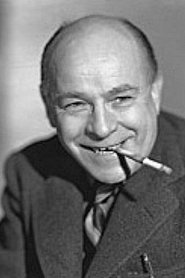
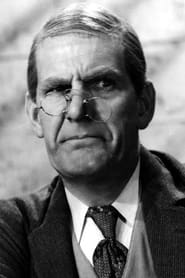
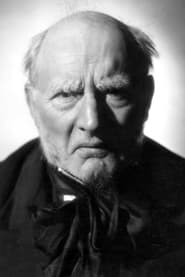
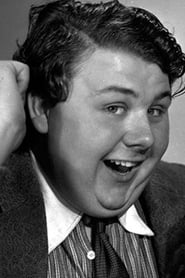
Will Hay stars as William Porter, an inept and easily flustered railway clerk who is promoted to stationmaster at a decrepit little station in the Irish countryside, much to the alarm of everyone around him. He arrives with two comically unhelpful assistants: the ancient, toothless, half-deaf Harbottle and the blustering, overweight, overconfident Albert, and the trio immediately turns the station into a monument to incompetence. Porter is determined to prove himself, but his lack of railway knowledge and the station's chronic disrepair place him in constant trouble, especially when he is forced to deal with suspicious local activity. The situation escalates when gunrunners use the line for smuggling, leading to a spectacular and chaotic pursuit in which Porter, his sidekicks, and a train become entangled in a mad locomotive chase. By the end, the film pays off as a full-scale farce, transforming Porter’s blunders into accidental heroism and cementing the story as one of British comedy’s classic slow-burn comic builds.
About the Production
The film was directed by Marcel Varnel and produced in the mid-1930s as part of Will Hay's highly successful run of comedy features. It is best known for its elaborate railway gags, including a climax built around a runaway train and the comic escalation from small-town incompetence to action-film-style pursuit. Although set in Ireland, much of the production was handled in England, with railway material and location work used to sell the illusion of an out-of-the-way Irish branch line. The picture benefited from the sharp comic chemistry of Will Hay, Moore Marriott, and Graham Moffatt, whose distinct screen personae became one of British comedy's most beloved ensembles. No reliable surviving budget or box-office figure is generally cited in standard reference sources.
Historical Background
Oh, Mr. Porter! was produced in 1937, in the late interwar period when British cinema was consolidating its own popular identity alongside Hollywood imports. The film reflects a period when the railway was still central to everyday British life, making a station-master comedy immediately legible to contemporary audiences. In a broader sense, it belongs to the era of British studio comedy that leaned on eccentric character types, class satire, and provincial settings to create a distinct national flavor. The choice of an Irish setting also reflects how British films of the period often used the edges of the British Isles as comic or romanticized spaces of disorder, adventure, and local color. It matters historically because it captures both the comic conventions of the 1930s and the social world of prewar Britain, with its branch lines, bureaucratic hierarchies, and appetite for light entertainment during a tense decade.
Why This Film Matters
The film is widely regarded as one of the landmark comedies of classic British cinema and has endured as a touchstone for rail-themed and character-based farce. Its success helped reinforce Will Hay’s reputation as one of the defining British comic actors of the 1930s, and the film’s trio dynamic influenced later ensemble comedy structures in Britain. It has remained a favorite among classic film fans, comedy historians, and railway enthusiasts, partly because it combines affectionate detail about rail operations with absurd escalation. The runaway train finale and the memorable pairing of Hay, Marriott, and Moffatt have made it a recurring reference point in discussions of British slapstick and prewar screen comedy. Its long afterlife on television, in repertory houses, and on home video has helped preserve it as a culturally recognizable example of British comic tradition.
Making Of
Oh, Mr. Porter! was made at a time when Will Hay was one of Britain’s most bankable comedians, and the production was tailored to his persona as a pompous but fundamentally incompetent authority figure. Marcel Varnel, who directed several important British comedies, shaped the film into a finely timed mix of dialogue comedy, visual business, and escalating chaos. The casting of Moore Marriott and Graham Moffatt was crucial: Marriott provided a world-weary, almost abstractly ancient comic presence, while Moffatt supplied youthful bluster and noise, giving Hay two very different sources of irritation. The railway material required careful coordination, especially for the climax, which depended on convincing train movement and precise comic timing. The film’s enduring reputation owes much to how confidently it turns a small premise into an increasingly elaborate farce without losing the audience’s sense of character and place.
Visual Style
The film uses straightforward studio-era visual style, with the emphasis placed on framing comic performance clearly and allowing physical business to play out in clean, readable compositions. The railway sequences benefit from practical staging and careful cutting that make the train action feel lively without obscuring the comedy. Like many 1930s British comedies, it relies less on decorative camerawork than on efficient visual storytelling, ensuring that the actors’ timing remains central. The contrast between the modest station setting and the increasingly large-scale chaos of the finale is one of its most effective visual strategies.
Innovations
The most notable technical aspect of the film is the staging of the railway climax, which uses practical effects, location material, and editing to create a convincing sense of locomotive chaos. For a 1930s British comedy, the integration of comedy with action-oriented rail material was especially impressive and helped the film stand out. The production demonstrates skill in making a modestly budgeted picture feel larger through careful coordination of performance, sound effects, and train movement. Its technical reputation rests less on innovation in the abstract than on the efficiency and precision with which its comic action is executed.
Music
The film features the kind of lightly scored, scene-supporting musical accompaniment typical of British sound comedies of the period. There is no widely cited standalone song associated with the film in the way that some later musicals would have, but the soundtrack supports the pacing of jokes, entrances, and the final action sequences. Railway sound effects are especially important, helping to sell the setting and enhance the rhythm of the train-based gags. As with many films of the era, the audio design is functional rather than showy, with dialogue and effects carrying most of the comic weight.
Famous Quotes
I want a stationmaster who knows his job!
We’ve got to stop that train!
Oh, Mr. Porter!
Memorable Scenes
- Porter’s disastrous arrival at the decrepit rural station, where every attempt at authority immediately collapses into confusion.
- The comic interactions between Porter, Harbottle, and Albert, which repeatedly turn ordinary railway duties into farce.
- The finale in which gunrunners seize the train and the film erupts into a runaway locomotive chase.
Did You Know?
- The film is one of the most famous vehicles for the classic Will Hay comic trio, pairing Hay with Moore Marriott and Graham Moffatt in a configuration that became enormously popular with British audiences.
- The title comes from the comic way the protagonist is addressed, reflecting the film's central joke about mistaken respectability and railway hierarchy.
- Despite being set in Ireland, the film was largely made in England, a common practice in British studio-era productions that used stock footage, sets, and selective exterior shooting to create distant settings.
- The climactic train chase is one of the best-remembered sequences in British comedy of the 1930s and helped make the film a staple of television revivals and repertory screenings for decades.
- Moore Marriott, playing the toothless old railwayman, was older than his character's apparent decrepitude might suggest, and his performance became one of the signature comic turns of his career.
- Graham Moffatt's role as the loud, blustering younger sidekick helped establish the fast-talking, overeager persona that he would repeat in other Will Hay films.
- The film is often cited as one of the greatest British comedies of the prewar era and has been singled out in many retrospectives of early British sound cinema.
- Its blend of slapstick, rural farce, and small-scale criminal intrigue reflects the 1930s British comedy formula that balanced character comedy with adventure elements.
- Railway comedy had strong appeal in interwar Britain, and the film draws on the public's fascination with branch-line culture, station life, and the official pomp of the railway system.
- The movie has remained especially popular with enthusiasts of classic British comedy and steam railway history because of its affectionate, exaggerated depiction of the railways.
What Critics Said
At the time of release, the film was warmly received as one of Will Hay’s strongest comedy features, praised for its rapid comic construction, character interplay, and increasingly elaborate set-pieces. Contemporary and later critics have often singled out the chemistry of the three leads and the film’s confident escalation from domestic farce to action-driven mayhem. Modern criticism tends to view it as one of the finest examples of 1930s British comedy, especially admired for its economical storytelling and its balance of verbal humor with physical comedy. It is frequently included in histories of British film as a classic of the prewar era, and its reputation has generally grown rather than diminished over time.
What Audiences Thought
The film was a popular success with British audiences, especially those already familiar with Will Hay’s stage and screen persona. Its accessible humor, railway setting, and strong comic performances made it easy for audiences to enjoy on first viewing, while the escalating absurdity of the plot rewarded repeat viewings. The movie became one of the enduring favorites of television-era audiences as older British comedies were rediscovered and regularly broadcast. Its continued popularity among classic comedy fans suggests that it has retained strong audience affection well beyond its original theatrical run.
Film Connections
Influenced By
- British music-hall comedy traditions
- Railway farce and comic stage sketches
- Early sound-era British character comedy
This Film Influenced
- Later British railway comedies and rural farces
- Ensemble-led British comic adventure films
- Television revivals and homages to Will Hay-style comedy
You Might Also Like
More Comedy Films
View allFilm Restoration
The film is preserved and widely available in archive and home-video circulation; it is not considered lost. It has been shown repeatedly over the decades and survives as one of the better-known British comedies of its period.