Will Hay
Actor
- Born
- January 6, 1888, Stockton-on-Tees, County Durham, England
- Died
- April 18, 1949
- Active
- 1920s-1940s
- Birth name
- William Thomson Hay
Films 1
About Will Hay
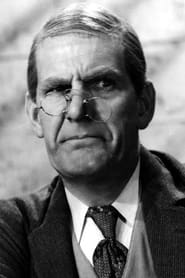
Will Hay was one of the most celebrated comic actors of British cinema, best known for his authority-figure-baffled, schoolmaster-and-clerk-type characters who collapsed into chaos around them. Born William Thomson Hay in Stockton-on-Tees, he first made his name on the music-hall stage and in revue before moving into films during the early sound era, where his deadpan pomposity and razor timing made him a major box-office attraction. He became especially famous in the 1930s for playing blustering but fundamentally inept men in positions of authority, often surrounded by a memorable comic team that included Moore Marriott and Graham Moffatt. His best-known films, including Oh, Mr. Porter!, Ask a Policeman, and Good Morning, Boys, helped define British screen comedy in the interwar years and remain enduring classics of the genre. Hay also worked as a director and producer, shaping vehicles that showcased his particular brand of absurdist, character-based humor. Beyond film, he was known as a keen amateur astronomer and a man of many interests, though his screen persona remained that of the hapless official whose confidence far exceeded his competence. He retired from films relatively early and later lived a quieter life, but his influence on British comedy and his reputation as a master of comic characterization have endured for decades.
More about Will Hay
On screen
Will Hay's acting style was rooted in precise comic timing, understated indignation, and the slow unraveling of a character's self-importance. He specialized in portraying men who believed themselves competent and authoritative, only for the situation to expose their incompetence in increasingly absurd ways. His performances often relied on verbal misdirection, exasperated facial reactions, and a controlled escalation from dignity to panic. Rather than broad slapstick alone, he favored character comedy with a strong sense of rhythm, allowing the audience to enjoy the gap between his character's self-image and reality.
In film history
Will Hay became a defining figure in British popular comedy of the 1930s, helping to establish a distinctly English screen comic persona built on social embarrassment, institutional incompetence, and absurd class authority. His films captured an era of prewar British life with affectionate satire, making schoolmasters, policemen, railwaymen, and clerks into fertile comic territory for mainstream audiences. At a time when American comedy often leaned more heavily on anarchic slapstick, Hay's humor was rooted in verbal wit, character frustration, and the comic erosion of respectability. His popularity extended across Britain and later found new audiences through television broadcasts, cementing his place in the canon of classic British film comedy. Because his performances are so closely tied to the social types of his era, they also serve as a valuable record of interwar British attitudes, institutions, and everyday absurdities.
Later reputation
Will Hay's legacy is that of a foundational star of British film comedy whose best work remains a benchmark for character-driven humor. He demonstrated that a comic persona could be built not on physical clowning alone, but on the contrast between self-assured authority and obvious incompetence, a pattern that would echo through later British comedy. His films are still screened, studied, and enjoyed for their efficient plotting, memorable ensemble work, and the precision of his comic reactions. In the history of cinema, he occupies an important place alongside the great national comedy traditions, representing a specifically British blend of understatement, social satire, and mild chaos. Even decades after his death, his best-known films continue to be cited among the essential works of prewar British popular entertainment.
Influence
Hay influenced later generations of British comedians by popularizing the bumbling authority figure as a durable comic archetype. His screen persona can be seen as an ancestor to many later television and film characters who combine officiousness, self-deception, and gradual humiliation. Comedians and writers interested in British institutional comedy have often drawn on the same rhythms he perfected: verbal bluster, escalating misunderstanding, and the comic collapse of respectability. His ensemble-based style also helped demonstrate the value of carefully matched supporting players in comedy, especially where straight-faced reactions amplify the central fool's distress.
Off screen
Will Hay lived a comparatively private personal life away from the comic persona that made him famous. He was married and had family responsibilities, and later years of his life were marked by declining health and a reduced public profile. He was known to be intellectually curious and had interests beyond performance, especially astronomy, which became an important part of his later life. Although he was hugely popular on screen, he did not cultivate the kind of public scandal or flamboyant celebrity lifestyle associated with some contemporaries. His private life appears to have been stable and relatively conventional compared with the chaotic characters he portrayed.
Education
He received a practical schooling and later pursued technical and working-life experiences before entering entertainment; detailed formal higher education is not prominently documented.
Credits
- Rose to fame in British music hall and stage comedy before becoming a major film star in the early sound era
- Became one of the most popular comic actors in Britain during the 1930s, with a string of hugely successful comedy films
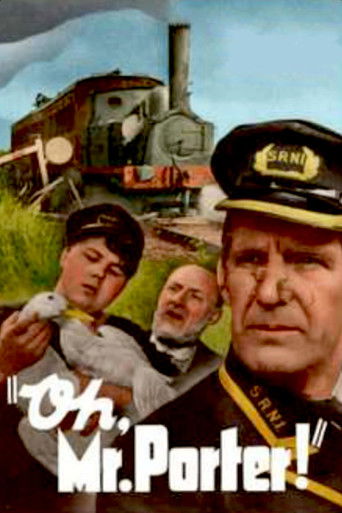
- Starred in the classic railway comedy Oh, Mr. Porter! (1937), widely regarded as one of his signature films
- Helped create a durable comic formula built around pompous authority figures, seaside policemen, schoolmasters, and other bumbling officials
- Frequently performed with Moore Marriott and Graham Moffatt, forming one of the most beloved comic trios in British cinema
- Directed several of his own films and helped shape their comic structure and pacing
- Left behind a body of work that remains central to discussions of prewar British screen comedy
Roles
- The blundering railway official in Oh, Mr. Porter!
- The incompetent schoolmaster and authority figure in various 1930s comedies
- The bumbling policeman or local official caught in absurd situations
- The pompous but ineffective gentleman whose authority is steadily undermined by events
Films
- Oh, Mr. Porter! (1937)
- Ask a Policeman (1939)
- Good Morning, Boys (1937)
- Boys Will Be Boys (1935)
- Where's That Fire? (1939)
- Boys Will Be Girls (1938)
- Boys Will Be Men (1938)
Awards
- No major international film awards are widely recorded for Will Hay during his lifetime
Nominations
- No well-documented major award nominations are widely recorded
Honors
- Enduring recognition as one of the greatest British comic film stars of the 1930s
- Continued revival and appreciation through television screenings, home video, and classic film retrospectives
Collaborators
- Moore Marriott
- Graham Moffatt
- Marcel Varnel
- Garry Marsh
- Basil Radford
Studios
- British International Pictures
- Gaumont British
- Associated British
Family
- Gladys Perkins (1915-1949)
Notes
- He was a keen amateur astronomer, a passion that became increasingly important later in life.
- Oh, Mr. Porter! is often cited as his best-known and most enduring film.
- He worked successfully across stage, music hall, and film, making the transition to sound cinema especially well.
- His comic persona was frequently that of a man appointed to authority despite being utterly unsuited for it.
- He was one of the most popular British comedians of the 1930s and a major box-office draw.
- Many of his films feature recurring comic partners, especially Moore Marriott and Graham Moffatt.
- He retired from films relatively early compared with many stars of his era.
- His work remains especially beloved in Britain and is frequently shown in classic film retrospectives and television packages.
Quotes
No reliably documented famous quotes attributable to Will Hay were found in standard reference sources.
His films are better remembered for comic situations and dialogue than for widely circulated standalone quotations.
Questions
Who was Will Hay?
Will Hay was a British comic actor, director, and screenwriter who became one of the biggest comedy stars of the 1930s. He was famous for playing pompous but incompetent authority figures whose confidence collapsed under pressure.
What films is Will Hay best known for?
He is especially remembered for Oh, Mr. Porter!, Ask a Policeman, Good Morning, Boys, Boys Will Be Boys, and Where's That Fire?. These films showcase his signature blend of verbal wit, character comedy, and escalating chaos.
When was Will Hay born and when did he die?
Will Hay was born on January 6, 1888, in Stockton-on-Tees, County Durham, England. He died on April 18, 1949.
What awards did Will Hay win?
He is not widely documented as having won major international film awards such as Academy Awards. His recognition came more from immense popularity, critical affection, and his lasting reputation as a classic British comic star.
What was Will Hay's acting style?
His acting style relied on deadpan authority, precise timing, and the slow comic unraveling of a character who believed himself capable and important. He excelled at subtle facial reactions, exasperated line readings, and ensemble comedy where others could play off his growing confusion.
What was Will Hay's legacy?
Will Hay helped define British screen comedy in the interwar period and remains a key figure in the history of classic British cinema. His films preserved a distinctive style of humor based on institutions, class manners, and the comic failure of authority.