Graham Moffatt
Actor
- Born
- July 6, 1919, London, England, United Kingdom
- Died
- December 19, 1965
- Active
- 1937-1938
Films 1
About Graham Moffatt
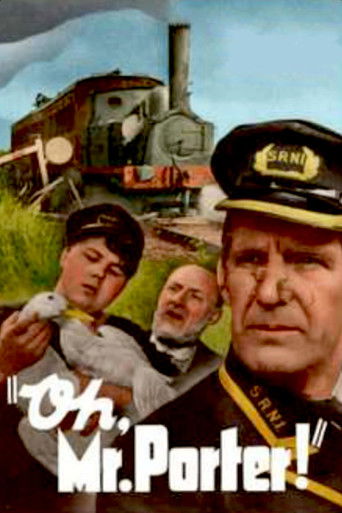
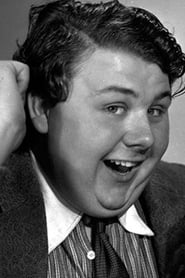
Graham Moffatt was a British child and juvenile actor best remembered for his appearances in the late-1930s Will Hay comedies, where his bluff, cheeky, working-class screen persona became a key part of the humor. He was born in London and entered films while still very young, finding early success as the wisecracking, quick-witted boy or young man who could spar comic lines with older stars without losing a sense of naturalness. Moffatt is especially associated with "Oh, Mr. Porter!" (1937), in which his deadpan comic timing helped anchor one of the era's best-loved British farces. His screen career was brief, however, and like many performers who worked as children or adolescents in the studio era, he did not transition into a long adult acting career. Although his filmography is small, he left a memorable mark because his performance style was sharply tailored to the Will Hay comedies, which remain perennial favorites in British popular culture. After his film work, he largely disappeared from the public eye, making him something of a cult figure for classic-comedy fans and historians of British cinema. His surviving reputation rests almost entirely on a handful of films, but those films have endured strongly enough to preserve his name among memorable supporting players of the 1930s.
More about Graham Moffatt
On screen
Moffatt's acting style was marked by a natural, lightly cocky comic manner that played well against older authority figures and established comedians. He specialized in sharp reactions, understated insolence, and the kind of quick-witted timing that made him seem more streetwise than his years suggested. Rather than broad mugging, he often relied on a dry, slightly defiant delivery that made his characters feel authentic within the heightened world of British farce. His performances worked best as part of an ensemble, where he could punctuate the rhythm of the scene and support the comic escalation around him.
In film history
Graham Moffatt's cultural impact lies less in the length of his career than in the lasting popularity of the films in which he appeared. In British comedy history, he represents the effective use of a youthful supporting actor to sharpen the social and class-based humor of the Will Hay vehicles, where boyish insolence and street-smart confidence contrasted hilariously with pompous or incompetent authority. His performances contributed to the enduring appeal of films like "Oh, Mr. Porter!", which continue to be shown, discussed, and appreciated by classic-comedy audiences. For viewers interested in 1930s British cinema, he is a reminder that even small supporting roles could become culturally durable when embedded in strongly written ensemble comedy.
Later reputation
Moffatt's legacy is that of a memorable cameo-and-support performer whose short career left a disproportionate impression on British film comedy. He is chiefly remembered as part of the comic chemistry that made the Will Hay films successful, and his work has remained visible through television screenings, home video, and film preservation efforts that keep those comedies in circulation. Because he did not become a major star or continue into later decades, his legacy is particularly tied to the preservation of interwar British screen comedy as a distinct tradition. Among historians and aficionados, he stands as one of those compact, essential presences who help define the tone of a film era even when they are not the headline name.
Influence
Moffatt influenced later perceptions of the British juvenile sidekick as a brisk, cheeky, intelligently insolent figure rather than a merely ornamental child performer. While he was not a major star with a wide direct line of influence, his work helped model the kind of comic support performance that balances an established comedian's timing and rhythm. In that sense, he contributed to a performance tradition in British comedy where younger actors could hold their own verbally against older stars. His films remain a small but useful example of ensemble comic construction for later performers and historians studying how British farce was built.
Off screen
Very little widely documented information survives about Graham Moffatt's private life, which is one reason he is more often discussed as a screen performer than as a biographical figure. He appears to have lived a comparatively private life after his brief acting period, and his later years did not involve the sort of publicity or career reinvention that often leaves a fuller public record. Because of that, details about marriages, children, and close family life are not firmly established in standard film-reference sources. His obscurity outside his film work has contributed to his status as a fascinating but elusive figure in British cinema history.
Education
Not reliably documented in standard classic-film reference sources.
Credits
- Appeared in the classic British comedy "Oh, Mr. Porter!" (1937), his most famous screen role
- Became part of the celebrated Will Hay comic stock company during the late 1930s
- Helped define the rough-and-ready juvenile comic sidekick persona in British interwar cinema
- Established a memorable screen presence despite a very short film career
- Remains a recognizable name to fans of British old-time comedy and Will Hay films
Roles
- The youthful comic supporting character in "Oh, Mr. Porter!"
- The cheeky juvenile sidekick in Will Hay-era comedy ensembles
Films
- Oh, Mr. Porter! (1937)
- Boys Will Be Boys (1935)
- Where's That Fire? (1939)
Collaborators
- Will Hay
- Moore Marriott
- Garry Marsh
- Marcel Varnel
Studios
- Associated with British film production companies working on Will Hay comedies in the 1930s
Notes
- He is most strongly associated with Will Hay's comic films rather than with a large standalone filmography.
- Despite his brief career, he became one of the most familiar juvenile faces in late-1930s British comedy.
- "Oh, Mr. Porter!" is the film most often cited when his name appears in film histories.
- He is a good example of a child or teenage performer whose reputation rests on a few highly durable films rather than on a long career.
- His later life is comparatively obscure, which has made biographical research more difficult than with many contemporaries.
- He worked during a period when British studios frequently used younger supporting actors as comic foils to established stars.
- His performances are remembered for timing and attitude more than for emotional range or dramatic heroics.
Questions
Who was Graham Moffatt?
Graham Moffatt was a British actor best remembered for his brief but memorable work in 1930s comedy films, especially the Will Hay vehicles. He became known for his cheeky, deadpan supporting performances and is most closely associated with "Oh, Mr. Porter!".
What films is Graham Moffatt best known for?
He is best known for "Oh, Mr. Porter!" (1937), and he also appeared in other British comedies of the era such as "Boys Will Be Boys" (1935) and "Where's That Fire?" (1939). These films are the core of his surviving screen reputation.
When was Graham Moffatt born and when did he die?
Graham Moffatt was born on July 6, 1919, in London, England. He died on December 19, 1965.
What awards did Graham Moffatt win?
There are no widely documented major awards or nominations associated with Graham Moffatt's short film career. His recognition comes primarily from the enduring popularity of the films in which he appeared.
What was Graham Moffatt's acting style?
Moffatt's style was light, natural, and sharply comic, with an attitude that suggested confidence beyond his years. He was especially effective as a quick-witted foil in ensemble comedy, where his timing and deadpan reactions could heighten the humor of a scene.
What is Graham Moffatt's legacy in film history?
His legacy lies in being a memorable supporting presence in some of the best-loved British comedies of the late 1930s. Although his career was brief, he remains a recognizable part of classic British cinema, especially for fans of Will Hay.