Frederick Piper
Actor
- Active
- 1937-1937
Films 1
About Frederick Piper
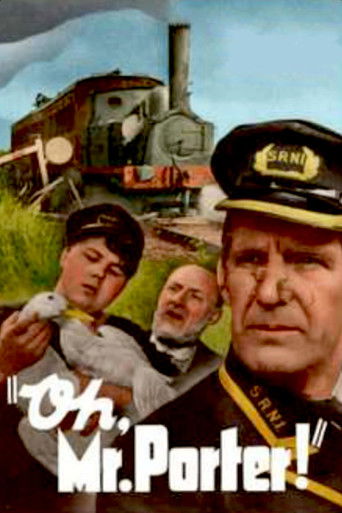
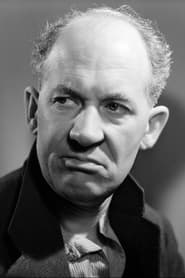
Frederick Piper was a British character actor whose screen career was concentrated in the late silent and early sound eras, with his best-known work arriving in the 1930s. He is most readily identified today for his role in the Ealing comedy classic Oh, Mr. Porter! (1937), a film that has endured as one of the most beloved British comedies of the period. Like many dependable supporting actors of his generation, Piper’s career was built on atmospheric, scene-stealing parts rather than headline stardom, and he contributed to the texture and credibility of British films during a formative time for the industry. His performances were typically rooted in practical realism, making him well suited to domestic comedy, authority figures, tradesmen, bystanders, and other everyday characters that enlivened ensemble productions. Surviving documentation about his broader life is limited, and he does not appear to have left the extensive paper trail associated with major stars, but his presence in classic British cinema is still remembered by enthusiasts and archivists. Because of the scarcity of readily verifiable biographical detail, much of his personal history remains obscure, yet his screen work continues to preserve his name in film history. He stands as an example of the many reliable working actors who helped establish the distinct tone of British cinema between the wars.
More about Frederick Piper
On screen
Frederick Piper appears to have specialized in understated, naturalistic supporting performances suited to British ensemble comedy and drama. His screen presence was likely built on plainspoken realism rather than theatrical flourish, allowing him to blend convincingly into working-class, service, or authority-based character types. In films like Oh, Mr. Porter!, performers of his type were valued for precise timing, quick reactions, and the ability to make minor roles memorable without overwhelming the scene. His style can best be understood as functional, grounded, and sharply attentive to the rhythms of British comic dialogue and situation.
In film history
Frederick Piper’s cultural impact lies less in star power than in the supporting infrastructure of classic British cinema. Actors like Piper helped make films such as Oh, Mr. Porter! feel populated by believable, recognizable people, which was essential to the charm and social texture of British screen comedy in the 1930s. His work reflects the importance of ensemble casting in a national cinema that often relied on character actors to create humor, realism, and local flavor. Even when a performer’s name is not widely known to the public, their contribution can remain important to film historians because they helped define the everyday realism that distinguished British productions from more glamorous Hollywood models.
Later reputation
Frederick Piper’s legacy is that of a useful and historically meaningful supporting player whose surviving credit connects him to one of the enduring landmarks of British comedy. While he does not appear to have achieved celebrity status or accumulated a large documented body of work, his presence in an iconic film ensures that he remains part of the record of classic cinema. For scholars and enthusiasts, actors like Piper are valuable because they illuminate the network of working performers who sustained studio-era filmmaking. His name endures primarily through film preservation, cast lists, and the ongoing interest in the supporting players of the 1930s British screen. In that sense, his legacy is archival as much as artistic: he is remembered because the film itself continues to be watched and studied.
Influence
There is no strong evidence that Frederick Piper directly influenced later actors in a documented, personal sense, but his kind of performance helped establish the conventions of British supporting acting. The restrained, observational style associated with character performers of his era became a model for later ensemble work in British comedy and drama. By helping populate films with credible ordinary people, performers like Piper influenced the broader expectation that British cinema should feel grounded and socially specific. His contribution is therefore indirect but meaningful, shaping the texture of films that later generations would look to as examples of classic British screen wit and realism.
Off screen
Very little reliably documented information survives about Frederick Piper’s personal life, including details of his marriages, family background, or private affairs. Unlike major stars of the era, he does not appear in the surviving record as a celebrity whose domestic life was widely publicized. As a result, his biography is known primarily through his screen credit rather than through interviews, memoirs, or press coverage. This lack of detail is common for many supporting actors from the period, especially those whose careers were brief or poorly documented in the mainstream trade press.
Credits
- Appeared in the British comedy classic Oh, Mr. Porter! (1937), the role for which he is most readily identified today
- Worked as a supporting character actor during the early sound era, contributing to the ensemble style that defined many British films of the period
- Represents the generation of reliable British screen performers whose work strengthened studio productions without always receiving marquee billing
Roles
- Supporting role in Oh, Mr. Porter! (1937)
Films
- Oh, Mr. Porter! (1937)
Notes
- Frederick Piper is most strongly associated with just one surviving major screen credit in widely consulted film references: Oh, Mr. Porter! (1937).
- He is an example of a classic British character actor whose importance is preserved mainly through the film itself rather than extensive publicity or star biographies.
- His name is often encountered by viewers researching the cast of Oh, Mr. Porter!, one of the best-known British comedies of the 1930s.
- Because he worked during the early sound era, his performance style would have been shaped by the transition from silent acting traditions to dialogue-centered screen comedy.
- His obscurity in historical records is typical of many supporting actors whose work was essential on screen but lightly documented off screen.
- He is sometimes of interest to film archivists and classic-cinema fans precisely because he represents the many unheralded performers of the studio era.
- The survival of his credit in film databases demonstrates how even very brief screen careers can remain part of cinema history.
Questions
Who was Frederick Piper?
Frederick Piper was a British actor from the classic cinema era, best known for appearing in Oh, Mr. Porter! (1937). He worked as a supporting character actor and is remembered today mainly through that film credit. His career reflects the many dependable performers who helped shape British film comedy in the 1930s.
What films is Frederick Piper best known for?
He is best known for Oh, Mr. Porter! (1937). That film is the principal surviving reference point for his screen career and is the title most associated with his name in classic film histories.
When was Frederick Piper born and when did he die?
His birth and death dates are not reliably documented in the available record. As a result, both details remain uncertain in standard reference sources used for classic-cinema research.
What awards did Frederick Piper win?
No awards or major nominations are reliably documented for Frederick Piper. He appears to have been a working supporting actor rather than a decorated star of the period.
What was Frederick Piper's acting style?
He appears to have used a restrained, naturalistic style that suited British ensemble films. His kind of performance would have emphasized credibility, timing, and efficient scene work rather than flashy star turns.
What is Frederick Piper's legacy in film history?
His legacy lies in his contribution to the texture of classic British cinema, especially in a beloved comedy like Oh, Mr. Porter!. He represents the many unsung supporting actors whose work helped make studio-era films believable and memorable.