
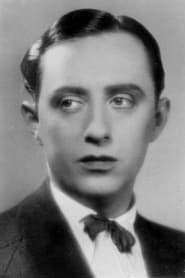
Curt Bois
Actor
Born: April 5, 1901 in Berlin, Germany Died: December 25, 1991 Active: 1907-1987
Films
2 films
About Curt Bois
Curt Bois began his remarkable career as a child actor in German silent films during the early 1910s, making his debut at just six years old. He gained early recognition working with director Ernst Lubitsch, starring in films like 'The Oyster Princess' (1919) where he showcased his natural comedic talent. As the Nazi regime rose to power in Germany, Bois, being Jewish, fled to Hollywood where he continued his acting career, though often in smaller roles. His most famous international appearance came in 1942's 'Casablanca,' where he memorably played the pickpocket who warns 'vultures everywhere' about the dangers of the city. Following World War II, Bois returned to Germany and rebuilt his career in both theater and film, becoming a respected character actor in post-war German cinema. His extraordinary eight decades, from the silent era through the New German Cinema movement, making him one of cinema's longest-working performers. Bois appeared in over 100 films across multiple countries and languages, demonstrating remarkable adaptability and resilience throughout the tumultuous changes of 20th century cinema.
The Craft
On Screen
Bois was known for his versatility and naturalistic approach, transitioning seamlessly from the exaggerated expressions required in silent films to the subtleties of sound cinema. His performances were characterized by a keen sense of timing, particularly in comedic roles, and an ability to convey deep emotion with minimal gestures. As a character actor in his later years, he developed a distinctive presence that combined world-weary wisdom with underlying warmth.
Milestones
- Child actor in German silent films
- Starred in Ernst Lubitsch's 'The Oyster Princess' (1919)
- Fled Nazi Germany and continued career in Hollywood
- Memorable role as pickpocket in 'Casablanca' (1942)
- Returned to post-war Germany and rebuilt career
- One of cinema's longest-working performers with 80-year career
Best Known For
Iconic Roles
Must-See Films
Accolades
Won
- Filmband in Gold for lifetime achievement (1975)
- Bundesverdienstkreuz (Federal Cross of Merit)
Nominated
- German Film Award nomination for Best Supporting Actor
Special Recognition
- Honored at Berlin International Film Festival for lifetime contributions to cinema
- Recognized as one of Germany's most enduring character actors
Working Relationships
Worked Often With
Studios
Why They Matter
Impact on Culture
Curt Bois represents the resilience of artists who survived and thrived despite political persecution and historical upheaval. His career trajectory from Weimar Republic stardom through Hollywood exile to post-war German cinema mirrors the broader story of 20th century European cultural history. His ability to work across different film industries and languages made him a bridge between German and international cinema.
Lasting Legacy
Bois's lasting legacy lies in his extraordinary longevity and adaptability as a performer, spanning from the earliest days of cinema to the modern era. He serves as a living record of cinematic evolution, having worked in silent films, early talkies, and contemporary cinema. His performances continue to be studied for their technical skill and emotional authenticity, particularly his ability to convey complex characters with economy and precision.
Who They Inspired
Bois influenced generations of German actors through his dedication to craft and his ability to reinvent himself across different eras of filmmaking. His success in both German and international cinema demonstrated the possibilities for cross-cultural artistic exchange. His perseverance in the face of political adversity inspired younger artists to maintain their integrity during difficult times.
Off Screen
Bois lived through some of the most turbulent periods of German history, including both World Wars and the division of Germany. His Jewish heritage forced him into exile during the Nazi era, after which he returned to his homeland. He was married twice and maintained homes in both Berlin and Munich during his later years. Despite his long career, he remained a humble and dedicated artist who valued craft over celebrity.
Education
Trained at Max Reinhardt's acting school in Berlin during his teens
Family
- Hilde Hildebrand (1926-1928)
- Miriam Bois (1932-1991, his death)
Did You Know?
- Was one of the last surviving actors from the silent film era at the time of his death
- Credits cover 80 years in this catalog, making him one of cinema's longest-working performers
- Spoke fluent German, English, and French, which helped his international career
- His line 'Vultures, vultures everywhere' in Casablanca became one of the film's most memorable moments
- Began acting at age 6 and continued performing into his 80s
- Was a decorated World War I veteran despite his young age
- Returned to Germany after WWII specifically to help rebuild the country's theater scene
- Worked with virtually every major German director of the 20th century
- Never retired from acting, performing until shortly before his death
- His final film appearance was in Fassbinder's 'Lili Marleen' (1981)
In Their Own Words
Vultures, vultures everywhere. I'm a native, you know.
The stage is my home, but cinema is my language.
To survive as an artist, you must be like water - adapt to any container.
I have lived through all of cinema's ages, and each has its own beauty.
Frequently Asked Questions
Who was Curt Bois?
German with credits in this catalog. He began as a child actor, gained fame in Weimar Republic cinema, fled Nazi Germany for Hollywood, and later returned to post-war Germany where he became a respected character actor.
What films is Curt Bois best known for?
Titles linked here include The Oyster Princess (1919), Casablanca (1942).
When was Curt Bois born and when did he die?
Born April 5, 1901; died December 25, 1991.
What awards did Curt Bois win?
Bois received the Filmband in Gold for lifetime achievement in 1975 and was awarded the Bundesverdienstkreuz (Federal Cross of Merit) for his contributions to German culture and cinema.
What was Curt Bois's acting style?
Bois was known for his versatility, transitioning from the exaggerated style of silent films to naturalistic performances in sound cinema. He excelled at both comedy and drama, with a particular talent for conveying complex emotions through subtle gestures and timing.
How did Curt Bois survive the Nazi period?
Being Jewish, Bois fled Germany in the 1930s and continued his career in Hollywood, where he appeared in several films including his memorable role in 'Casablanca'. He returned to Germany after World War II to help rebuild the country's theatrical and film industries.