
Films
1 film
About William Stack
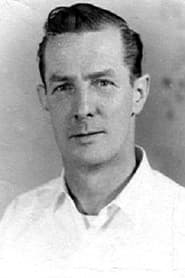
William Stack is credited on a single production — Becky Sharp (1935). Though his career was notably brief. His most significant contribution to film history was his role in the 1935 production 'Becky Sharp,' which holds the distinction of being the first full-length feature film shot entirely in three-strip Technicolor. While details about his broader career remain scarce, Stack's participation in this technically innovative film places him within an important moment in cinema history. William Stack appears during a transitional period when Hollywood was embracing new technologies and color cinematography was in its experimental stages. His career appears to have been limited to the mid-1930s, with no extensive filmography discovered beyond his notable appearance in this historic production. Despite the brevity of his screen career, Stack's work contributes to the legacy of early color cinema and the technical advancements that would eventually become standard in the film industry.
The Craft
Milestones
- Appeared in 'Becky Sharp' (1935), the first full-length three-strip Technicolor feature film
Best Known For
Iconic Roles
Must-See Films
Why They Matter
Impact on Culture
William Stack's cultural impact is primarily tied to his participation in 'Becky Sharp,' a landmark film in cinema history that pioneered full-color feature filmmaking. While his individual contribution may have been small, being part of this technically groundbreaking production places him within the narrative of Hollywood's technological evolution. The film itself demonstrated the commercial and artistic possibilities of color cinematography, influencing the industry's eventual widespread adoption of color processes. Stack's involvement, however brief, represents the many actors who contributed to cinema's development during this innovative period, even if their names were not widely remembered by posterity.
Lasting Legacy
William Stack's legacy is that of a performer who participated in a pivotal moment in film history - the advent of full-color feature films. While his career may have been brief, his appearance in 'Becky Sharp' connects him to the technological revolution that transformed cinema from black and white to color. This film served as a proving ground for three-strip Technicolor, demonstrating that color could be used effectively for dramatic storytelling rather than just for novelty. Stack represents the countless supporting actors who contributed to early cinema's experiments and innovations, their names largely lost to history but their work preserved in these groundbreaking films that changed the course of movie-making.
Who They Inspired
As an actor with an extremely brief filmography, William Stack's direct influence on other performers or filmmakers appears minimal. However, his participation in 'Becky Sharp' indirectly contributed to the broader acceptance and development of color cinema, which would influence generations of filmmakers and actors who followed. The success of films like 'Becky Sharp' helped prove that color cinematography was viable for feature-length storytelling, paving the way for the color-dominated cinema that would emerge in subsequent decades.
Off Screen
Very limited information is available about William Stack's personal life, reflecting his brief appearance in Hollywood cinema and the lack of extensive documentation about supporting actors from this era.
Did You Know?
- William Stack appeared in 'Becky Sharp' (1935), which made history as the first full-length feature film shot entirely in three-strip Technicolor
- The film 'Becky Sharp' was based on William Makepeace Thackeray's novel 'Vanity Fair'
- The production of 'Becky Sharp' cost approximately $1 million, a substantial budget for the time due to the experimental color technology
- The film's use of color required extensive testing and development of new filming techniques
- Despite its historical significance, 'Becky Sharp' was not a commercial success, which temporarily slowed Hollywood's adoption of color cinematography
- The film starred Miriam Hopkins in the title role and was directed by Rouben Mamoulian
Frequently Asked Questions
Who was William Stack?
American with credits in this catalog. His career appears to have been brief, with this being his most documented film role.
What films is William Stack best known for?
Titles linked here include Becky Sharp (1935).
When was William Stack born and when did he die?
Specific birth and death dates for William Stack are not readily available in historical records, reflecting the limited documentation of supporting actors from early Hollywood cinema.
What awards did William Stack win?
There are no documented awards or nominations for William Stack, which is not uncommon for actors with brief careers or supporting roles during this era of Hollywood filmmaking.
What was William Stack's acting style?
Limited documentation makes it difficult to determine William Stack's specific acting style or techniques. As an actor during the early sound era, he would have worked within the theatrical acting conventions common in 1930s Hollywood cinema.
Why is William Stack significant in film history?
William Stack's significance comes from his participation in 'Becky Sharp' (1935), the first full-length three-strip Technicolor feature film. While his individual role may have been minor, he was part of a groundbreaking production that helped pave the way for color cinema.
Did William Stack have a long career in Hollywood?
Based on available records, William Stack's career appears to have been quite brief, with activity documented only in 1935. This was not uncommon for many actors during Hollywood's early sound era, particularly those in supporting or background roles.