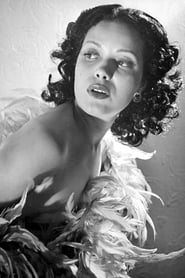
Hilda Simms
Actor
Born: April 15, 1918 in Minneapolis, Minnesota, USA Died: February 6, 1994 Active: 1944-1970s (primarily stage, with brief film period 1953) Birth Name: Hilda Moses Simms
Films
1 film
About Hilda Simms
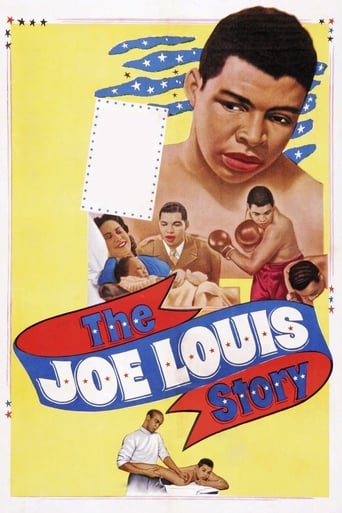
African American actress who achieved her greatest fame on the Broadway stage, particularly for her powerful performance in the title role of 'Anna Lucasta' (1944-1946), which became one of the longest-running plays with an all-Black cast on Broadway at that time. Born in Minneapolis, Minnesota, she began her career in theater and radio before her breakthrough performance in 'Anna Lucasta' earned her critical acclaim and established her as one of the leading Black actresses of her generation. Though her film career was brief, she made a notable appearance in 'The Joe Louis Story' (1953), portraying the boxer's mother. Beyond acting, Simms was deeply involved in civil rights activism and worked to create better opportunities for African American performers in the entertainment industry. She later became a drama teacher and continued her advocacy work until her death in 1994. Her career, while not extensively documented in film, represents an important chapter in African American theatrical history and the broader struggle for representation in American performing arts.
The Craft
On Screen
Known for her powerful, emotionally intense performances that brought depth and dignity to African American characters during a time of limited representation. Her stage presence was commanding and her ability to convey complex emotions helped break stereotypes about Black performers in serious dramatic roles.
Milestones
- Originated the title role in Broadway's 'Anna Lucasta' (1944)
- Starred in the national tour of 'Anna Lucasta'
- Appeared in 'The Joe Louis Story' (1953)
- Became a prominent civil rights activist in entertainment
- Taught drama and mentored young performers
Best Known For
Iconic Roles
Must-See Films
Accolades
Won
- Theatre World Award for 'Anna Lucasta' (1944)
Nominated
- Donaldson Award for Best Actress (1945)
Special Recognition
- Recognized by the National Association of Negro Musicians for her contributions to theater
- Honored by various civil rights organizations for her activism
Working Relationships
Worked Often With
Studios
Why They Matter
Impact on Culture
Hilda Simms made significant cultural impact through her groundbreaking performance in 'Anna Lucasta,' which demonstrated that African American actors could carry complex, serious dramatic roles and achieve commercial success on Broadway. Her work helped pave the way for future generations of Black performers in legitimate theater and challenged prevailing stereotypes about the types of roles available to African American actors. Beyond her artistic contributions, her activism and advocacy for civil rights within the entertainment industry helped create important discussions about representation and equality during a crucial period in American history.
Lasting Legacy
Hilda Simms' legacy lies primarily in her trailblazing stage career and her role as a cultural pioneer who helped break barriers for African American performers. Her success in 'Anna Lucasta' proved that Black-led productions could achieve both critical acclaim and commercial success on Broadway, opening doors for future theatrical productions featuring African American casts and stories. Her later work as an educator and activist ensured that her influence extended beyond her own performances, impacting subsequent generations of performers and contributing to the ongoing struggle for equality in American entertainment.
Who They Inspired
Simms influenced future generations of African American performers by demonstrating that Black actors could succeed in serious dramatic roles without compromising their dignity or authenticity. Her success helped inspire theater producers to create more opportunities for Black performers and contributed to the gradual integration of American theater. Her combination of artistic excellence and social activism set a precedent for later performers who sought to use their platform for social change.
Off Screen
Hilda Simms was married twice during her lifetime. Her first marriage was to Richard A. Graham, which ended in divorce. She later married William Spaulding, a prominent figure in Harlem's cultural scene. Throughout her life, she was deeply committed to civil rights causes and used her platform to advocate for better representation and opportunities for African Americans in entertainment. She spent her later years teaching drama and continuing her activism work.
Education
Graduated from North High School in Minneapolis, attended the University of Minnesota briefly, later studied drama at the American Negro Theatre in New York City
Family
- Richard A. Graham (1940s-1950s)
- William Spaulding (1960s-1994)
Did You Know?
- Her Broadway debut in 'Anna Lucasta' was so successful that she received a standing ovation on opening night and the play ran for 957 performances
- She was one of the first African American women to achieve star status on Broadway in a non-musical dramatic role
- Despite her stage success, she appeared in only one major film during her career
- She was actively involved with the NAACP and other civil rights organizations throughout her career
- Her performance in 'Anna Lucasta' was so acclaimed that she was considered for the film version, but the role eventually went to Paulette Goddard
- She worked as a drama teacher at the Harlem YMCA in her later years
- She was a frequent guest speaker at colleges and universities, discussing both theater and civil rights
- Her sister, Dorothy Dandridge (no relation to the actress), was also involved in the arts
- She appeared on numerous radio shows in the 1940s and 1950s, often performing dramatic readings
- She was part of the influential American Negro Theatre, which also launched the careers of Sidney Poitier and Harry Belafonte
In Their Own Words
I wanted to prove that a Negro actress could play any role that a white actress could play, and play it just as well, if not better.
The stage is not just a place for entertainment, it's a platform for truth and for change.
Every role I take, I take with the responsibility of representing my people with dignity and strength.
Success in theater isn't just about applause, it's about opening doors for those who come after you.
Frequently Asked Questions
Who was Hilda Simms?
African American actress best known for her starring role in the Broadway production of 'Anna Lucasta' (1944-1946). She was a prominent stage actress who also appeared in the film 'The Joe Louis Story' (1953) and was an active civil rights advocate throughout her career.
What films is Hilda Simms best known for?
Titles linked here include The Joe Louis Story (1953).
When was Hilda Simms born and when did she die?
Born April 15, 1918; died February 6, 1994.
What awards did Hilda Simms win?
Hilda Simms received the Theatre World Award for her performance in 'Anna Lucasta' (1944) and was nominated for a Donaldson Award for Best Actress in 1945. She was also recognized by various civil rights organizations for her contributions to theater and activism.
What was Hilda Simms' acting style?
Hilda Simms was known for her powerful, emotionally intense performances that brought depth and dignity to African American characters. Her commanding stage presence and ability to convey complex emotions helped break stereotypes about Black performers in serious dramatic roles during the 1940s and 1950s.