Pat Carlyle
Actor
Born: April 23, 1900 in Los Angeles, California, USA Active: 1934-1937 Birth Name: Raymond Carlyle Plotts
Films
1 film
About Pat Carlyle
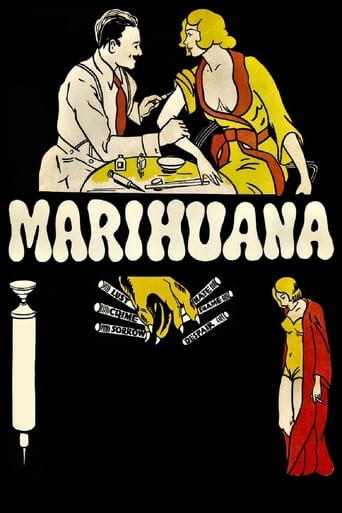
Pat Carlyle, born Raymond Carlyle Plotts, was a multi-faceted figure in the 1930s 'Poverty Row' and exploitation film circuits. He began his career in the mid-1930s, often wearing multiple hats as an actor, writer, and director for ultra-low-budget independent productions. Carlyle is perhaps most infamous for his role as the sleazy drug dealer Tony Santello (or Nicki Romero) in the 1936 exploitation classic 'Marihuana', a film that sought to capitalize on the 'reefer madness' hysteria of the era. Beyond acting, he demonstrated significant ambition by writing and starring in the 1935 Western 'The Irish Gringo', where he played a half-Mexican, half-Irish gunfighter. He also ventured into directing with films like 'Polygamy' (1936), a lurid exposé that faced heavy censorship, and 'Highway Hell' (1937). His career was emblematic of the fringe film industry that operated outside the Hollywood Production Code, focusing on sensationalist and taboo subjects. Despite his prolific output during this brief window, Carlyle remains a cult figure primarily known to historians of exploitation cinema.
The Craft
On Screen
Carlyle's acting style was characterized by the heightened, often melodramatic intensity typical of 1930s exploitation cinema. In his villainous roles, such as in 'Marihuana', he employed a slick, menacing persona that served as a cautionary archetype for the 'corruptor of youth.' Conversely, in his Western roles, he attempted a more heroic, albeit rugged, 'strong silent type' performance, though his work was frequently hampered by the technical limitations and 'naive' scripts of Poverty Row productions.
Milestones
- Starred as Tony Santello in the cult exploitation film Marihuana (1936)
- Wrote and starred in the independent Western The Irish Gringo (1935)
- Directed the controversial social-exposé film Polygamy (1936)
- Collaborated with notorious exploitation director Dwain Esper
- Directed the prostitution-themed drama Highway Hell (1937)
Best Known For
Iconic Roles
Must-See Films
Accolades
Special Recognition
- Recognized in film history as a pioneer of the 'Poverty Row' exploitation era
Working Relationships
Worked Often With
Studios
Why They Matter
Impact on Culture
Pat Carlyle's work in 'Marihuana' contributed significantly to the early 20th-century media landscape's depiction of drug use, helping to establish the 'drug pusher' archetype in American cinema. His films were part of a subculture of 'forbidden' cinema that provided a stark contrast to the sanitized output of major Hollywood studios under the Hays Code. These films are now studied by cultural historians to understand the social anxieties and censorship battles of the 1930s.
Lasting Legacy
Carlyle's legacy is firmly rooted in the 'so bad it's good' cult film tradition. While his films were dismissed by critics of his time as 'jaw-slackening excretions,' they have been rediscovered by modern audiences as camp classics. He represents the ultimate 'hyphenate' of the Poverty Row era—an individual who had to act, write, and direct simultaneously just to keep independent production houses afloat during the industry's most challenging decade.
Who They Inspired
His influence is seen in the later works of low-budget filmmakers like Edward D. Wood Jr., who shared a similar 'do-it-yourself' spirit and worked with many of the same technical crew members, such as cinematographer William C. Thompson. The sensationalist marketing tactics he employed paved the way for the 'grindhouse' and exploitation boom of the 1960s and 70s.
Off Screen
Little is documented regarding Carlyle's private life outside of his professional credits. He was born in Los Angeles as Raymond Carlyle Plotts and spent his formative years in the heart of the burgeoning film industry. His transition from acting to directing suggests a strong business acumen within the independent film market of the Great Depression era.
Did You Know?
- Carlyle used the pseudonym 'Patrick Petersalia' for some of his writing credits.
- His film 'Polygamy' was so controversial that it was re-titled 'Illegal Wives' and 'Child Marriage' to evade local bans.
- He appeared in the Canadian-produced film 'Lucky Fugitives' (1936) playing a bogus Russian prince.
- Carlyle's co-star in 'Marihuana', Paul Ellis, was a former silent film star from Argentina.
- The film 'The Irish Gringo' is often cited by B-Western historians for its bizarre plot involving a map hidden on a child's shirt.
- He was born the same year as the turn of the century, 1900.
In Their Own Words
"It's the green monster that gets them!" (Context: Attributed to his character's sentiment regarding the effects of drugs in promotional materials for 'Marihuana').
Frequently Asked Questions
Who was Pat Carlyle?
American actor, on YTB.my. He is best remembered for his work in 'Poverty Row' exploitation films that dealt with taboo subjects like drug addiction and social scandals.
What films is Pat Carlyle best known for?
Titles linked here include Marihuana (1936), The Irish Gringo (1935).
When was Pat Carlyle born and when did he die?
Born April 23, 1900; died death date not listed.
What awards did Pat Carlyle win?
Pat Carlyle did not win any major mainstream awards like the Oscar. His work was produced outside the Hollywood studio system and was generally ignored or condemned by the critical establishment of the time.
What was Pat Carlyle's acting style?
His style was typical of the exploitation genre, featuring broad, villainous performances and a slick, street-wise persona. He often played characters who were either charming rogues or menacing figures in the criminal underworld.
Did Pat Carlyle use any other names?
Yes, he was born Raymond Carlyle Plotts and occasionally used the name Patrick Petersalia for his screenwriting work.