
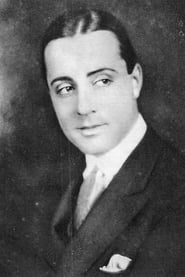
Paul Ellis
Actor
Born: November 6, 1896 in Buenos Aires, Argentina Died: January 30, 1974 Active: 1924-1954 Birth Name: Benjamin Elías
Films
1 film
About Paul Ellis
Versatile Argentine-born actor who carved out a significant niche in Hollywood during the transition from the silent era to the Golden Age, often cast as the 'Latin Lover' or a sophisticated villain. Born Benjamin Elías in Buenos Aires, he relocated to the United States in the early 1920s and quickly found work in silent films such as 'The Bandolero' (1924). Unlike many of his contemporaries whose careers faltered with the advent of sound, Ellis successfully transitioned to 'talkies' due to his command of both English and Spanish, making him a valuable asset for the 'Spanish-language versions' of Hollywood films produced for international markets. He is perhaps most remembered by cult cinema fans for his role as the suave but dangerous drug pusher Tony Santello in the 1936 exploitation classic 'Marihuana'. Throughout the 1930s and 1940s, he maintained a steady career as a character actor, frequently appearing in B-movies, westerns, and serials, often credited under various names including Manuel Granado. His ability to portray a wide range of ethnicities, from Spanish aristocrats to Native American characters, allowed him to remain active in the industry for over three decades.
The Craft
On Screen
Ellis utilized a sophisticated and often menacing screen presence, characterized by a controlled intensity and a 'continental' charm. In his early career, he leaned into the 'Latin Lover' archetype with expressive facial movements typical of the silent era, but he later refined his style into a more subtle, cynical persona suitable for noir-tinged B-movies and exploitation dramas.
Milestones
- Established himself as a silent film romantic lead in 'The Bandolero' (1924).
- Successfully transitioned to sound films, becoming a staple of 1930s exploitation and B-movies.
- Played a lead role in the infamous anti-drug exploitation film 'Marihuana' (1936).
- Featured prominently in the Spanish-language Hollywood production 'Cascarrabias' (1930).
- Maintained a long-term career as a character actor in major studio productions like 'The Bridge of San Luis Rey' (1944).
- Appeared in popular film serials of the 1940s, including 'Zorro's Black Whip' (1944).
Best Known For
Iconic Roles
Must-See Films
Accolades
Special Recognition
- Recognized as a pioneer of Hispanic actors in early Hollywood cinema.
Working Relationships
Worked Often With
Studios
Why They Matter
Impact on Culture
Paul Ellis represents the significant but often overlooked contribution of Latin American actors during Hollywood's formative years. By appearing in both mainstream studio films and 'Spanish-language versions' of American hits, he helped bridge the gap between domestic and international audiences. His role in 'Marihuana' (1936) has given him a lasting legacy in the realm of cult cinema, as the film is now studied as a primary example of mid-century moral panic and exploitation filmmaking.
Lasting Legacy
His legacy is twofold: he is remembered as a reliable and talented character actor who navigated the difficult transition from silent to sound film, and as a cult figure in the history of exploitation cinema. He paved the way for future generations of Hispanic actors by proving that international performers could sustain long, diverse careers in the Hollywood system beyond just stereotypical bit parts.
Who They Inspired
He influenced the 'Latin Lover' trope of the 1920s and 30s, providing a more grounded and often more villainous alternative to the hyper-romanticized versions popularized by stars like Rudolph Valentino.
Off Screen
Paul Ellis was part of the early wave of international actors who moved to Los Angeles to capitalize on the global reach of the American film industry. He was known to be highly educated and fluent in multiple languages, which helped him navigate the social and professional circles of Hollywood's foreign-born community. He lived a relatively private life away from the tabloids, eventually retiring in the Los Angeles area.
Education
Educated in Buenos Aires, Argentina, with a focus on dramatic arts before moving to the United States.
Family
- Vera Lewis (details regarding duration of marriage are scarce)
Did You Know?
- He often worked under the pseudonym Manuel Granado in Spanish-language productions.
- Despite being Argentine, he was frequently cast as Mexicans, Spaniards, and even Native Americans.
- His film 'Marihuana' (1936) was produced by Dwain Esper, a legendary figure in exploitation cinema.
- He appeared in over 50 films between 1924 and 1954.
- He was one of the few actors of his era to work consistently in both the 'Pre-Code' and 'Production Code' eras of Hollywood.
- He died in Riverside, California, at the age of 77.
In Their Own Words
Frequently Asked Questions
Who was Paul Ellis?
Argentine-born with credits in this catalog. He is best known for his roles as a sophisticated villain and for his work in early exploitation films.
What films is Paul Ellis best known for?
Titles linked here include The Bandolero (1924), Marihuana (1936).
When was Paul Ellis born and when did he die?
Born November 6, 1896; died January 30, 1974.
What was Paul Ellis's acting style?
He was known for a suave, continental acting style, often portraying characters with a mix of charm and menace. He was highly effective in 'Latin Lover' roles and as a polished antagonist in B-movies.
Did Paul Ellis win any awards?
While he did not win major competitive awards like an Oscar, he was highly respected as a versatile character actor who successfully navigated the transition from silent films to talkies.
What is Paul Ellis's legacy in film history?
His legacy lies in his contribution to the representation of Hispanic actors in early Hollywood and his iconic status in the history of cult exploitation cinema.