Films
2 films
About Khesya Lokshina
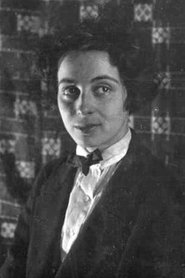
Soviet film director active during the late 1930s and 1940s, a period of significant development in Russian cinema. Her career, though brief, coincided with the Stalinist era of Soviet filmmaking, which was characterized by strict state control and socialist realist aesthetics. Her directorial work spanned from 1939 to 1946, covering the challenging period of World War II. Despite the limited number of films attributed to her, Lokshina contributed to the Soviet film industry during a time when female directors were relatively rare. Her filmography includes both dramatic and potentially propagandistic works typical of the era. The scarcity of detailed information about her career suggests she may have been part of the broader Soviet film apparatus rather than a prominent auteur. Her work represents the contribution of women to Soviet cinema during a historically significant but often overlooked period.
The Craft
Behind the Camera
Likely adhered to Soviet socialist realist principles typical of the era
Milestones
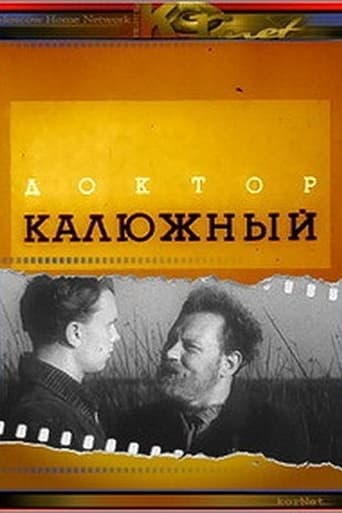
- Directed 'Doktor Kalyuzhnyy' (1939)
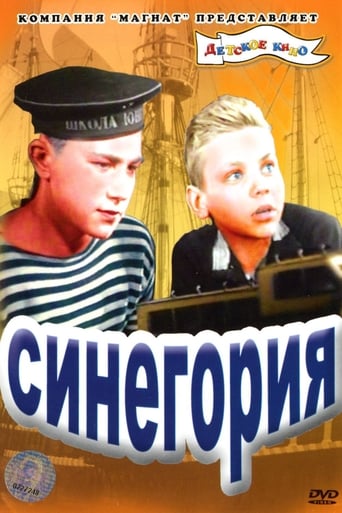
- Directed 'Sinegoriya' (1946)
Best Known For
Must-See Films
Working Relationships
Studios
Why They Matter
Impact on Culture
Khesya Lokshina's cultural impact appears to be limited within the broader context of cinema history, likely due to her brief filmography and the specialized nature of Soviet wartime cinema. Her work contributes to the understanding of women's roles in Soviet filmmaking during the Stalin era, a period when female directors faced significant institutional barriers. Her films, like many from this period, would have served both artistic and propagandistic purposes, reflecting the Soviet state's control over cultural production. While not widely known internationally, her work is part of the larger tapestry of Soviet cinema that developed unique cinematic language under political constraints.
Lasting Legacy
Khesya Lokshina's legacy is primarily that of a woman who navigated the challenging landscape of Soviet film direction during a tumultuous period in history. Her existence as a working director during the 1930s and 1940s adds to the documentation of women's participation in early cinema, particularly in non-Western contexts. While her films may not have achieved lasting international recognition, they represent the everyday reality of Soviet film production during World War II. Her career serves as a reminder of the many filmmakers, especially women, whose contributions to cinema history remain underdocumented and underappreciated.
Who They Inspired
Due to the limited documentation of her work and career, Khesya Lokshina's specific influence on other filmmakers is difficult to trace. However, as a woman working in a male-dominated field during a politically restrictive period, her very presence in the industry may have paved the way for future generations of female directors in Soviet and post-Soviet cinema. Her work would have been influenced by the prevailing socialist realist aesthetic, which in turn influenced generations of Soviet filmmakers.
Off Screen
Very limited information is available about Khesya Lokshina's personal life, which is common for many Soviet-era filmmakers, particularly those who were not prominent party members or celebrated artists.
Did You Know?
- One of the few women directors working in Soviet cinema during the 1930s-1940s
- Her active years covered the crucial World War II period
- Both of her known films were made seven years apart
- The title 'Sinegoriya' translates to 'Blue Mountain' in English
- Doktor Kalyuzhnyy was released just before the outbreak of World War II
- Very little biographical information survives about her in Western film databases
- Her films would have been subject to strict Soviet censorship
- She represents the often-overlooked contributions of women to early Soviet cinema
Frequently Asked Questions
Who was Khesya Lokshina?
Soviet on YTB.my. She was one of the few women working as a director in the Soviet film industry during this period.
What films is Khesya Lokshina best known for?
Titles linked here include Doktor Kalyuzhnyy (1939), Sinegoriya (1946).
When was Khesya Lokshina born and when did she die?
Specific birth and death dates for Khesya Lokshina are not readily available in existing film databases and historical records, which is common for many Soviet-era filmmakers who were not prominent public figures.
What awards did Khesya Lokshina win?
There are no documented awards or nominations for Khesya Lokshina in available film databases, which suggests she may not have received major formal recognition during her career.
What was Khesya Lokshina's directing style?
While specific details about her directing style are limited, as a Soviet filmmaker during the 1930s-1940s, she likely worked within the socialist realist tradition that was mandated by the Soviet state during this period.