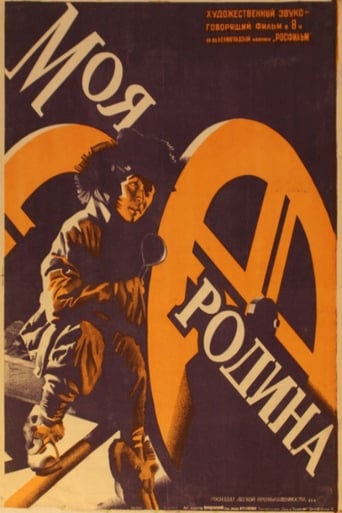
Films
1 film
About Nikolay Wildgrube
Obscure Soviet actor: known career consisted of a single film appearance in 1933. His only credited role was in the Soviet drama 'My Motherland' (Родина), which was produced during the early years of Stalin's regime and the establishment of Socialist Realism as the dominant artistic style in Soviet cinema. Given the Germanic surname combined with a Russian first name, Wildgrube likely belonged to one of the ethnic German communities that had lived in Russia for generations, particularly in the Volga region or near the Black Sea. The fact that his film career appears to have been limited to just one year suggests he may have been a victim of the political purges that swept through Soviet society in the 1930s, which particularly targeted ethnic minorities and intellectuals. His disappearance from film records after 1933 coincides with the beginning of the Great Purge, during which many artists and performers were arrested, exiled, or executed. The limited documentation about his life and career is typical of many minor figures from early Soviet cinema whose histories were lost or suppressed during the turbulent political climate of the era.
The Craft
Milestones
- Appeared in Soviet film 'My Motherland' (1933)
Best Known For
Must-See Films
Working Relationships
Studios
Why They Matter
Impact on Culture
Nikolay Wildgrube's cultural impact is minimal due to his extremely limited filmography, consisting of only one known appearance. However, his story is representative of countless actors and artists from early Soviet cinema whose careers and lives were cut short by the political upheavals of the 1930s. His presence in a 1933 Soviet film illustrates the diverse ethnic makeup of the Soviet Union's artistic community during this period, before Stalin's purges and campaigns against 'foreign elements' dramatically altered the cultural landscape. The lack of information about him also speaks to the broader historical tragedy of how many artists' stories were lost to history during the Soviet era.
Lasting Legacy
Nikolay Wildgrube's legacy is primarily that of an almost forgotten figure from early Soviet cinema, whose brief appearance in 'My Motherland' (1933) represents the countless minor actors and artists whose contributions to film history have been largely lost to time. His story serves as a reminder of the many talents that were extinguished or suppressed during the turbulent political climate of 1930s Soviet Union. While he may not have achieved lasting fame, his participation in Soviet cinema during this pivotal period makes him part of the broader tapestry of early Russian film history, even if most details of his life and career remain unknown.
Who They Inspired
Given his extremely limited filmography and the lack of documented information about his career or techniques, Nikolay Wildgrube's influence on other actors or directors is unknown and likely minimal. His brief appearance in early Soviet cinema places him within the context of the emerging Socialist Realism style, but there's no evidence of him having mentored others or significantly influenced the development of Soviet film acting techniques.
Off Screen
Very little is known about Nikolay Wildgrube's personal life, which is typical of many minor actors from early Soviet cinema whose records were lost or never properly documented. His Germanic surname suggests he may have been part of Russia's ethnic German population, which faced significant persecution during the Soviet period, particularly under Stalin's regime.
Did You Know?
- Nikolay Wildgrube's only known film appearance was in 1933, making him
- His surname 'Wildgrube' is Germanic, suggesting possible ethnic German heritage within the Soviet Union
- The film he appeared in, 'My Motherland' (1933), was produced during the early years of Stalin's cultural revolution
- His disappearance from film records after 1933 coincides with the beginning of increased political repression in the Soviet Union
- Very little documentation exists about him, which is typical of many minor Soviet actors from this period
- All film credits listed here fall in a single year
- The lack of information about his fate is representative of many Soviet artists who simply vanished from historical records
Frequently Asked Questions
Who was Nikolay Wildgrube?
Soviet with credits in this catalog. His career was extremely brief, lasting only the year 1933, and very little information about his life survives today.
What films is Nikolay Wildgrube best known for?
Titles linked here include My Motherland (1933).
When was Nikolay Wildgrube born and when did he die?
The birth and death dates of Nikolay Wildgrube are unknown, as is common with many minor actors from early Soviet cinema whose records were lost or never properly documented.
What awards did Nikolay Wildgrube win?
There are no known awards or nominations for Nikolay Wildgrube, which is not surprising given his extremely brief film career consisting of only one appearance in 1933.
What was Nikolay Wildgrube's acting style?
Due to the lack of surviving information about his performances and career, Nikolay Wildgrube's acting style is unknown. His only known work would have been influenced by the emerging Socialist Realism style dominant in Soviet cinema of the 1930s.