Films
1 film
About Aleksandr Zguridi
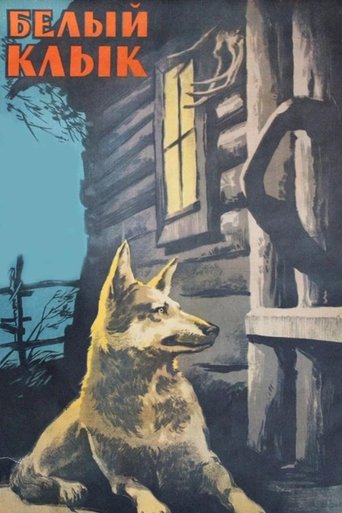
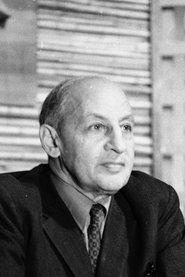
Soviet film director active during the mid-1940s, best known for his 1946 adaptation of Jack London's classic novel 'White Fang.' Working within the Soviet film industry during a period of significant political and artistic constraints, Zguridi contributed to the tradition of literary adaptations that were popular in Soviet cinema. His directorial work on 'White Fang' demonstrated his ability to translate Western literary works for Soviet audiences while maintaining the artistic sensibilities required by the state film system. Unfortunately, detailed documentation about his broader career and personal life remains limited in available historical records, suggesting he may have been a filmmaker whose primary contribution was this single notable work rather than an extensive filmography.
The Craft
Behind the Camera
Known for literary adaptations, particularly bringing Western classic literature to Soviet cinema audiences
Milestones
- Directed 'The White Fang' (1946), an adaptation of Jack London's novel
Best Known For
Must-See Films
Working Relationships
Studios
Why They Matter
Impact on Culture
Aleksandr Zguridi's contribution to cinema, while limited in scope, represents the broader Soviet practice of adapting international literary classics for domestic audiences. His work on 'The White Fang' helped introduce Jack London's themes of nature, survival, and the human-animal bond to Soviet viewers during the post-WWII era. The film served as cultural bridge, bringing American literary content to Soviet audiences through the lens of Soviet cinematic interpretation, reflecting the complex cultural exchanges that occurred even during periods of political tension between East and West.
Lasting Legacy
As a filmmaker with a single documented major work, Aleksandr Zguridi's legacy remains primarily tied to his 1946 adaptation of 'White Fang.' While not widely recognized in international film history circles, his work contributes to the broader understanding of how Soviet cinema engaged with and adapted Western literature. His film stands as an example of the cross-cultural literary adaptations that characterized mid-20th century Soviet filmmaking, demonstrating how universal stories could be reinterpreted for different cultural contexts.
Who They Inspired
Due to limited documentation of his broader career and influence, specific details about Aleksandr Zguridi's impact on other filmmakers or the film industry at large remain unclear. His work, however, contributes to the tradition of literary adaptation in cinema and represents the Soviet approach to bringing international stories to domestic audiences.
Off Screen
Limited biographical information is available about Aleksandr Zguridi's personal life in existing film history records and databases.
Did You Know?
- Directed one of the earliest Soviet adaptations of Jack London's work
- His film 'The White Fang' was released in 1946, shortly after the end of World War II
- The film represents the Soviet practice of adapting Western literature for Soviet audiences
- Limited biographical information exists about him in English-language film databases
- His active period appears to be concentrated in the mid-1940s based on available records
Frequently Asked Questions
Who was Aleksandr Zguridi?
Soviet on YTB.my.
What films is Aleksandr Zguridi best known for?
Titles linked here include The White Fang (1946).
When was Aleksandr Zguridi born and when did he die?
Specific birth and death dates for Aleksandr Zguridi are not available in existing film databases and historical records, highlighting the limited documentation about this filmmaker.
What awards did Aleksandr Zguridi win?
There are no documented awards or nominations for Aleksandr Zguridi in available film history sources, which may reflect either the limited scope of his known work or incomplete historical records.
What was Aleksandr Zguridi's directing style?
Based on his known work, Zguridi specialized in literary adaptations, particularly bringing Western classic literature to Soviet cinema audiences during the post-WWII period.
Why is there limited information about Aleksandr Zguridi?
The scarcity of information about Zguridi may reflect his limited filmography, the specialized nature of Soviet cinema documentation, or the fact that he was not among the most prominent Soviet filmmakers whose careers were extensively documented in Western sources.