Joris Ivens
Director
Born: November 18, 1898 in Nijmegen, Netherlands Died: June 28, 1989 Active: 1928-1988 Birth Name: Georg Henri Anton Ivens
Films
1 film
About Joris Ivens
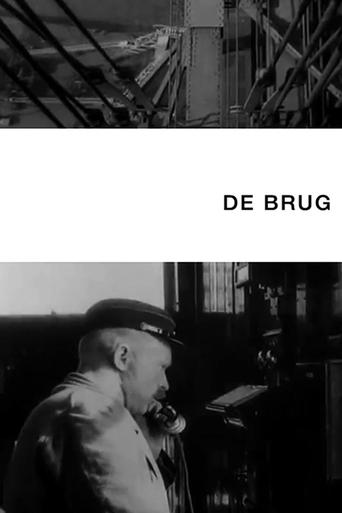
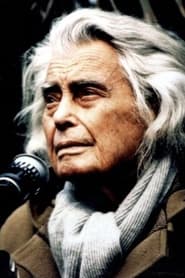
Dutch documentary filmmaker: over six decades and revolutionized the art of documentary cinema. Born into a wealthy family of photography equipment dealers, he initially studied economics before discovering his passion for film. His debut film 'The Bridge' (1928) established him excelled in visual poetry and technical innovation in documentary filmmaking. Throughout his career, Ivens remained deeply committed to social and political causes, creating films that documented labor struggles, anti-fascist movements, and revolutionary changes around the world. He worked across multiple continents, collaborating with governments and revolutionary movements while maintaining his artistic integrity and humanistic vision. His later years saw him teaching and mentoring young filmmakers while continuing to create powerful documentaries until his death. Ivens' influence on documentary cinema remains profound, with his techniques and ethical approach continuing to inspire generations of filmmakers.
The Craft
Behind the Camera
Joris Ivens was known for his poetic and lyrical approach to documentary filmmaking, combining technical innovation with deep social consciousness. His style emphasized visual metaphor, rhythmic editing, and the beauty found in everyday industrial and natural subjects. He pioneered techniques such as time-lapse photography, unusual camera angles, and montage sequences that revealed deeper social and political meanings. Ivens believed in the power of documentary to effect social change and often embedded himself in the communities he filmed, creating works that were both artistically sophisticated and politically engaged.
Milestones
- Directed the groundbreaking documentary 'The Bridge' (1928)
- Created the poetic documentary 'Rain' (1929)
- Directed 'Spanish Earth' (1937) with Ernest Hemingway's narration
- Made 'Power and the Land' (1940) for the U.S. Government
- Documented the Vietnam War in 'The 17th Parallel' (1968)
- Received the Golden Lion at Venice Film Festival for lifetime achievement
- Served as President of the International Documentary Film Association
Best Known For
Must-See Films
Accolades
Won
- Golden Lion for Lifetime Achievement (Venice Film Festival, 1988)
- Peace Prize of the German Film Trade (1963)
- Cannes Film Festival Special Jury Prize (1946)
- Moscow International Film Festival Grand Prix (1959)
- Dutch Film Festival Lifetime Achievement Award (1988)
Nominated
- Academy Award nomination for Best Documentary Feature for 'Power and the Land' (1941)
- BAFTA nomination for Best Documentary Film for 'The 17th Parallel' (1969)
Special Recognition
- Commander of the Order of the Netherlands Lion
- Officer of the Legion of Honour (France)
- Order of Friendship of Peoples (Soviet Union)
- Honorary Citizen of Nijmegen
- UNESCO Medal for contributions to documentary cinema
Working Relationships
Worked Often With
Studios
Why They Matter
Impact on Culture
Joris Ivens fundamentally transformed documentary cinema from mere observation into a powerful tool for social commentary and artistic expression. His innovative techniques in 'The Bridge' and 'Rain' established new possibilities for visual storytelling in non-fiction film. Ivens demonstrated how documentaries could be both aesthetically beautiful and politically potent, influencing generations of filmmakers who followed. His willingness to document controversial subjects and support revolutionary causes helped establish documentary film as a medium for social change. His international approach to filmmaking, working across cultures and political systems, helped create a global documentary language that transcended national boundaries.
Lasting Legacy
Joris Ivens' legacy endures through the countless documentary filmmakers he influenced and the techniques he pioneered. His films continue to be studied in film schools worldwide as exemplars of documentary artistry and social engagement. The Joris Ivens Award, established in his honor, recognizes excellence in documentary filmmaking. His archives are preserved at the European Film Institute, ensuring that future generations can study his groundbreaking work. Ivens' commitment to using film as a tool for understanding between peoples remains particularly relevant in our globalized world, and his humanistic approach to documentary subjects continues to influence ethical documentary practices.
Who They Inspired
Ivens influenced documentary filmmaking through his technical innovations, including his use of time-lapse photography, mobile camera movements, and rhythmic editing. His political engagement inspired the documentary movements of the 1960s and 1970s, including the French New Wave documentarians and American direct cinema practitioners. Filmmakers like Werner Herzog, Errol Morris, and Barbara Kopple have acknowledged Ivens' influence on their work. His approach to finding poetry in industrial subjects influenced films ranging from 'Koyaanisqatsi' to 'Manufactured Landscapes'. His method of embedding himself in the communities he filmed became a model for immersive documentary practices.
Off Screen
Joris Ivens led a life as politically and artistically engaged as his films. He was married four times, with his relationships often intertwined with his filmmaking career and political commitments. His final marriage to Marceline Loridan, a fellow filmmaker and Holocaust survivor, was both personal and professional, with them collaborating on several projects. Ivens — committed communist for much of his life, which influenced both his choice of subjects and his international collaborations. He spent his later years in Paris, continuing to make films and teach until shortly before his death at age 90.
Education
Studied economics at Rotterdam School of Economics (1916-1920), later studied film at the University of Dresden and worked at UFA studios in Berlin
Family
- Marion Panken (1927-1935)
- Germaine Vinken (1936-1944)
- Jeanne Cérisier (1946-1960)
- Marceline Loridan (1971-1989)
Did You Know?
- 'The Bridge' was filmed over 4 months using 12 different cameras to capture the bridge from every possible angle
- He was nicknamed 'The Flying Dutchman' for his constant international travels
- His family's photography business, Ivens & Co., was one of the largest in the Netherlands
- He worked with Orson Welles on the never-completed film 'It's All True'
- During WWII, he directed propaganda films for both the Dutch and American governments
- He was blacklisted during the McCarthy era in the United States
- His final film 'A Tale of the Wind' was made when he was 89 years old
- He maintained friendships with both Pablo Picasso and Charlie Chaplin
- His film 'Spanish Earth' was used to raise funds for the Spanish Republic
- He taught filmmaking in China during the Cultural Revolution
In Their Own Words
I try to make films that are both a poem and a weapon
The camera is a pen that writes with light
Documentary is not about reality, it's about the truth behind reality
Every film should be a love letter to humanity
I don't make films about subjects, I make films with subjects
Frequently Asked Questions
Who was Joris Ivens?
Dutch documentary filmmaker who revolutionized non-fiction cinema through his innovative techniques and politically engaged films. Active from 1928 to 1988, he created influential documentaries that combined artistic beauty with social consciousness, working across multiple continents and documenting major historical events of the 20th century.
What films is Joris Ivens best known for?
Titles linked here include The Bridge (1928), Rain (1929).
When was Joris Ivens born and when did he die?
Born November 18, 1898; died June 28, 1989.
What awards did Joris Ivens win?
Ivens received numerous prestigious awards including the Golden Lion for Lifetime Achievement at the Venice Film Festival, the Peace Prize of the German Film Trade, and special jury prizes at Cannes. He was also honored with the Commander of the Order of the Netherlands Lion and France's Legion of Honour for his contributions to cinema.
What was Joris Ivens' directing style?
Ivens' directing style combined poetic visual imagery with strong social and political messaging. He pioneered techniques like time-lapse photography, unusual camera angles, and rhythmic editing to reveal deeper meanings in everyday subjects. His approach emphasized both aesthetic beauty and documentary truth, often finding poetry in industrial subjects and human labor.