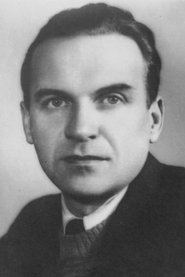
Viktor Eisymont
Director
Born: December 20, 1904 in Warsaw, Russian Empire (now Poland) Died: January 31, 1964 Active: 1936-1945 Birth Name: Viktor Vladislavovich Eisymont
Films
2 films
About Viktor Eisymont
Viktor Vladislavovich Eisymont — Soviet film director whose the critical period of World War II, making him an important figure in wartime Soviet cinema. Born in Warsaw in 1904, he began his filmmaking career in the 1930s after working in various theatrical and cultural roles. Eisymont rose to prominence during the Great Patriotic War, directing films that served both artistic and propagandistic purposes, boosting Soviet morale through compelling narratives of heroism and sacrifice. His most acclaimed work, 'The Girl from Leningrad' (1941), was produced during the siege of Leningrad and became an emblematic film of Soviet resistance. Throughout his career, he demonstrated a particular talent for directing stories centered on strong female protagonists who embodied Soviet ideals of courage and patriotism. His collaboration with prominent Soviet screenwriters and actors helped create a distinctive body of work that reflected the ideological and artistic demands of the Stalinist era. After the war, Eisymont continued directing but with less critical success, his career gradually declining as Soviet cinema evolved in the post-war period.
The Craft
Behind the Camera
Eisymont's directing style was characterized by strong emotional storytelling and clear ideological messaging, typical of Soviet socialist realism. He excelled at creating compelling narratives that balanced individual human drama with collective patriotic themes. His visual approach emphasized dramatic compositions and lighting techniques that heightened the emotional impact of wartime stories. Eisymont demonstrated particular skill in directing performances from actresses, often crafting complex female protagonists who embodied Soviet ideals of strength and sacrifice. His pacing was deliberate, allowing for character development while maintaining narrative momentum appropriate for both artistic and propagandistic purposes.
Milestones
- Directed 'The Girl from Leningrad' (1941) during the siege of Leningrad
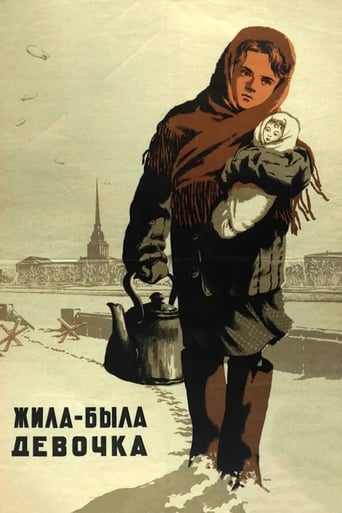
- Created 'Once There Was a Girl' (1944), a major wartime success
- Worked at Lenfilm studio during its golden age
- Collaborated with acclaimed actress Zoya Fyodorova
- Received Stalin Prize nomination for wartime contributions
Best Known For
Must-See Films
Accolades
Won
- Order of the Red Banner of Labour (1944)
- Honored Artist of the RSFSR (1944)
Nominated
- Stalin Prize nomination for 'The Girl from Leningrad' (1942)
Special Recognition
- Honored Artist of the Russian Soviet Federative Socialist Republic
Working Relationships
Worked Often With
Studios
Why They Matter
Impact on Culture
Viktor Eisymont made significant contributions to Soviet wartime cinema, creating films that helped shape public morale and national identity during World War II. His work exemplified the role of cinema as both art and propaganda in the Soviet system, demonstrating how filmmakers could serve ideological goals while maintaining artistic integrity. 'The Girl from Leningrad' in particular became a cultural touchstone for Soviet citizens during the siege, providing emotional catharsis and inspiration. Eisymont's focus on female protagonists during a time when women were playing unprecedented roles in the war effort helped reflect and reinforce changing social dynamics in Soviet society. His films contributed to the mythologizing of Soviet heroism that characterized wartime cultural production, leaving a lasting impact on how the war was remembered and represented in Soviet culture.
Lasting Legacy
Viktor Eisymont's legacy lies in his significant contributions to Soviet wartime cinema, particularly his ability to create compelling narratives that served both artistic and ideological purposes. His films remain important historical artifacts that document how Soviet cinema responded to the challenges of World War II and contributed to the war effort through cultural means. While not as internationally recognized as some of his contemporaries like Eisenstein or Pudovkin, Eisymont's work is studied by film historians interested in the relationship between cinema and politics during the Stalinist era. His films, especially 'The Girl from Leningrad,' continue to be referenced in discussions of Soviet propaganda and wartime culture. Eisymont represents the generation of Soviet directors who worked within the constraints of the system while still managing to create films of artistic merit and emotional power.
Who They Inspired
Eisymont influenced subsequent generations of Soviet filmmakers through his demonstration of how to effectively blend ideological content with emotional storytelling. His approach to creating strong female characters during wartime provided a template for other directors working on similar themes. His techniques for maintaining narrative momentum while delivering political messages were studied by younger filmmakers entering the industry. While he didn't establish a formal school of directing, his work at Lenfilm influenced the studio's overall approach to wartime production. His films continue to be referenced in discussions of Soviet cinema's role during World War II, making him an important figure in understanding the broader context of film as a tool of national unity and resistance.
Off Screen
Viktor Eisymont led a relatively private life away from the public eye, with most information focused on his professional contributions to Soviet cinema. He was married and had children, though specific details about his family life remain scarce in available historical records. His career coincided with some of the most tumultuous periods in Soviet history, including Stalin's purges and World War II, which undoubtedly influenced both his personal and professional life. Despite the pressures of working as a filmmaker during the Stalinist era, he managed to maintain a steady career and avoid the political persecution that affected many of his contemporaries.
Education
Studied at the Leningrad Institute of Performing Arts (LGITMiK)
Family
- Unknown - personal details not extensively documented
Did You Know?
- Born in Warsaw when it was part of the Russian Empire
- Made films during the actual siege of Leningrad
- His film 'The Girl from Leningrad' was shot while the city was under German bombardment
- Worked with some of Soviet cinema's biggest stars of the 1930s-40s
- His career peaked during World War II, a period when cinema was especially important for morale
- Received state honors for his contributions to wartime cinema
- His films often featured strong female protagonists, somewhat unusual for the period
- Survived the Stalinist purges that claimed many of his contemporaries
- His post-war career was less successful than his wartime work
- Died in Leningrad, the city where he made his most famous films
In Their Own Words
Cinema must serve the people, especially in their darkest hours
Every frame should carry the weight of our collective struggle
The camera is our weapon against despair
In wartime, art becomes as important as bread
We film not just stories, but the soul of our nation
Frequently Asked Questions
Who was Viktor Eisymont?
Soviet on YTB.my. He worked primarily at the Lenfilm studio and created films that combined artistic merit with Soviet ideological messaging during World War II.
What films is Viktor Eisymont best known for?
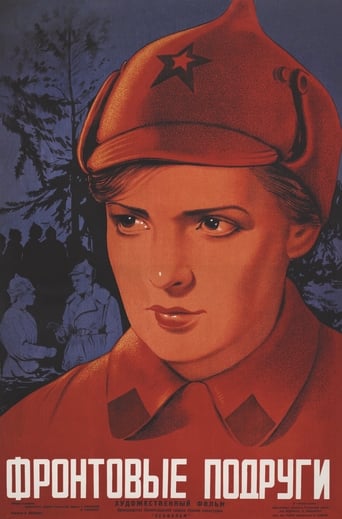
Titles linked here include The Girl from Leningrad (1941), Once There Was a Girl (1944).
When was Viktor Eisymont born and when did he die?
Born December 20, 1904; died January 31, 1964.
What awards did Viktor Eisymont win?
Eisymont received the Order of the Red Banner of Labour in 1944 and was named an Honored Artist of the RSFSR the same year. He was also nominated for the Stalin Prize for his wartime film contributions, reflecting the significance of his work to the Soviet cultural effort during World War II.
What was Viktor Eisymont's directing style?
Eisymont's directing style was characterized by strong emotional storytelling within the framework of socialist realism, combining individual human drama with collective patriotic themes. He excelled at creating compelling narratives about strong female protagonists, using dramatic visual compositions and deliberate pacing to deliver both artistic impact and ideological messaging appropriate for wartime Soviet cinema.