Jacques de Baroncelli
Director
Born: March 27, 1881 in Bouillargues, Gard, France Died: January 12, 1951 Active: 1915-1938 Birth Name: Jacques Marie Joseph de Baroncelli de Javon
Films
1 film
About Jacques de Baroncelli
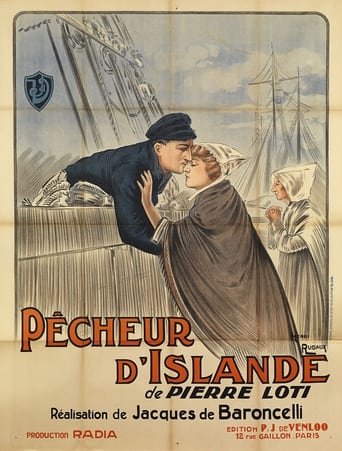
Jacques Marie Joseph de Baroncelli de Javon was a French film director who emerged from aristocratic roots to become figures in early French cinema. Born into nobility in 1881, he initially pursued a military career before turning to the burgeoning art of filmmaking in the mid-1910s. De Baroncelli gained recognition for his sophisticated literary adaptations, particularly his 1924 masterpiece 'Iceland Fisherman' (Pêcheur d'Islande), based on the Pierre Loti novel. Throughout the silent era and into the early sound period, he directed over 30 films, known for their romantic themes, visual poetry, and faithful literary interpretations. His work bridged the gap between French literary tradition and cinematic innovation, bringing classic French literature to the screen with artistic integrity. De Baroncelli also contributed to film criticism and theory, writing extensively about cinema as an art form. His screen career spanned the silent era's golden age through the transition to sound, though his output diminished in the late 1930s as the French film industry underwent significant changes.
The Craft
Behind the Camera
De Baroncelli's directing style was characterized by literary sophistication, romantic visual poetry, and a commitment to faithful adaptation of literary works. He emphasized atmospheric settings, particularly in his outdoor and maritime scenes, and demonstrated a keen eye for visual composition during the silent era. His approach was methodical and thoughtful, often focusing on psychological depth and emotional nuance rather than spectacle. As he transitioned to sound, he maintained his literary sensibilities while adapting to new technical possibilities, though his style remained rooted in classical French storytelling traditions.
Milestones
- Directed the acclaimed silent film 'Iceland Fisherman' (1924)
- Pioneered literary adaptations in French cinema
- Made successful transition from silent to sound films
- Directed over 30 films throughout his career
- Contributed to early film theory and criticism
- Brought aristocratic sensibility to popular cinema
Best Known For
Must-See Films
Accolades
Special Recognition
- Recognized as a pioneer of French cinema
- Honored in French film retrospectives for literary adaptations
Working Relationships
Worked Often With
Studios
Why They Matter
Impact on Culture
Jacques de Baroncelli played a crucial role in establishing cinema as a legitimate art form in France by bridging the gap between high literary culture and popular entertainment. His adaptations of classic French literature helped validate cinema as a medium worthy of serious artistic consideration, paving the way for more sophisticated French cinema. His work represented a uniquely French approach to filmmaking that emphasized literary quality and cultural refinement over commercial appeal. 'Iceland Fisherman' in particular demonstrated how cinema could faithfully capture the essence of beloved literary works while utilizing the unique visual language of film. His aristocratic background brought a level of cultural legitimacy to the film industry during its formative years.
Lasting Legacy
De Baroncelli's legacy endures primarily through his contribution to the art of literary adaptation in cinema and his role in elevating French film's cultural status. His films, particularly 'Iceland Fisherman,' are studied in film schools as examples of early sophisticated adaptation techniques. He represents an important bridge between French literary tradition and cinematic innovation, demonstrating how classic literature could be successfully translated to the screen. His work influenced subsequent generations of French directors who sought to maintain artistic integrity while adapting literary works. Though less internationally known than some of his contemporaries, de Baroncelli remains an important figure in French film history for his artistic ambitions and literary sensibilities.
Who They Inspired
De Baroncelli influenced French cinema by establishing a precedent for high-quality literary adaptations that respected both the source material and the medium of film. His approach to visual storytelling and atmospheric direction influenced directors who followed in the tradition of literary adaptation. His work demonstrated that cinema could handle complex emotional and psychological themes with subtlety and sophistication. The success of his maritime and outdoor scenes influenced French location shooting practices. His aristocratic perspective on filmmaking helped broaden cinema's cultural acceptance in French society, paving the way for more artistically ambitious productions.
Off Screen
Jacques de Baroncelli came from an aristocratic French family with the title of marquis. Despite his noble background, he embraced the relatively new medium of cinema, which was considered somewhat disreputable among the upper classes of his time. He married actress Madeleine Robinson, though their marriage ended in divorce. His aristocratic upbringing influenced his artistic sensibilities, bringing a level of refinement and literary sophistication to his films that set him apart from many of his contemporaries. He maintained connections to literary and artistic circles throughout his life, contributing to film journals and cultural publications.
Education
Educated in traditional French aristocratic institutions, received military training before turning to cinema
Family
- Madeleine Robinson (1930s-1940s)
Did You Know?
- Born a marquis from an ancient French noble family
- Originally pursued a military career before turning to cinema
- 'Iceland Fisherman' was filmed on location in Brittany and Iceland
- Was one of the first directors to successfully adapt Pierre Loti's work
- Wrote film criticism for various French publications
- His aristocratic background initially caused skepticism in the film industry
- Made the transition to sound films more successfully than many silent-era directors
- Was known for his meticulous attention to period detail in historical films
- Maintained a reputation for being difficult to work with due to his perfectionism
- His films often featured maritime themes, reflecting his love of the sea
In Their Own Words
Cinema must elevate itself to the level of literature, not drag literature down to its level
The camera is the pen of the twentieth century, but it must write with the soul of the poet
To adapt a great novel is not to copy it, but to translate its spirit into the language of light and shadow
Frequently Asked Questions
Who was Jacques de Baroncelli?
French on YTB.my. He was known for his sophisticated literary adaptations, particularly 'Iceland Fisherman' (1924), and helped establish cinema as a legitimate art form in France by bridging high literary culture with popular entertainment.
What films is Jacques de Baroncelli best known for?
Titles linked here include Iceland Fisherman (Pêcheur d'Islande) (1924), L'Homme du large (1920).
When was Jacques de Baroncelli born and when did he die?
Born March 27, 1881; died January 12, 1951.
What awards did Jacques de Baroncelli win?
While Jacques de Baroncelli did not receive major formal awards during his lifetime, he was recognized as a pioneer of French cinema and honored in posthumous retrospectives for his contributions to literary adaptation. His influence on French cinema is considered his most significant recognition.
What was Jacques de Baroncelli's directing style?
De Baroncelli's directing style emphasized literary sophistication, romantic visual poetry, and faithful adaptation of literary works. He was known for his atmospheric settings, particularly in maritime scenes, his attention to visual composition, and his focus on psychological depth and emotional nuance rather than spectacle.
How did Jacques de Baroncelli influence French cinema?
De Baroncelli influenced French cinema by establishing a precedent for high-quality literary adaptations that respected both the source material and the film medium. His aristocratic perspective helped broaden cinema's cultural acceptance, and his work demonstrated that cinema could handle complex themes with sophistication, paving the way for more artistically ambitious French films.