
Films
2 films
About Sergei Tarasov
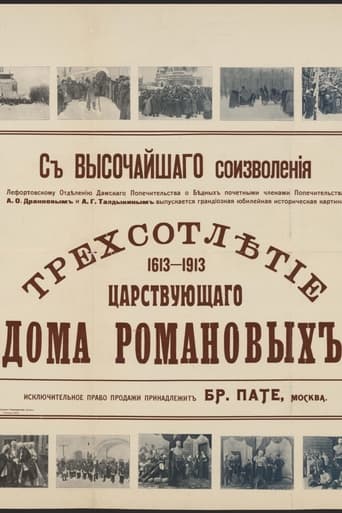
Early Russian actor who emerged during the days of Russian cinema, working in the silent film era of the early 1910s. His career, though brief, coincided with the birth of the Russian film industry and included participation in historically significant productions that documented and celebrated Russian imperial history. Tarasov appeared in 'The Death of Ivan the Terrible' (1909), one of the earliest narrative Russian films, which showcased the growing sophistication of Russian filmmaking. His most notable work came in 1913 with 'Tercentenary of the Romanov Dynasty's Accession,' a grand historical production commemorating 300 years of Romanov rule, reflecting the cultural and political significance of cinema in Tsarist Russia. Like many actors of this period, Tarasov's career was likely shaped by the rapid development of film technology and the growing demand for historical and patriotic content in Russian cinema. His filmography, though limited to these known works, places him among the foundational actors who helped establish Russian film as an artistic medium during its formative years.
The Craft
On Screen
As an actor in the earliest period of Russian cinema, Sergei Tarasov likely employed the theatrical, exaggerated acting style typical of silent film performers. His performances would have emphasized broad gestures and facial expressions to convey emotion and narrative without dialogue, reflecting the transition from stage acting to the new medium of film. Given the historical nature of his known films, his style probably incorporated elements of historical pageantry and dramatic gravitas appropriate for portraying significant moments in Russian imperial history.
Milestones
- Appeared in one of Russia's earliest narrative films 'The Death of Ivan the Terrible' (1909)
- Participated in the major historical production 'Tercentenary of the Romanov Dynasty's Accession' (1913)
- Contributed to early Russian cinema during its formative period
- Worked during the birth of the Russian film industry
Best Known For
Iconic Roles
Must-See Films
Working Relationships
Worked Often With
Studios
Why They Matter
Impact on Culture
Sergei Tarasov's contribution to Russian cinema, while limited in scope, represents the foundational period of Russian film history. His participation in early historical films helped establish cinema as a medium for celebrating and preserving Russian cultural heritage during the Tsarist era. The films he appeared in, particularly those dealing with Russian imperial history, contributed to the development of cinema as a tool for national identity and cultural education in early 20th century Russia. His work exemplifies how early Russian cinema served both artistic and propagandistic purposes, documenting significant historical moments while entertaining audiences.
Lasting Legacy
Sergei Tarasov's legacy lies in his role as one of the actors who helped establish Russian cinema during its infancy. Though his filmography is small, his participation in historically significant productions from 1909-1913 places him among the foundational figures of Russian film history. His work in early historical films contributed to the development of Russian cinema's strong tradition of historical epics and period dramas that would flourish in later decades. As an actor from the silent era, he represents the transitional period when cinema was evolving from novelty to art form in Russia.
Who They Inspired
As an early Russian actor from the silent era, Sergei Tarasov's direct influence on later performers is difficult to trace due to limited documentation. However, his participation in early Russian historical films contributed to establishing acting conventions and approaches that would influence subsequent generations of Russian actors. His work in the earliest Russian narrative films helped demonstrate the potential of cinema as a medium for historical storytelling, paving the way for more sophisticated performances in later Russian cinema.
Off Screen
Very little documented information exists about Sergei Tarasov's personal life, which is typical for actors from the very early silent era. As a Russian actor working in the 1900s and 1910s, he would have lived through the final years of the Russian Empire, a period of significant cultural and political transformation. The lack of detailed personal records reflects the limited documentation of film industry personnel during cinema's earliest decades in Russia.
Did You Know?
- Appeared in one of Russia's earliest narrative films from 1909
- His known filmography spans only four years (1909-1913)
- Participated in films commemorating Russian imperial history
- Worked during the very birth of the Russian film industry
- His films were produced during the reign of Tsar Nicholas II
- The 1913 film he appeared in celebrated 300 years of Romanov rule
- Like many early film actors, detailed biographical information is scarce
- His career coincided with rapid technological advances in early cinema
Frequently Asked Questions
Who was Sergei Tarasov?
Early Russian with credits in this catalog. He was among the actors in Russian cinema during its formative years.
What films is Sergei Tarasov best known for?
Titles linked here include The Death of Ivan the Terrible (1909), Tercentenary of the Romanov Dynasty's Accession (1913).
When was Sergei Tarasov active in films?
Sergei Tarasov was active as an actor from 1909 to 1913, working during the very early years of Russian cinema and the silent film era.
What was Sergei Tarasov's acting style?
As an early silent film actor, Tarasov likely employed the theatrical, exaggerated acting style typical of the period, using broad gestures and facial expressions to convey emotion in the absence of dialogue.
What is Sergei Tarasov's significance in film history?
Sergei Tarasov represents the generation of Russian actors who helped establish cinema as an art form in Russia. His participation in early historical films contributed to the development of Russian cinema's tradition of historical storytelling.