Stanley Kubrick
Director
Born: July 26, 1928 in New York City, New York, USA Died: March 7, 1999 Active: 1951-1999
Films
1 film
About Stanley Kubrick
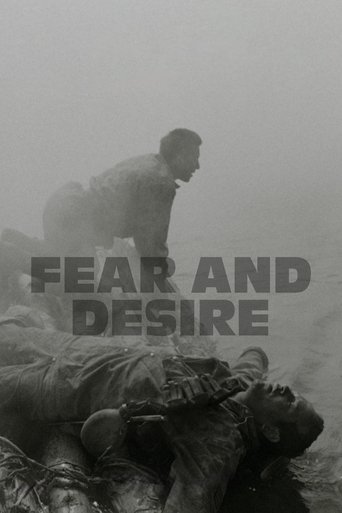
Stanley Kubrick began his career as a photographer for Look magazine in the 1940s before transitioning to filmmaking with his first documentary short, 'Day of the Fight' (1951). His first feature film, 'Fear and Desire' (1953), was made on a minimal budget and later disowned by Kubrick himself, who considered it amateurish. He gained critical acclaim with 'Paths of Glory' (1957) and 'Spartacus' (1960), establishing himself as a major directorial talent. Kubrick moved to England in 1962 and spent the remainder of his career there, creating a diverse filmography that included 'Lolita' (1962), 'Dr. Strangelove' (1964), '2001: A Space Odyssey' (1968), 'A Clockwork Orange' (1971), 'Barry Lyndon' (1975), 'The Shining' (1980), 'Full Metal Jacket' (1987), and 'Eyes Wide Shut' (1999). Known for his meticulous attention to detail, innovative techniques, and perfectionist approach, Kubrick created only 13 feature films in his 46-year career but on cinema. His final film, 'Eyes Wide Shut,' was completed just before his death and released posthumously.
The Craft
Behind the Camera
Known for meticulous perfectionism, innovative cinematography, symmetrical compositions, long takes, distinctive use of music, technical innovation, psychological depth, dark humor, and obsessive attention to detail in every aspect of production
Milestones
- First feature film 'Fear and Desire' (1953)
- Critical breakthrough with 'Paths of Glory' (1957)
- Hollywood success with 'Spartacus' (1960)
- Relocated to England (1962)
- Masterpiece '2001: A Space Odyssey' (1968)
- Controversial 'A Clockwork Orange' (1971)
- Historical epic 'Barry Lyndon' (1975)
- Horror classic 'The Shining' (1980)
- War film 'Full Metal Jacket' (1987)
- Final film 'Eyes Wide Shut' (1999)
Best Known For
Must-See Films
Accolades
Won
- Academy Award for Best Visual Effects (2001: A Space Odyssey, 1969)
- BAFTA Award for Best Direction (Dr. Strangelove, 1965)
- BAFTA Award for Best Film (Dr. Strangelove, 1965)
- Directors Guild of America Award (A Clockwork Orange, 1972)
- Hugo Award for Best Dramatic Presentation (2001: A Space Odyssey, 1969)
- Saturn Award for Best Director (The Shining, 1981)
Nominated
- Academy Award for Best Director (4 nominations)
- Academy Award for Best Picture (3 nominations)
- Academy Award for Best Adapted Screenplay (4 nominations)
- Academy Award for Best Original Screenplay (1 nomination)
- BAFTA Awards (multiple nominations)
- Golden Globe Awards (multiple nominations)
- Palme d'Or at Cannes (multiple nominations)
Special Recognition
- AFI Life Achievement Award (1997)
- D.W. Griffith Award (1997)
- BAFTA Fellowship (1999)
- Hollywood Walk of Fame Star
- National Film Registry (multiple films inducted)
- Sight & Sound Greatest Directors poll (consistently ranked in top 10)
- New York Film Critics Circle Awards (multiple wins)
- Venice Film Festival Golden Lion (Lifetime Achievement, 1997)
Working Relationships
Worked Often With
Studios
Why They Matter
Impact on Culture
Stanley Kubrick revolutionized cinema through his innovative techniques and uncompromising artistic vision. His films introduced groundbreaking visual effects in '2001: A Space Odyssey' that set new standards for science fiction cinema. 'A Clockwork Orange' sparked debates about violence in media and censorship, while 'Dr. Strangelove' became the definitive satire of Cold War paranoia. Kubrick's influence extends beyond filmmaking into popular culture, with his imagery and themes referenced in countless other works, music videos, and art. His meticulous approach to production design, cinematography, and sound design elevated the technical standards of filmmaking. The term 'Kubrickian' has entered the lexicon to describe works that share his distinctive aesthetic of precise composition, dark themes, and intellectual depth.
Lasting Legacy
Kubrick's legacy as one of cinema's greatest auteurs remains undisputed decades after his death. His small but powerful filmography continues to influence filmmakers, with directors like Christopher Nolan, Paul Thomas Anderson, and David Fincher citing him as a major influence. His films are regularly included in greatest films of all time lists, with '2001: A Space Odyssey' often appearing at or near the top. Kubrick's perfectionist methods and innovative techniques have become legendary in film schools and production circles. His ability to master multiple genres while maintaining a distinctive authorial voice demonstrated the possibilities of the director as true artist. The ongoing analysis and reinterpretation of his work in academic circles and popular discourse attest to the enduring complexity and relevance of his vision.
Who They Inspired
Kubrick influenced generations of filmmakers through his technical innovations, narrative complexity, and uncompromising artistic standards. His use of symmetrical compositions influenced directors like Wes Anderson and Nicolas Winding Refn. The psychological horror techniques pioneered in 'The Shining' influenced countless horror directors. His approach to science fiction in '2001' elevated the genre from B-movie status to serious art. The satirical edge of 'Dr. Strangelove' influenced political satirists and comedians. His methodical planning and use of storyboards became standard practice in big-budget filmmaking. Directors like Ridley Scott, George Lucas, and James Cameron have acknowledged his influence on their science fiction work. The Kubrickian legacy extends to music videos, commercials, and even architecture, where his aesthetic continues to inspire visual artists across mediums.
Off Screen
Kubrick was famously private and reclusive, especially after moving to England. He married three times and had three daughters. He was known for his obsessive work habits, often requiring dozens of takes for single scenes. Kubrick — avid chess player and would play between takes on set. He was also known for his fear of flying, which contributed to his decision to remain in England after 1962. Despite his reputation as a tyrant on set, many actors who worked with him later spoke of his genius and dedication to craft.
Education
William Howard Taft High School (did not graduate), self-taught filmmaker and photographer
Family
- Toba Metz (1948-1951)
- Ruth Sobotka (1952-1957)
- Christiane Harlan (1958-1999)
Did You Know?
- Was a self-taught filmmaker who never attended film school
- His IQ was reportedly around 200
- He was a certified pilot but developed a fear of flying later in life
- Owned over 10,000 books at the time of his death
- Was a passionate chess player who could play multiple games simultaneously
- Disowned his first film 'Fear and Desire' and tried to destroy all copies
- Never won an Academy Award for Best Director despite four nominations
- His films often took years to complete due to his perfectionism
- Was a reclusive figure who rarely gave interviews after the 1960s
- His daughter Vivian composed music for several of his films
- Kept extensive archives of research materials for every film
- Was known for his practical jokes on set, despite his serious reputation
In Their Own Words
If it can be written, or thought, it can be filmed.
The screen is a magic medium. It has such power that it can retain interest as it conveys emotions and moods that no other art form can do.
I never learned anything at all in school and didn't read a book for pleasure until I was 19 years old.
A film is - or should be - more like music than like fiction. It should be a progression of moods and feelings.
The very meaninglessness of life forces man to create his own meaning.
Frequently Asked Questions
Who was Stanley Kubrick?
American on YTB.my. Known for his perfectionist approach, innovative techniques, and diverse filmography spanning multiple genres, Kubrick created only 13 feature films but left an indelible mark on cinema.
What films is Stanley Kubrick best known for?
Titles linked here include 2001: A Space Odyssey, A Clockwork Orange.
When was Stanley Kubrick born and when did he die?
Born July 26, 1928; died March 7, 1999.
What awards did Stanley Kubrick win?
Kubrick won one Academy Award for Best Visual Effects for '2001: A Space Odyssey,' multiple BAFTA Awards including a Fellowship, the Directors Guild of America Award, the AFI Life Achievement Award, and numerous other honors, though he surprisingly never won an Oscar for Best Director despite four nominations.
What was Stanley Kubrick's directing style?
Kubrick's directing style was characterized by meticulous perfectionism, innovative cinematography, symmetrical compositions, long takes, distinctive use of music, technical innovation, psychological depth, dark humor, and obsessive attention to detail. He was known for requiring dozens of takes and planning every aspect of his films with extreme precision.